Last updated: May 2026. Verify before booking.
If the "Silk Road" stays only as a phrase, it can feel like textbook history. Put it into a railway timetable, and it becomes a real path you can physically travel: start in Xi'an, then move west through Lanzhou, Wuwei, Zhangye, Jiayuguan, and on to Turpan and Urumqi. The core of this route is not checking every stop-it is letting each city and landscape layer tell the story: noodles by the Yellow River in the morning, iconic museum pieces by noon, and wind over desert edges by evening. For international travelers, the biggest challenge is long distance + long transfer segments; the biggest reward is stacked layers of geography and civilization. This guide gives an actionable 10-day version: not full coverage, but a route where each stop is worth your time.
[Core Content Sections]
Is This Right For You
- ✅ Great for: Travelers into history, landscapes, and museums; people who enjoy long-distance movement as part of travel.
- ✅ Good fit for: Travelers who want to see Northwest China by rail and can accept that some stops feel like waystations, not resort cities.
- ❌ Not ideal for: Pure comfort-holiday travelers who want one easy stop per day; this route is information-dense.
- ❌ Also not ideal for: Trips under one week; the span is too large and can become nonstop transit.
Route Overview
How to time intercity trains: prioritize morning or around-noon departures so you still get a useful half-day after arrival.
| Day | City | Daily Theme | Intercity Transport |
|---|---|---|---|
| Day 1 | Xi'an | Entry point: turn "ancient capital" into lived history | — |
| Day 2 | Xi'an | Terracotta Army or city wall: choose one main focus | In-city |
| Day 3 | Xi'an -> Lanzhou | Yellow River + museum day, at a slower pace | Train/HSR |
| Day 4 | Lanzhou | Food and walking: a city built for decompression | In-city |
| Day 5 | Lanzhou -> Wuwei | Gateway to the Hexi Corridor: museums and cave heritage | Train |
| Day 6 | Wuwei -> Zhangye | Danxia and temples: where colors start to explode | Train |
| Day 7 | Zhangye -> Jiayuguan | Fortress and Great Wall: boundary feeling becomes tangible | Train |
| Day 8 | Jiayuguan -> Turpan | Landscape shift: from Gobi to oasis | Train/HSR |
| Day 9 | Turpan -> Urumqi | Enter Xinjiang: city resupply and food | Train/HSR |
| Day 10 | Urumqi | Recovery + launch next Northern/Southern Xinjiang leg | In-city |
Why this sequence?
Xi'an establishes the historical context. Lanzhou provides essential buffer days-in long Northwest routes, buffers determine how well your body handles later segments. Wuwei-Zhangye-Jiayuguan form a continuous Hexi Corridor core and are best done back-to-back. Turpan adds oasis + archaeological depth, but summer heat is intense, so placing it later gives more control. Urumqi works as the Xinjiang transfer hub for recovery and onward planning.
Day 1: Xi'an - Do not reduce it to a snack city
Morning / Noon
- Stay somewhere with easy transport. Xi'an's energy cost is mostly walking + queueing.
Afternoon
- Pick one stop worth slow time (city wall or stele forest, etc.).
Evening
- Enjoy noodles and night-market food, but do not overeat every night-you have many days ahead.
Day 2: Xi'an - Terracotta Army or city wall as the main course
Morning
- Terracotta Army: go early and allow enough time, or you will only be squeezed into Pit 1 crowds.
Afternoon
- If skipping Terracotta Army, city-wall cycling + museum combo is a strong alternative.
Evening
- End early; transfer day tomorrow.
Day 3: Xi'an -> Lanzhou - Let the Yellow River reset your pace (HSR transfer day)
HSR connection checklist (must-do today): confirm ticket and seat the night before; arrive at station 20-30 minutes early; after arrival go station -> hotel (drop luggage) before starting afternoon activities.
Morning
- Train to Lanzhou.
Afternoon
- Gansu Provincial Museum is the kind of place where one signature artifact can justify the whole visit. Slow down inside.
Evening
- Yellow River walk + simple late snack. Lanzhou's value is its chill factor.
Day 4: Lanzhou - A day for food and walking
Morning
- Start with a bowl of Lanzhou beef noodles. Morning noodles are daily life here, not a tourist trick.
Afternoon
- The city is compact. One old street/alley route often feels more authentic than multiple check-in spots.
Evening
- Sleep early; tomorrow begins continuous Hexi Corridor movement.
Day 5: Lanzhou -> Wuwei - Enter the Hexi Corridor (HSR transfer day)
HSR connection checklist (must-do today): confirm ticket and seat the night before; arrive at station 20-30 minutes early; after arrival go station -> hotel (drop luggage) before starting afternoon activities.
Morning
- Drop luggage first after reaching Wuwei; this segment favors museum + heritage rhythm.
Afternoon
- Leitai Han Tomb/museum-type stops explain why the Hexi Corridor mattered historically.
Evening
- Keep dinner local with noodles/street snacks. Nightlife is not the point here.
Day 6: Wuwei -> Zhangye - Danxia and temples (HSR transfer day)
HSR connection checklist (must-do today): confirm ticket and seat the night before; arrive at station 20-30 minutes early; after arrival go station -> hotel (drop luggage) before starting afternoon activities.
Morning
- Confirm Danxia transport right after arrival; these sights are vulnerable to "no car available" issues.
Afternoon
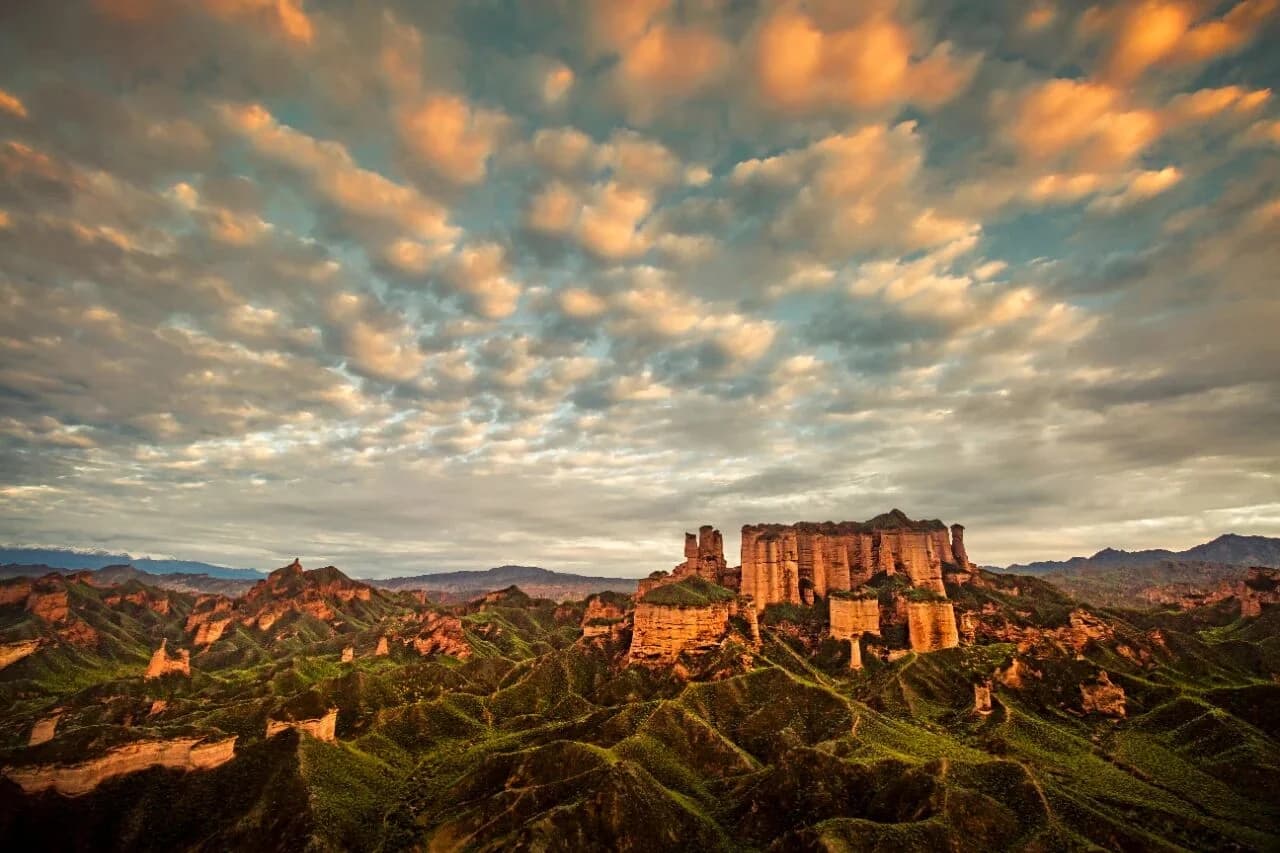
- Rainbow Danxia is better in favorable light. If weather is poor, urban temples/museums are often a smarter use of time.
Evening
- Zhangye is a carbohydrate paradise-treat dinner as part of the experience.
Day 7: Zhangye -> Jiayuguan - Boundary feeling becomes real (HSR transfer day)
HSR connection checklist (must-do today): confirm ticket and seat the night before; arrive at station 20-30 minutes early; after arrival go station -> hotel (drop luggage) before starting afternoon activities.
Morning
- Going directly to Jiayuguan Fortress after arrival is usually most efficient. The key moment is standing on the walls facing the Qilian range.
Afternoon
- Choose either First Beacon Tower or Overhanging Great Wall based on stamina; do not force full-package completion.
Evening
- Rest. Tomorrow shifts toward hotter Turpan conditions.
Day 8: Jiayuguan -> Turpan - From Gobi to oasis (HSR transfer day)
HSR connection checklist (must-do today): confirm ticket and seat the night before; arrive at station 20-30 minutes early; after arrival go station -> hotel (drop luggage) before starting afternoon activities.
Morning
- Enter the Turpan direction by train; prep sun protection and hydration in advance.
Afternoon
- Pick one core heritage site (e.g., Jiaohe Ruins or cave complex) and give it slow, focused time.
Evening
- In summer, avoid very late outdoor plans-heat is a fixed cost.
Day 9: Turpan -> Urumqi - Use Xinjiang's hub city wisely (HSR transfer day)
HSR connection checklist (must-do today): confirm ticket and seat the night before; arrive at station 20-30 minutes early; after arrival go station -> hotel (drop luggage) before starting afternoon activities.
Morning
- Check in first after reaching Urumqi; using it as a resupply hub is the smart move.
Afternoon
- Choose either museum or Grand Bazaar. Goal is context, not check-in quantity.
Evening
- Explore food around more local-life areas (such as Linguan Alley / Xiaoximen, based on current conditions).
Day 10: Urumqi - Recover and plan the next leg
Morning / Afternoon
- If continuing to Northern or Southern Xinjiang, use this day for booking transit, reorganizing luggage, and restoring energy.
High-Speed Rail Connections (By Day)
- Day 3 (Xi'an -> Lanzhou): pre-noon departure is ideal so you can still do Yellow River and museum time in the afternoon.
- Day 5-7 (Lanzhou -> Wuwei -> Zhangye -> Jiayuguan): for continuous movement, standardize to "transfer in morning, explore in afternoon" and avoid frequent late-night arrivals.
- Day 8 (Jiayuguan -> Turpan): in summer, try to avoid arrival during peak midday heat.
- Day 9 (Turpan -> Urumqi): resupply first in Urumqi, then decide if extra attractions make sense.
- Ticketing strategy: segmented long-route booking gives flexibility-lock key legs first, add side segments later.
Getting There and Getting Around
- Long-route rail prep: booking and station process at China's High-Speed Rail (especially important when mixing long-distance conventional trains and HSR).
- Payments: mobile payment is common in Northwest cities too; see How to Pay in China.
- Language support: screenshots of destination names in Chinese are extremely useful on this route.
Practical Information
| Item | Recommendation |
|---|---|
| Suggested length | 10 days (deeper version: add 3-7 days for Northern/Southern Xinjiang) |
| Difficulty | Medium-High (large span, long transport segments) |
| Budget | Medium-High (long-distance transport + accommodation) |
| Season | Spring/autumn are more comfortable; Turpan is extremely hot in summer |
Book These in Advance
- Popular long-distance tickets: tighter in holidays and peak periods.
- Museum/popular-site reservations: some stops require advance booking or have capacity limits (depends on annual policy).
Tips and Tricks
- Do not overnight every single stop: choose key Hexi Corridor bases; too many hotel changes drain your energy.
- Set a buffer day every 3-4 days: cities like Lanzhou and Urumqi are ideal recovery nodes.
- Watch a documentary before departure: Hexi Corridor background knowledge dramatically improves what you see on the ground.
What to Cut If You're Short on Time
- Only 7-8 days: after Lanzhou, keep only Zhangye + Jiayuguan. Save Turpan/Urumqi for a dedicated Xinjiang trip.
Before You Go Checklist
- □ Payment and connectivity - How to Pay in China, Staying Connected in China
- □ Ticketing and schedule buffer - China's High-Speed Rail
- □ Sun protection + warm layer (large day-night temperature swings)
FAQ
Q1: Must I take one single train for the entire route?
No. This is a corridor route, not a single-train requirement. You can buy by segment and stop where you care most.
Q2: Is this too hardcore for a first China trip?
If you love history and landscapes, it is highly rewarding. If you prefer easy urban vacations, start with lower-variability routes like Beijing/Shanghai/Xi'an first.
The charm of this Silk Road rail line is not how many points you check off, but how geography and history stack layer by layer: from ancient capital to Yellow River, from corridor to fortress, from Gobi to oasis, and finally into Xinjiang's urban rhythm. Leave room for buffers and prioritize key museums/landmarks, and the journey becomes a true route lived-not just transit completed.
Related Internal Links(3-5)


