Last updated: May 2026. Verify before booking.
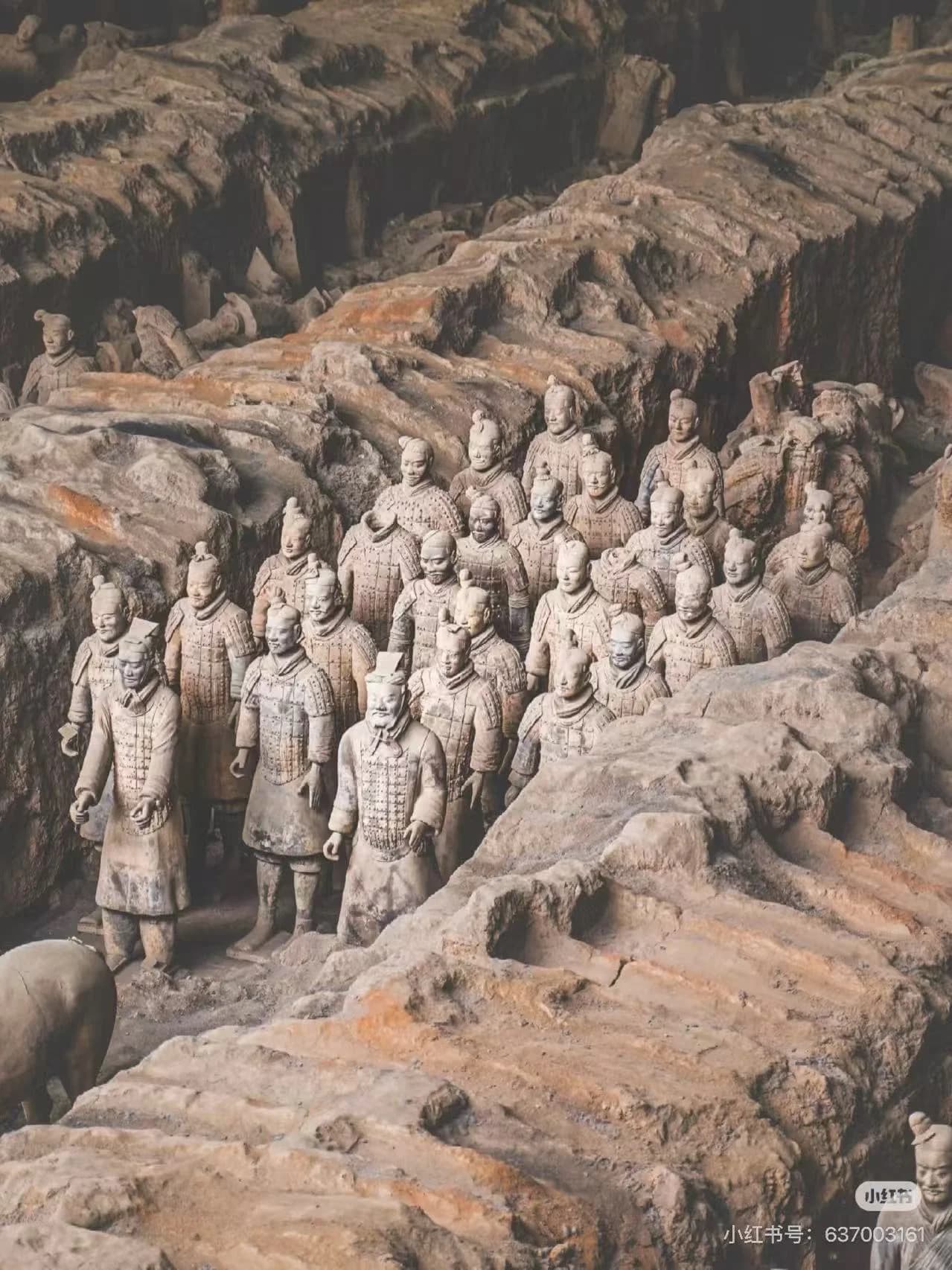
You stand at the edge of Pit 1 and look down. Thousands of clay faces look back — no two alike. Some have mustaches, some are clean-shaven; some wear armor, others robes. They have stood here for 2,200 years, guarding an emperor who believed he could conquer death. This isn't a museum exhibit behind glass. This is a buried battlefield frozen in time, and you're standing on its edge.
What Makes It Worth Your Time
Most visitors arrive with cameras and leave with photos, missing what actually matters. The warriors' value isn't in the "I've seen it" checkbox — it's in understanding what you're looking at: this is the physical manifestation of China's unification. Qin Shi Huang ended the Warring States period in 221 BC and created the first centralized empire. These terracotta figures were an extension of his power — not just preparation for the afterlife, but a warning to the living. Behind every unique face was a real person who lived two millennia ago. When you realize this, the clay sculptures stop being tourist attractions and become people who breathed, walked, and lived during the height of imperial power. That shift in perception is what the warriors give you, and no photograph can take it away.
What to Realistically Expect
First, the crowds: this place is packed regardless of season. In summer you'll jostle for position at the pit railing in 40-degree heat; in winter you'll queue in sub-zero wind. The route through the three pits is linear — you can't backtrack, so once you miss an angle, it's gone. Second, the distance: the site sits 40 kilometers east of Xi'an, and transportation alone takes 1.5–2 hours each way. If you just want photos for social media, this isn't worth it. But if you're willing to book tickets ahead, hire a proper guide, and patiently wait for that moment when you can see the full formation through the crowd — you'll get an experience that changes how you understand Chinese history. Physical demands are moderate: you'll stand and walk for 2–3 hours at the pits. Few stairs, but uneven ground throughout.
Don't Miss
The bronze chariots in the museum In the same complex as the pits, archaeologists unearthed two bronze carriages — each assembled from thousands of parts, with gold and silver decorations less than a millimeter thick. Look at the charioteer's facial expression: he's smiling. This detail gets skipped in most tours, but it reveals the Qin artisans' pursuit of humanization.
The side view of Pit 1 Most visitors crowd the front railing. Walk to the pit's side — far fewer people, and you can see the depth of the formation, understanding the tactical layout of this "army." Best times: 9 AM when the gates open, or after 4 PM near closing.
The restoration workshop near the exit Through glass windows, you can watch archaeologists cleaning and piecing together fragments. This isn't a show — it's real work. A single pottery shard might take months to locate which figure it belongs to.
Practical Information
Admission is ¥120 (approximately $17 USD), with half-price tickets for students. Opening hours are 8:30 AM–6:00 PM during peak season (March 16–November 15) and 8:30 AM–5:30 PM during low season (November 16–March 15), with last entry 30 minutes before closing. The site is open year-round, though visitor limits may apply during Golden Week holidays. Plan for 3–4 hours including the museum. Advance booking is mandatory — reserve 3–7 days ahead during peak season through the official WeChat account "秦始皇帝陵博物院" or the website bmy.com.cn. Official guided tours cost ¥200–300 per group (1–10 people), available on-site with potential queues during busy periods. The nearest metro station is Huaqingchi on Line 9, Exit C; from there, transfer to Lintong bus 602 or a tourist shuttle for the 15-minute ride to the site entrance. What to buy nearby: Skip the replica shops at the exit with inflated prices; for authentic souvenirs, head back to Xi'an's Shuyuanmen Cultural Street for handcrafted terracotta warrior reproductions.
Getting There
From downtown Xi'an, take Metro Line 9 to Huaqingchi Station, Exit C, then transfer to Lintong bus 602 or a tourist shuttle — about 1.5 hours total, costing roughly ¥15. Taxis or DiDi run ¥100–120 and take about an hour to reach the site, though return trips may involve longer DiDi wait times due to lower vehicle density in the Lintong district. The most common mistake is trying to fit both the warriors and Huaqing Palace into one day — the schedule becomes rushed, and you'll skim both. Pick one, and see it properly.
Standing before the warriors changes how you understand Xi'an. This isn't just "the city with an old wall" — it was the center of an empire, and you've just stood at that empire's edge.
Related Guides:
- Xi'an City Guide — Complete city guide


