Last updated: May 2026. Restaurant hours and availability subject to change — verify before visiting.
What This Experience Is
You land in Shanghai. The jet lag hasn't hit yet, but your stomach is already complaining.
The hotel front desk says there's "authentic Shanghai cuisine" downstairs. You know xiaolongbao is famous. Beyond that, you're staring at a blank map.
This guide paces your first day in six meals—not the most expensive, not the most famous, but the ones that will teach you how this city eats.
One-sentence summary: Trade the price of a fancy dinner for a deep understanding of how Shanghai actually eats.
The Actual Experience
Breakfast: Shengjian Bao (8:00 AM)
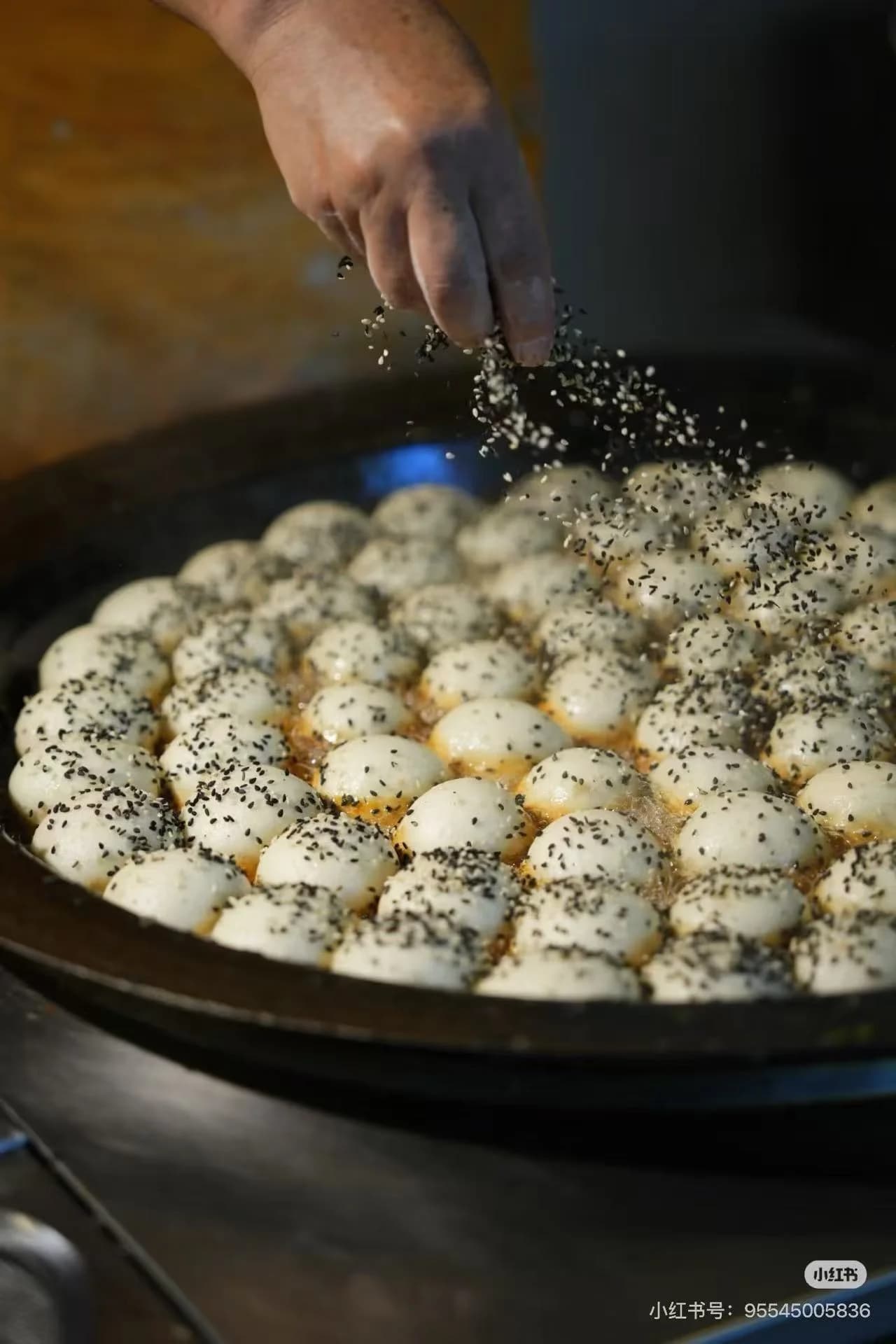
Why this first: Shengjian bao is Shanghai breakfast's anchor. Crispy golden bottom, fluffy top, juice-filled pork center—this texture combination exists here and almost nowhere else.
Where to go:
- Dong Tai Xiang (Shaanxi South Road) — Semi-leavened dough, thinner skin, the local choice
- Yang's Fry Dumpling (chain) — Tourist-friendly, consistent quality, multiple locations, good for first-timers
How to eat: Bite a small hole first to suck the soup. Then dip in vinegar. Warning: the soup is hotter than you expect.
What you'll experience: A 10-15 minute queue is normal. Weekends are worse. But when you bite through that crispy-soft-juicy layers, you'll understand why Shanghai people queue willingly.
Mid-Morning: Xiaolongbao (10:30 AM)
Why now: Xiaolongbao is Shanghai's calling card, but too heavy for first thing. 10:30 works as brunch.
Where to go:
- Jia Jia Tang Bao (Huanghe Road) — Locals queue here. Crab and pork is the signature.
- Nanxiang Steamed Bun Restaurant (City God Temple) — Touristy but historic. Worth one visit.
How to eat: Ginger + vinegar is standard. Don't swallow whole—the soup will burn your tongue.
What you'll experience: Jia Jia's queue runs 30+ minutes, but it's worth it. Watching the cooks wrap and steam behind glass, you'll understand xiaolongbao is craft, not just food.
Lunch: Scallion Oil Noodles (12:30 PM)
Why this: After two meat-heavy meals, you need something simple but flavorful. Scallion oil noodles are Shanghai noodles' soul.
Where to go:
- Lao Ban Zhai (Fuzhou Road) — Old shop, intense scallion fragrance
- Any local Benbang noodle shop — Look for elderly locals. If they're there, enter.
How to eat: Mix quickly while hot. The scallion oil should coat every strand. Add a fried pork chop if hungry.
The key insight: Shanghai food leans sweet. These noodles too. First-timers often pause—"why are noodles sweet?" But this is the Shanghai baseline. Give your palate time to adjust.
Afternoon: Coffee Break (3:00 PM)
Why this: Shanghai has China's highest coffee shop density. Afternoon coffee is local lifestyle, and a digestive break after morning's richness.
Where to go:
- Any independent café in the French Concession — Yongkang Road, Anfu Road, Wukang Road all have options
- % Arabica (Wukang Road) — Chain but well-positioned, second-floor terrace
What to order: Latte or Americano. Skip the signature drinks. Taste the basics first.
What you'll notice: Watch the room—young people on laptops, elderly reading newspapers, tourists photographing. This is Shanghai afternoon standard issue. You'll realize coffee here isn't "Western import" anymore. The city absorbed it and made it local.
Dinner: Benbang Cuisine (6:30 PM)
Why this: Evening calls for something formal. Time to understand Shanghai cooking's core: thick sauce, deep color, intense flavor.
Where to go:
- Lao Ji Shi (Tianping Road) — Red braised pork is the signature. Book ahead.
- Yuan Yuan (Huaihai Road) — Good environment, consistent dishes
- Guang Ming Cun (Huaihai Road) — Old name, queuing is standard
What to order:
- Red braised pork (essential—this sets your sweetness baseline)
- Eel strips in oil (if you're adventurous)
- Wine-saturated clover (cuts the richness)
The key insight: Shanghai sweetness isn't sugar—it's soy sauce + sugar caramelized to amplify umami. First time may feel unfamiliar. Third time, you'll crave it. This is the threshold—cross it, and you're in.
Late Night: Pork Chop with Rice Cakes (9:00 PM)
Why this: If you still have room, late night is Shanghai's other face. Pork chop with rice cakes is local midnight comfort food.
Where to go:
- Xian De Lai (Yunnan Road) — Old name, crispy outside, tender inside
- Any night market stall — Follow the locals
How to eat: Dip the pork in spicy soy sauce. Eat the rice cakes alongside.
What you'll experience: Late-night Shanghai is completely different from daytime. You'll discover this city runs 24 hours, and late-night food is how you read that rhythm.
Is It Worth It?
Direct answer: Yes, but have patience and an open mind.
Worth it when:
- You want to eat "real Shanghai" not "tourist menu"
- You're willing to queue for good food
- You're interested in exploring local neighborhoods—these shops are usually hidden in residential areas
- You're on a budget—street food costs ¥50-100 per person for a great meal
Maybe not worth it when:
- You have high hygiene standards—street shops are less polished than mall restaurants
- You can't handle sweet flavors at all—Shanghai cuisine's sweetness may need adjustment for foreign palates
- You're time-pressed and don't want to spend time queuing
- Weather is bad—queuing is hot in summer, soup burns in winter
Honest assessment: Shanghai street food isn't about "discovering secret spots." It's about the feeling of "eating what locals eat." The key is choosing the right places—"food streets" near tourist attractions are usually overpriced and mediocre. Walk into residential neighborhoods to find the good stuff.
Day One Summary
These six meals aren't Shanghai food's complete picture, but they're the entry points:
- Shengjian = breakfast culture + texture layers
- Xiaolongbao = craft + patience (the queue is part of it)
- Scallion noodles = simplicity with depth (sweetness introduction)
- Coffee = lifestyle (East-West fusion)
- Benbang cuisine = core flavors (understanding thick sauce)
- Late night = the city's other side (24-hour life)
Who It's For / Who It's Not For
Good for:
- Travelers willing to try new foods and experiences
- Budget backpackers who want to eat well without spending much
- People interested in local community culture
- Those who can accept queuing and don't need "fast dining"
Not good for:
- People with very high hygiene standards—street shop environments are basic
- Those who can't eat sweet food at all—Shanghai cuisine's sweetness needs adaptation
- Time-pressed tourists—queuing + fresh cooking can take 1+ hours per meal
- People with serious food allergies—communication is difficult, risk is higher
Special note: Summer is hot for eating soup dumplings, winter is cold for queuing. Spring and autumn are ideal.
Practical Information
Budget: ¥150-250 per person per day (excluding dinner drinks)
Payment: All recommended spots accept Alipay and WeChat Pay
Booking notes:
- Lao Ji Shi: 1-2 days ahead
- Jia Jia Tang Bao: No reservations, queue only
Avoid:
- City God Temple snack street: Tourist prices, mediocre taste
- Nanjing Road "Old Shanghai" restaurants: Not authentic
If You Only Have Half a Day
Compressed version: Shengjian (breakfast) + Xiaolongbao (mid-morning) + Benbang cuisine (dinner)
Skip: Coffee (hotel coffee works), late night (try tomorrow)
Shanghai food's threshold is sweetness. First time you might frown. Give it three chances.
When you start understanding why red braised pork should be sweet, why scallion oil should be fragrant—you're starting to understand Shanghai. This isn't compromise. It's a choice. Like this city, folding East and West, new and old, fast and slow together, then finding its own balance.
Tomorrow you can eat French, Japanese, any international cuisine. Shanghai has some of the world's best Japanese food. But today, eat Shanghai first.
Related Guides:
- Shanghai City Guide — Where to stay and what to see
- French Concession Walk — Where to find those afternoon cafés
- How to Pay in China — Setting up payment before you arrive


