Last updated: May 2026. Trade show dates and market conditions change annually — verify before booking flights.
China sourcing is not a single market. It's a set of channels layered by order size, product type, and how much customization you need. Most first-time buyers arrive having conflated them. The result is usually a week spent in the wrong place seeing the wrong suppliers, or a flight booked around a trade show that doesn't run in the season they're visiting.
The Basic Structure
Three main channels cover most use cases:
Yiwu International Trade Market — for off-the-shelf products at small to medium quantities. Stalls are organized by product category across five districts. Minimum order quantities range from tens to a few hundred units per SKU. This is the right starting point for e-commerce sellers testing products, gift buyers, and anyone who doesn't yet have a factory relationship.
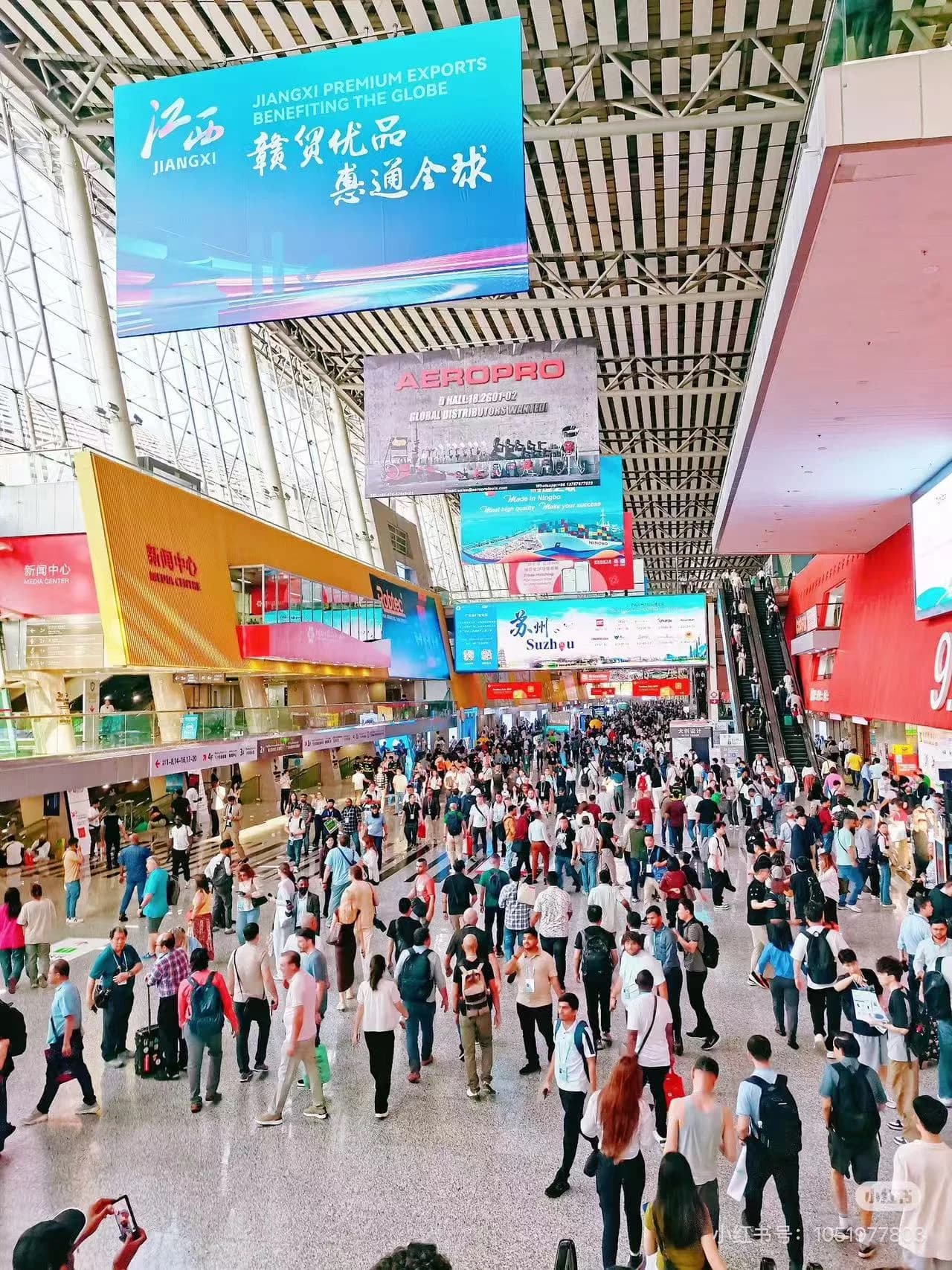
Canton Fair (China Import and Export Fair) — for factory-direct sourcing, larger volumes, and custom manufacturing. Runs twice annually: spring (approximately April) and autumn (approximately October). Exact dates are announced on the official website each year — confirm before booking. The exhibitors are predominantly factories, not traders. If you arrive without a shortlist of suppliers and a clear product brief, you'll spend most of your time getting lost.
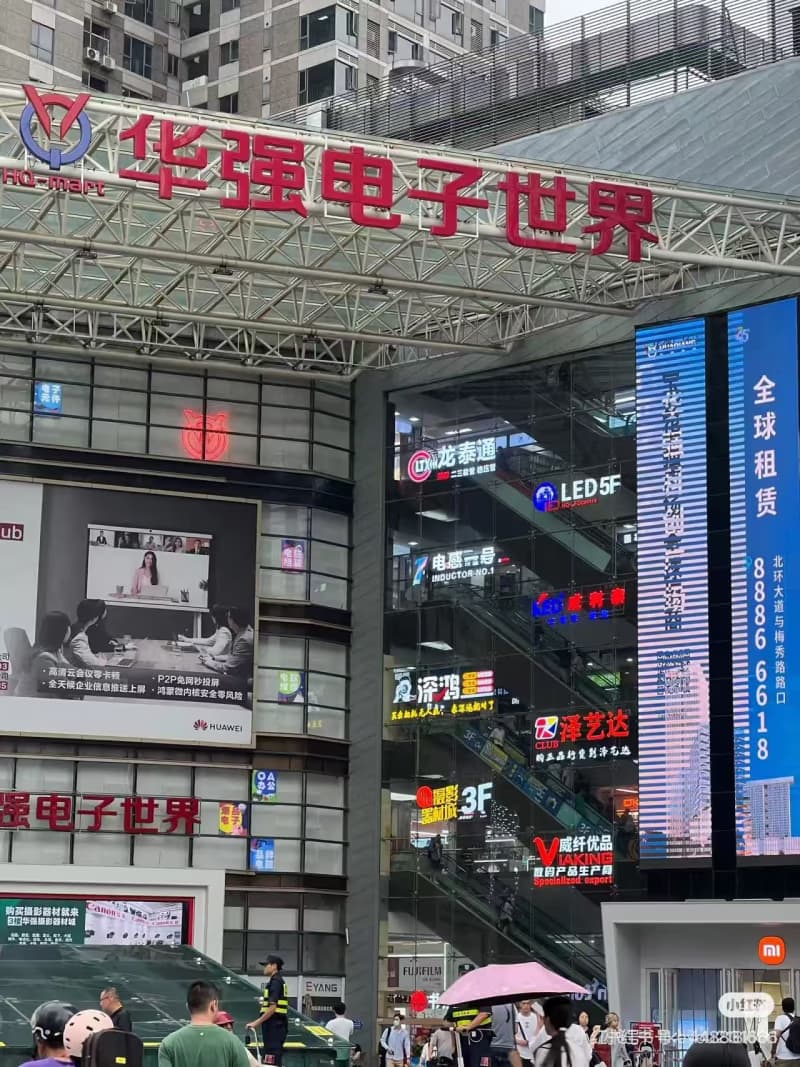
Shenzhen / Huaqiangbei (华强北) — for electronics, components, and hardware. The densest concentration of consumer electronics and components sourcing in the country. This is a wholesale and semi-finished goods environment, not a retail destination.
First-timers often try to cover all three in one trip. It doesn't work. Pick one channel, go deep, then plan the next trip around a second channel once you understand how the first one operates.
What Actually Happens On the Ground
At Yiwu: A single district of the International Trade Market takes most of a day to walk properly. English ability among stall holders varies — functional for basic negotiation, limited for technical specifications. Bring a bilingual spec sheet for anything beyond simple product categories. Prices quoted are typically tax-inclusive but exclude international shipping and packaging costs. Payment: WeChat Pay and Alipay are standard; foreign visitors can use the international versions of both apps with a linked card. Bank transfer is used for larger orders, negotiated in advance.
At Canton Fair: Pre-register on the official website using your passport. Tourist visas (L visa) allow entry for trade fair visits; if you're conducting formal business activities or signing contracts, understand the distinction between tourist and business (M) visa requirements before arrival. Hotel rates in Guangzhou double or triple during fair periods — book three months ahead. Arrive with supplier names, booth numbers, and a meeting schedule. The fair is too large to browse productively without preparation.
Five Things That Catch First-Time Buyers Off Guard
The quoted price is not the landed cost. Yiwu stall prices and factory quotes typically exclude international freight, customs duties in your home country, and sometimes packaging. Add 30–50% to the quoted unit price as a working estimate for total landed cost when budgeting.
Sample fees are normal. Requesting free samples usually results in either refusal or quality that doesn't reflect production. Paying for samples — then placing a small trial order before scaling — is the standard sequence. Factor sample costs into your initial budget.
"Factory direct" doesn't always mean factory. Some Canton Fair exhibitors are trading companies, not manufacturers. Asking for the factory address and requesting a factory visit are standard ways to verify. It's not an unusual request; legitimate manufacturers handle it regularly.
Don't place large first orders. Trade fair environments create pressure to commit on the spot. The sample-to-small-batch-to-scale-up sequence takes longer but avoids the more expensive mistakes.
Freight is a separate conversation. Once goods are purchased, getting them from a Chinese factory or market to your home country is its own logistical exercise with its own costs and timelines. Build this into your planning before you arrive — understanding approximate freight costs by weight and destination changes which products are viable to import.
Realistic Expectations for a First Trip
A productive first sourcing trip rarely results in a confirmed large order. The realistic outcome is a shortlist of two to five suppliers you'd consider working with, physical samples ordered and paid for, and a clearer picture of actual landed costs. That's a successful trip. The order comes after samples clear quality checks and a small trial batch confirms production consistency. Buyers who treat the first visit as reconnaissance rather than procurement tend to end up with better suppliers and fewer costly surprises.
Before You Go
Three things that need to be sorted before departure:
Visa: A tourist visa covers Canton Fair visits and market trips. For extended commercial activity, review business visa requirements — China Visa Guide
Payment: Alipay International lets you pay at Yiwu stalls and most market vendors using a linked foreign card. Set it up before you leave — Alipay Setup Guide
Internet access: Google, WhatsApp, and most Western apps don't function on mainland China networks. Install a connection service before departure — Internet Access in China