Last updated: May 2026. Prices and hours subject to change — verify before visiting.
Nanjing doesn't remind you it was once the capital — not the way Beijing does. It served as the seat of six dynasties and the Republic of China, yet the streets feel unhurried. Plane trees line boulevards that were once Republican-era power corridors, now home to coffee shops. The Ming City Wall doubles as a morning jogging path. And duck — duck is the one thing this city takes completely seriously.
At a Glance
| Best time to visit | March–May, September–November (summer is brutal — Nanjing is one of China's "three furnaces") |
| Recommended stay | 2–3 days |
| Budget per day | ¥300–600 (mid-range) |
| Getting there | Nanjing Lukou Airport (NKG); Nanjing South Station (high-speed rail — 1 hr from Shanghai, 3.5 hrs from Beijing) |
| Known for | Six-dynasty capital, Ming City Wall, duck cuisine |
| Special requirements | None |
Why Nanjing Belongs on Your China Itinerary
If your trip covers only Beijing and Shanghai, Nanjing is the strongest third stop — one hour from Shanghai by bullet train, almost zero extra travel cost.
What sets Nanjing apart is how many eras pile up in one place: Six Dynasties, Ming, Taiping Rebellion, Republic of China — four distinct chapters stacked onto the same streets. You walk on 600-year-old bricks atop the Ming City Wall, turn around to see the Republican-era Presidential Palace, and the modern skyline fills the background. Beijing is too grand for that kind of compression. Shanghai is too young to have experienced it. Nanjing sits in the right spot.
And then there's the duck. Over 100 million ducks consumed per year in this city alone — the food scene justifies the trip on its own.
Ways to Experience Nanjing
Purple Mountain Culture Trail
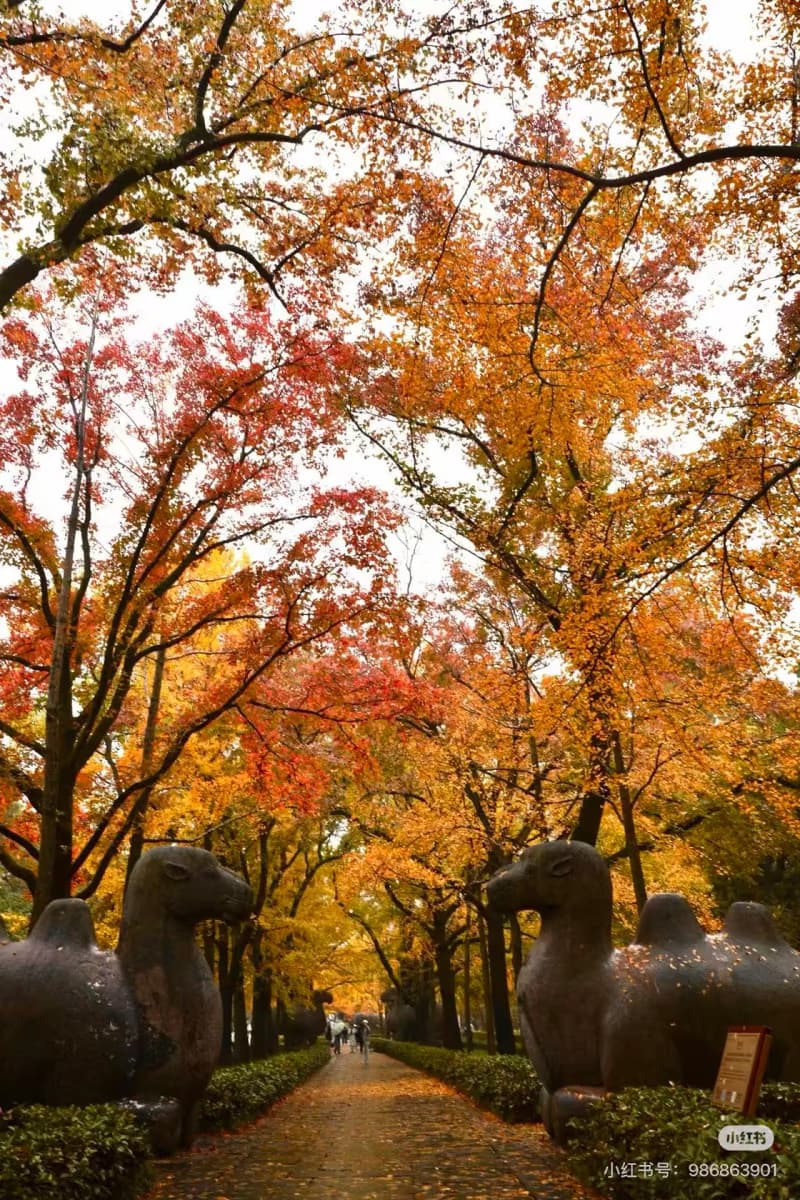
Purple Mountain is not one attraction — it's a historical corridor from Ming Xiaoling Mausoleum to Sun Yat-sen Mausoleum. Walking the tree-lined paths takes you through 600 years in a single day. In autumn, the Sacred Way is flanked by golden ginkgo trees — Nanjing's most photographed scene.
Qinhuai River Night Cruise
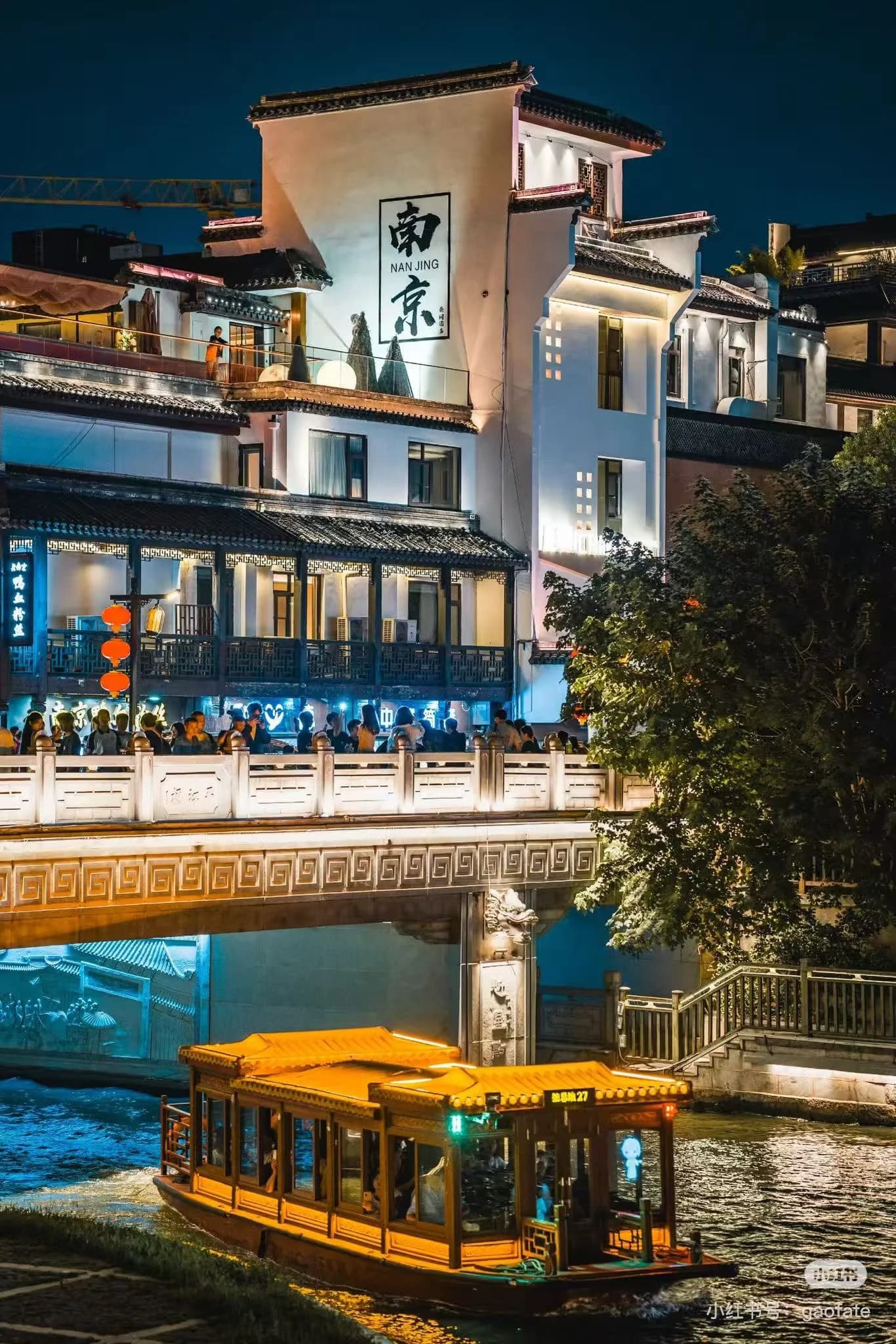
The Qinhuai River is Nanjing's cultural origin point. The Confucius Temple area lights up at night, and a boat ride along the river passes restored Ming and Qing architecture on both banks. Commercial, yes — but worth it as a one-time experience. Focus on the night views and riverside snacks; don't expect a deep cultural moment.
Nanjing Duck Trail
This city eats over 100 million ducks a year. Duck is not a menu item here — it's a way of life. Start with duck blood and vermicelli soup for breakfast, move to salted duck at lunch, finish with Nanjing roast duck at dinner. Three meals, three styles, zero repetition. Lao Men Dong and the Confucius Temple area are the best starting points.
Top Attractions in Nanjing
Sun Yat-sen Mausoleum
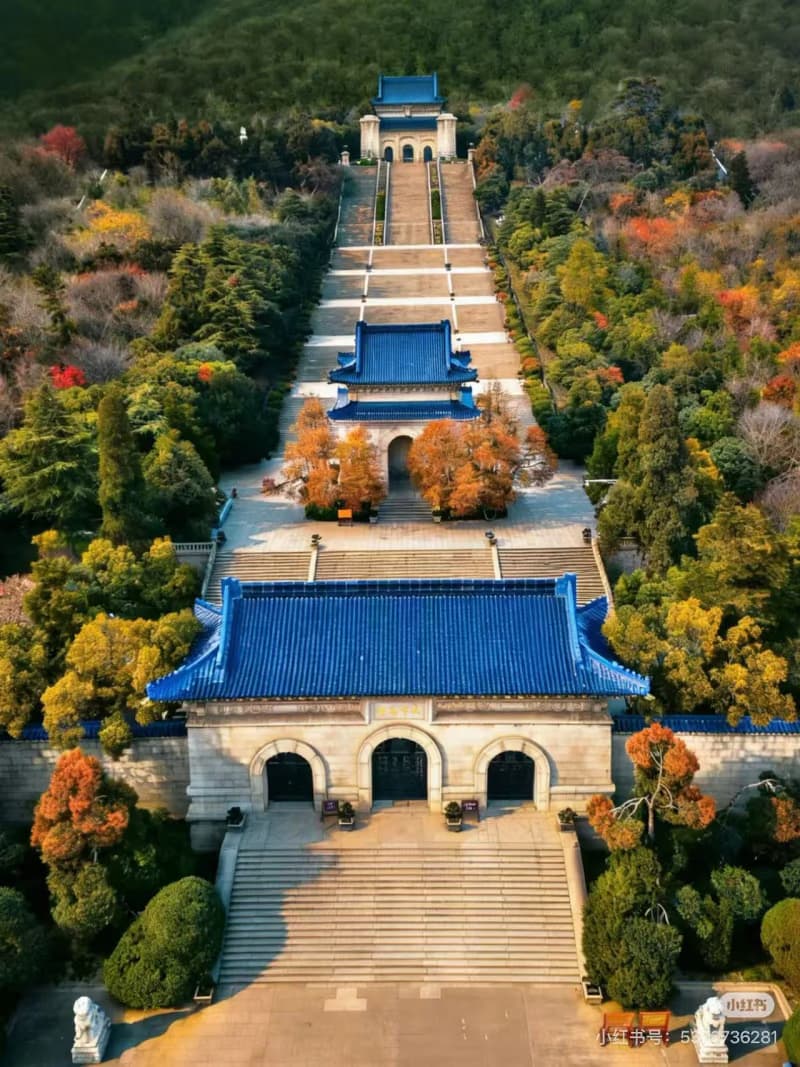
The mausoleum of the Republic's founder. 392 steps lead to the memorial hall at the summit — turn around and the entire city spreads below. Free entry but advance reservation required via WeChat mini-program. Arrive by 8:30 AM to beat the crowds.
Tip: Comfortable shoes are essential — the stairs add up.
Ming City Wall
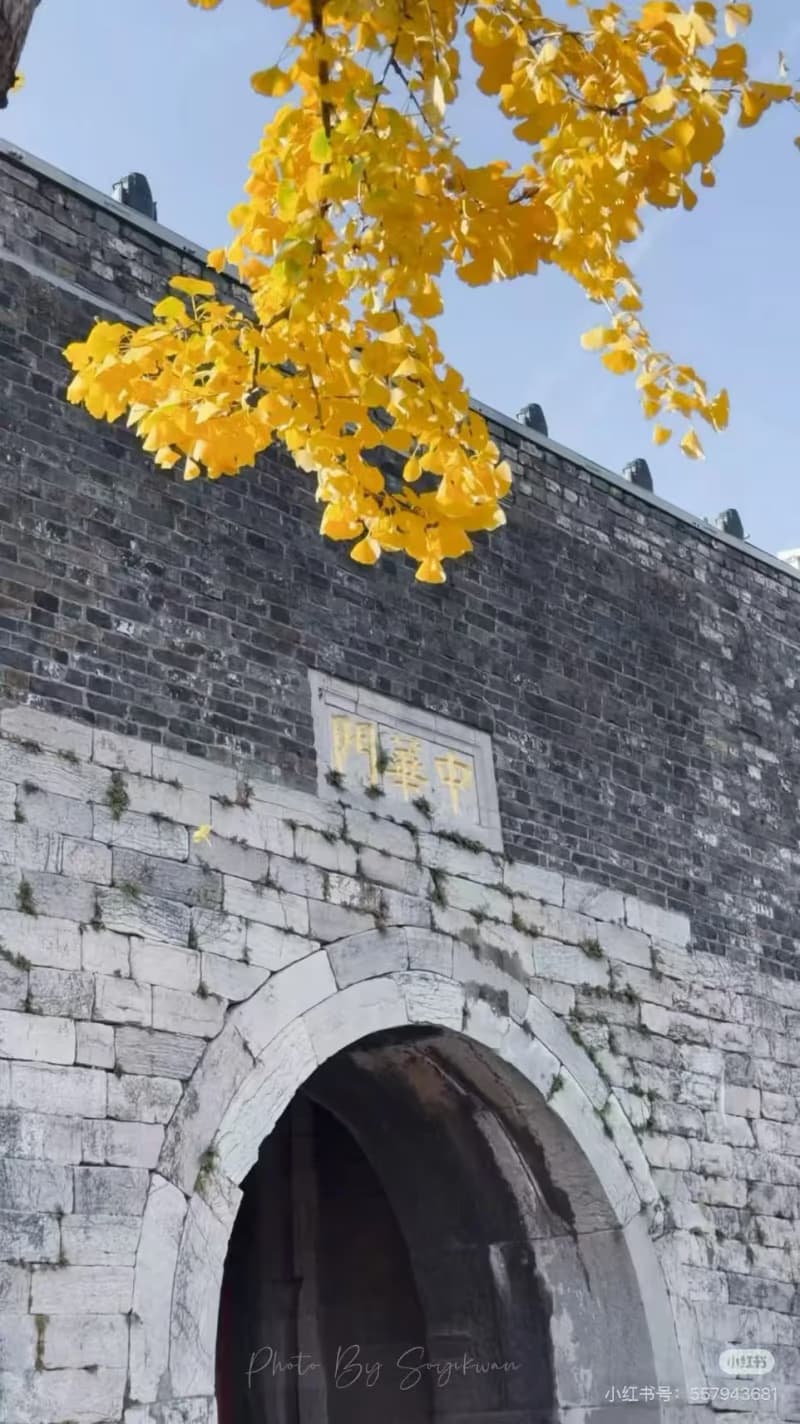
The world's longest surviving city wall — originally 35 km, with about 25 km still standing and several walkable sections. The Zhonghua Gate section is best preserved. You can cycle on top of the wall. Tickets ¥30–50 per section.
Worth the climb: Zhonghua Gate is China's largest surviving city gate complex.
Ming Xiaoling Mausoleum
The tomb of Zhu Yuanzhang, founder of the Ming Dynasty. A UNESCO World Heritage Site. The Sacred Way lined with stone animals is Nanjing's signature autumn image. Ticket ¥70.
Tip: Same Purple Mountain area as Sun Yat-sen Mausoleum — plan both for the same day.
Nanjing Massacre Memorial Hall
Free but reservation required. This is not a "sight" — it is history that needs to be understood. Allow 2 hours; emotional preparation matters. Closed on Mondays.
What to Eat in Nanjing
The keyword: duck. This city has taken duck further than anywhere else in China.
Salted Duck
Nanjing's signature dish. Duck marinated with salt and Sichuan peppercorn, then poached — white skin, tender meat, not greasy. The autumn version, called osmanthus duck, carries a subtle floral note from the season.
Where to eat: Heritage shops in the old town districts; chain and street vendors throughout the city.
Duck Blood and Vermicelli Soup
Duck blood, glass noodles, duck intestine, and liver in a savory duck-bone broth — everyday breakfast in Nanjing. ¥15–25 per bowl.
Where to eat: Chain shops across the city; almost every neighborhood has one.
Beef Potstickers
Not duck, but equally essential. Golden-crispy bottom, juicy beef filling — a Hui Muslim specialty that became a Nanjing staple.
Where to eat: Qijiawan area for the original Hui Muslim version.
Where to Stay in Nanjing
[City Center] Xinjiekou
Nanjing's commercial core. Metro Lines 1 and 2 intersect here — convenient to every major sight. Best selection of shops and restaurants.
Best for: First-time visitors, convenience, business travel. Note: Crowded during holidays.
[Riverside Culture] Confucius Temple / Lao Men Dong
On the Qinhuai River. Night views, concentrated street food, walking distance to multiple sights. Tourist-heavy atmosphere.
Best for: Night scene, food crawls, short stays. Note: Noisy at night — avoid if you need quiet.
[Quiet Academic] Gulou / Nanjing University
University district. Plane tree-lined streets, coffee shops, bookstores, Republican-era architecture clusters. Quiet but well-connected by metro.
Best for: Calm neighborhoods, longer stays, local atmosphere. Note: Further from the Qinhuai River area — metro accessible.
Getting to and Around Nanjing
Getting to Nanjing
By Air: Nanjing Lukou Airport (NKG). Metro Line S1 to Nanjing South Station (about 40 minutes). Mostly domestic routes, limited international.
By Train (recommended): Nanjing South Station is a Yangtze River Delta high-speed rail hub. Shanghai → 1 hour. Beijing → 3.5 hours. Hangzhou → 1.5 hours. If you're in Shanghai, Nanjing works as a 1–2 day side trip.
China's High-Speed Rail Guide — Booking tips and what to expect.
Getting Around Nanjing
Metro: 13+ lines (including suburban S-lines) covering all major sights. Alipay/WeChat QR code entry. ¥2–7 per trip.
Taxi/DiDi: Starting fare ¥11. Most city rides ¥20–40.
Bus: Wide coverage, ¥2 per ride — but signage is mostly in Chinese; metro is more tourist-friendly.
How to Use DiDi in China — Ride-hailing setup guide.
Before You Go
→ How to Pay in China — Setting up mobile payment before arrival. → Staying Connected in China — SIM cards and internet access. → China Visa Guide — Visa requirements and entry options.
Nanjing-Specific Tips:
- Summer is brutal: July–August temperatures regularly exceed 35°C. Nanjing is one of China's "three furnaces" — plan accordingly or avoid those months.
- Sun Yat-sen Mausoleum requires reservation: Free entry but daily capacity limit. Book at least 1 day ahead via WeChat mini-program.
- Purple Mountain needs half a day to a full day: Ming Xiaoling Mausoleum + Sun Yat-sen Mausoleum + Linggu Temple are in the same area — do them together.
- Autumn is peak beauty: October–November brings golden ginkgo on the Sacred Way and red maple at Qixia Temple.
- Stick to heritage duck shops: Century-old brands deliver consistent quality.
A city that served as capital for six dynasties, then as capital of the Republic, and then quietly stepped back to "second city in the Yangtze Delta" — that tells you something about Nanjing's temperament.
It doesn't compete. The city wall charges modest admission, Sun Yat-sen Mausoleum is free, and a plate of the city's best salted duck costs around fifteen yuan. The time and money you spend here may deliver the highest return of any tourist city in China.
One hour from Shanghai by bullet train. Three meals of duck. A walk along the wall. An afternoon under the plane trees on Purple Mountain. That's what Nanjing offers — not too much, not too little, just right.
Related Guides:
- China's High-Speed Rail Guide — How to reach Nanjing by bullet train
- How to Pay in China — Mobile payment setup
- Shanghai City Guide — Combine with Nanjing for a Yangtze Delta trip