Last updated: May 2026. Verify before visiting.
The Qinhuai River was where imperial examination candidates gathered, scholars wrote poetry, and courtesans entertained officials. Today, the same riverbanks host LED-lit buildings, souvenir shops, and tourists eating duck blood soup from paper bowls. The transition is jarring — and that tension between literary heritage and commercial reality is exactly what makes this area worth seeing once.
What Makes it Worth It
Nanjing's cultural origin point The Confucius Temple complex dates to 1034 AD. For centuries, this was the intellectual heart of southern China — home to the Jiangnan Imperial Examination Hall, where scholars competed for government positions. The examination system shaped Chinese society for over a thousand years, and this is where you can see the physical space where it happened.
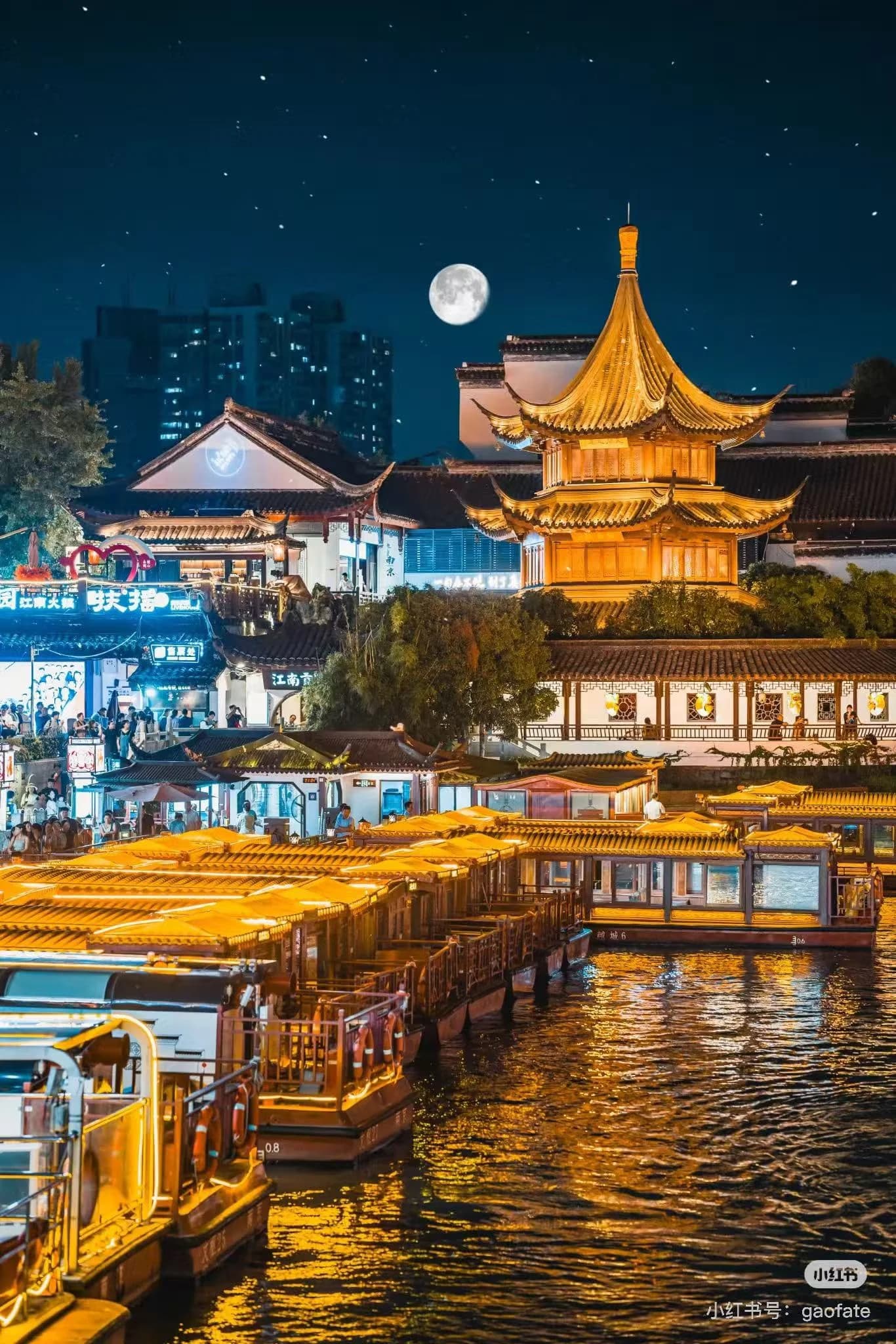
The night river scene Come after dark. The restored Ming and Qing buildings along the Qinhuai River light up, their reflections rippling on the water. A boat cruise (about 50 minutes, ¥80 per person at night) passes through the illuminated corridor. It is commercial, yes — but the visual effect at night is genuinely impressive, especially from the water.
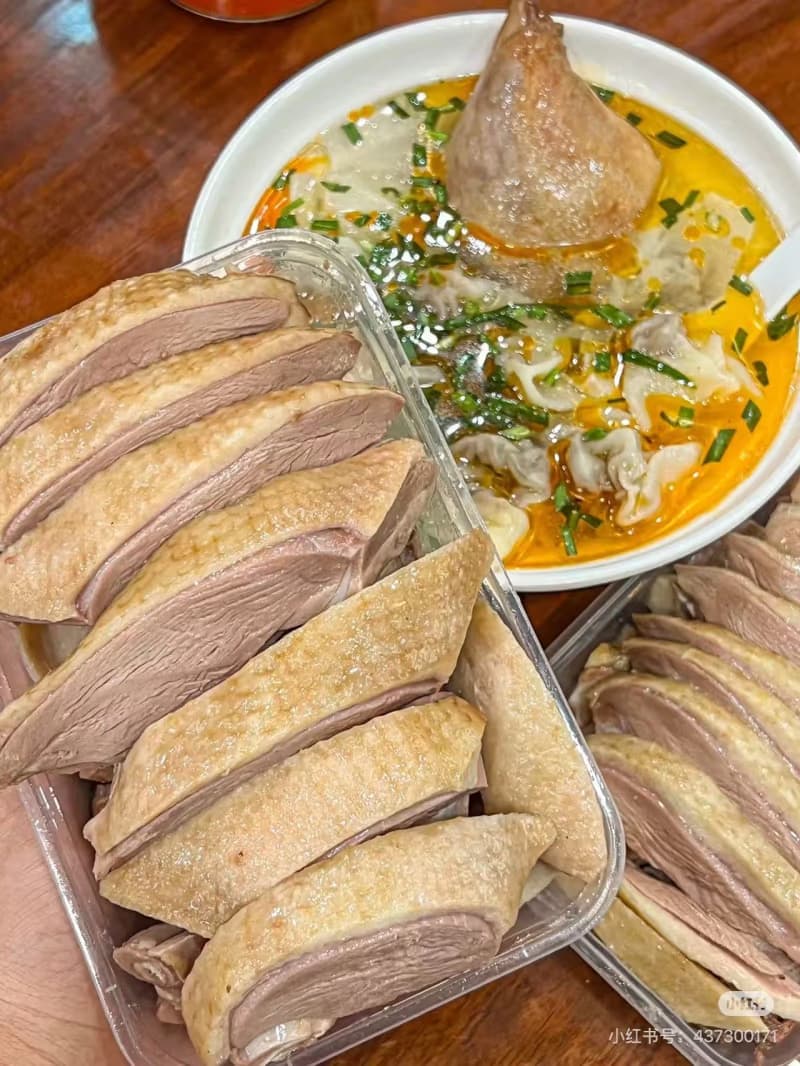
Street food density The Confucius Temple area and adjacent Lao Men Dong pack more food vendors per square meter than almost anywhere in Nanjing. Duck blood and vermicelli soup, salted duck, osmanthus desserts, beef potstickers — all within walking distance.
What to Expect
Crowds This is Nanjing's single most visited area. Evenings and weekends are packed. National holidays are shoulder-to-shoulder. Weekday afternoons are the calmest window, but "calm" is relative here.
Commercial atmosphere The area has been heavily restored and commercialized. If you expect a quiet cultural experience, you will be disappointed. Go with the expectation of visual spectacle, street food, and people-watching — and it delivers.
Two distinct experiences: day vs. night Daytime is for the temple, the examination museum, and Lao Men Dong's alleys. Nighttime is for the river cruise and the lit-up facades. If you can only come once, choose the evening.
Time needed Casual walk through the area + street food: 1.5–2 hours. Add the river cruise: 2.5–3 hours. Add Dacheng Hall and Imperial Examination Museum: half a day.
Don't Miss
Jiangnan Imperial Examination Museum — The largest examination hall complex in China, with 20,000 individual cells where candidates spent days writing essays. The museum (¥20) reconstructs the experience — cramped, intense, and life-changing. It shows you what pressure really meant.
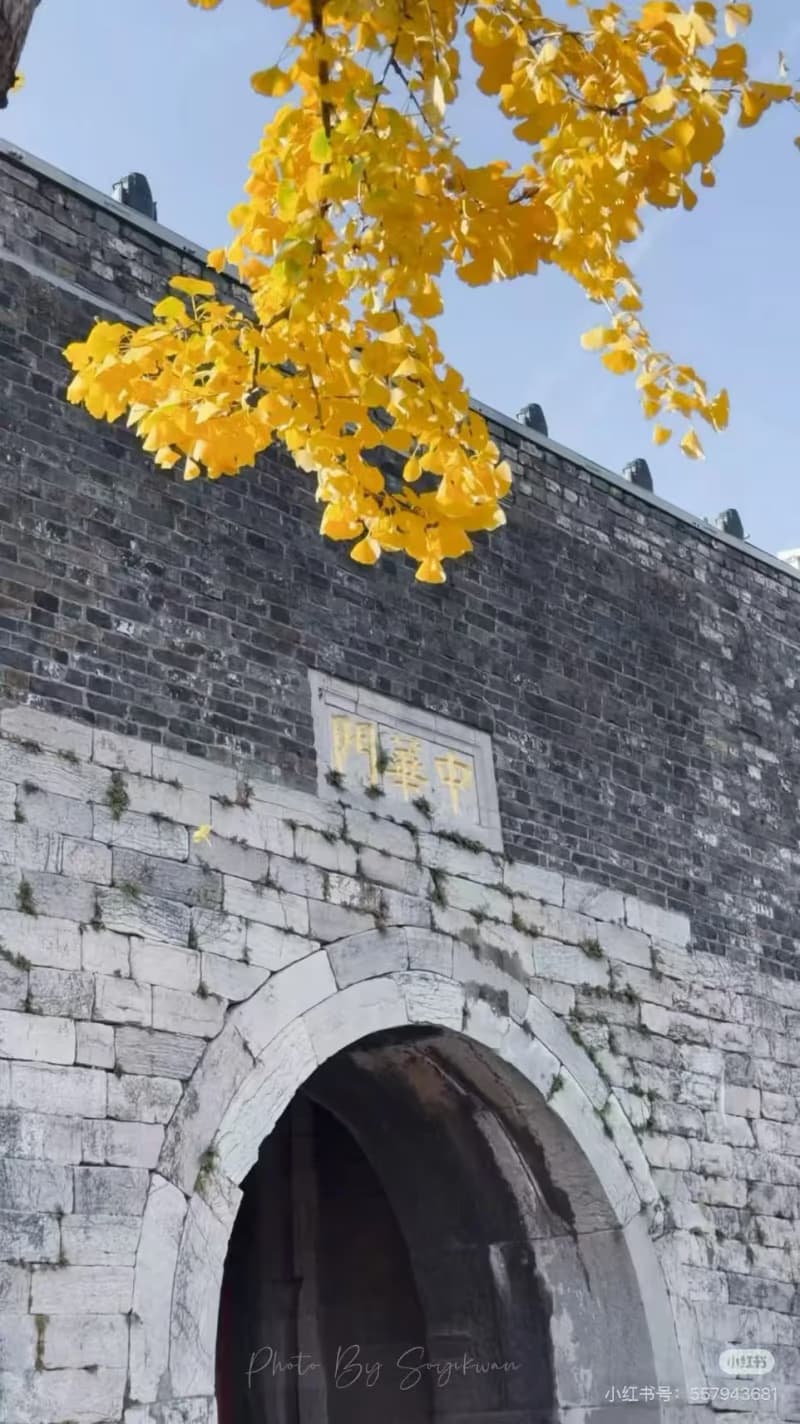
Lao Men Dong — A restored historic neighborhood just east of Zhonghua Gate. Less neon than the main temple strip, more craft shops and genuine alleys. This is where locals go when they want the Qinhuai vibe without crowds.
Night cruise from Panchi Wharf — Board in front of Dacheng Hall. The 50-minute loop passes under lit bridges and along restored riverfront buildings. Daytime cruises (¥60) are fine; the night version (¥80) is actually worth the extra money.
Practical Information
| Item | Details |
|---|---|
| Admission | Confucius Temple area: free entry. Dacheng Hall: ¥30. Imperial Examination Museum: ¥20 |
| Booking/Tickets | On-site purchase; river cruise tickets at Panchi Wharf or via Trip.com / Meituan |
| River cruise | Daytime ¥60, night ¥80; approximately 50 minutes; runs 18:00–22:00 (night) |
| Opening hours | Area is open 24 hours; museums and ticketed sites close at 17:00–21:00 depending on season |
| Suggested visit time | 1.5–2 hours (walk + food); 3+ hours (with cruise and museums) |
| What to bring | Cash for some street vendors (most accept mobile payment but not all) |
Getting There
Metro Line 3 to Fuzimiao Station, Exit 2. Walk 5 minutes into the main area. The most direct route.
From Zhonghua Gate If combining with the city wall, Zhonghua Gate is a 10-minute walk south of the Confucius Temple area. Easy to pair in one visit.
Taxi / DiDi From Xinjiekou: ¥10–15, about 8 minutes. Evening traffic near the area can double the time.
Nanjing City Guide — Full city overview including accommodation areas near Confucius Temple.
The Confucius Temple area is not where you come for quiet reflection on Chinese philosophy. It is where you come for Nanjing's most concentrated night scene, the best street food corridor, and a boat ride that looks better than it has any right to. Treat it as entertainment, not education, and it works.
Related Links:
- Nanjing City Guide — Full city overview
- Nanjing City Wall — Walkable 10 minutes south
- How to Pay in China — Mobile payment for street food vendors