Last updated: May 2026. Prices are indicative — confirm before visiting.
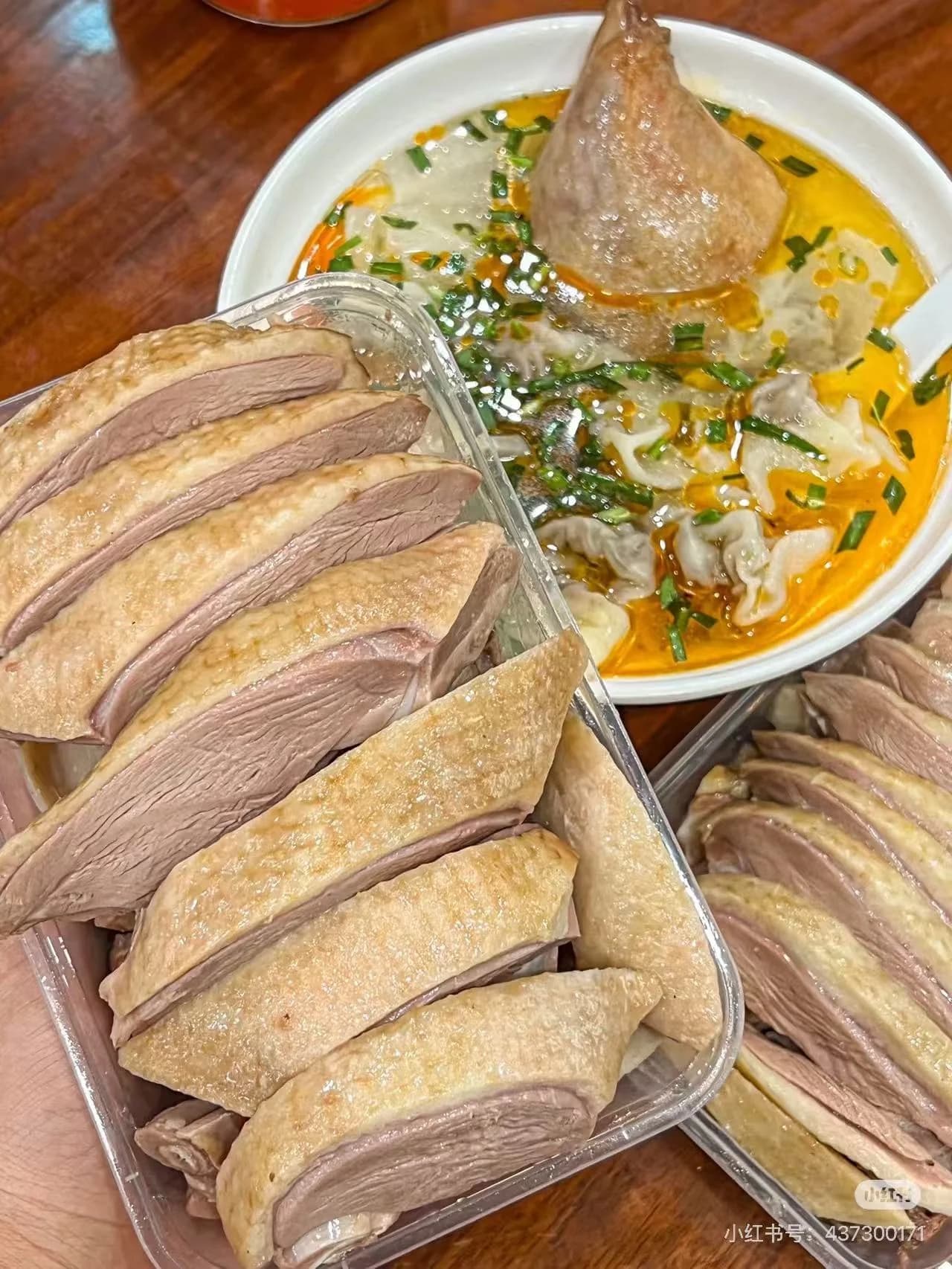
The moment the salted duck is cut open, the blade reveals white skin, pink flesh, and a thin frost of fat between them. The shop attendant chops it into pieces with clean, precise cuts — no bone fragments. ¥18 for a portion, handed over in a plastic bag. No plate, no plating. This is how people in Nanjing buy salted duck: by weight, carried home, eaten immediately. Not a restaurant ceremony — a grocery run. A city that consumes over 100 million ducks per year treats its signature ingredient exactly like this: without fanfare, but with absolute seriousness.
What This Actually Is
Nanjing duck is not a single dish — it is an entire culinary system. Salted duck, roast duck, duck blood and vermicelli soup, duck-fat sesame pancakes, braised duck offal — the city uses every part of the animal, from blood to oil, across dozens of preparations.
This is not a restaurant guide. This is an operating manual for eating duck the way Nanjing locals do: what to eat, where to find it, how to order, what it costs, and why Nanjing duck and Beijing roast duck are entirely different things.
Is It Worth It
Short answer: If you eat meat, this is the best half-day you can spend in Nanjing.
You will particularly enjoy this if you:
- Like understanding a city through its food — duck in Nanjing carries the same cultural weight as hotpot in Chengdu
- Want to eat three or four completely different duck dishes for under ¥100 total
- Care more about "what locals actually eat" than "what tourists are supposed to eat"
This may not be for you if you:
- Do not eat duck or organ meats (duck blood soup contains duck blood and intestine)
- Expect a fine-dining experience — Nanjing's best duck comes from street shops and heritage counters, not restaurants with tablecloths
The Real Experience
Stop 1: Morning Duck Blood and Vermicelli Soup
A Nanjing day starts with this bowl. Milky-white duck bone broth holds duck blood (the texture of soft tofu), glass noodles, duck intestine, and duck liver. Every shop has its own recipe, but the base flavor is the same: rich duck-bone umami, not greasy, not spicy, stomach-warming.
¥15–25 per bowl. At 7–8 AM, find any small shop with a line out front and sit down. No guide needed, no navigating to a specific "famous" shop — the one with the longest queue is the right one.
Add-on options: some shops offer extra duck gizzard and duck heart — order everything (usually ¥5 more).
Stop 2: Midday Salted Duck
The city's defining dish. The preparation is almost too simple to call cooking: duck marinated in salt and Sichuan peppercorn, poached in water, cooled, and sliced. No complex seasoning, no smoking or grilling — just the duck itself. The flavor: clean, tender, with a faint numbing note from the peppercorn.
Autumn (September–November) produces what locals call "osmanthus duck" — supposedly because ducks eat osmanthus-season feed during this period, giving the meat a subtle sweet fragrance. Whether the osmanthus connection is real is debated, but autumn salted duck is genuinely the best of the year.
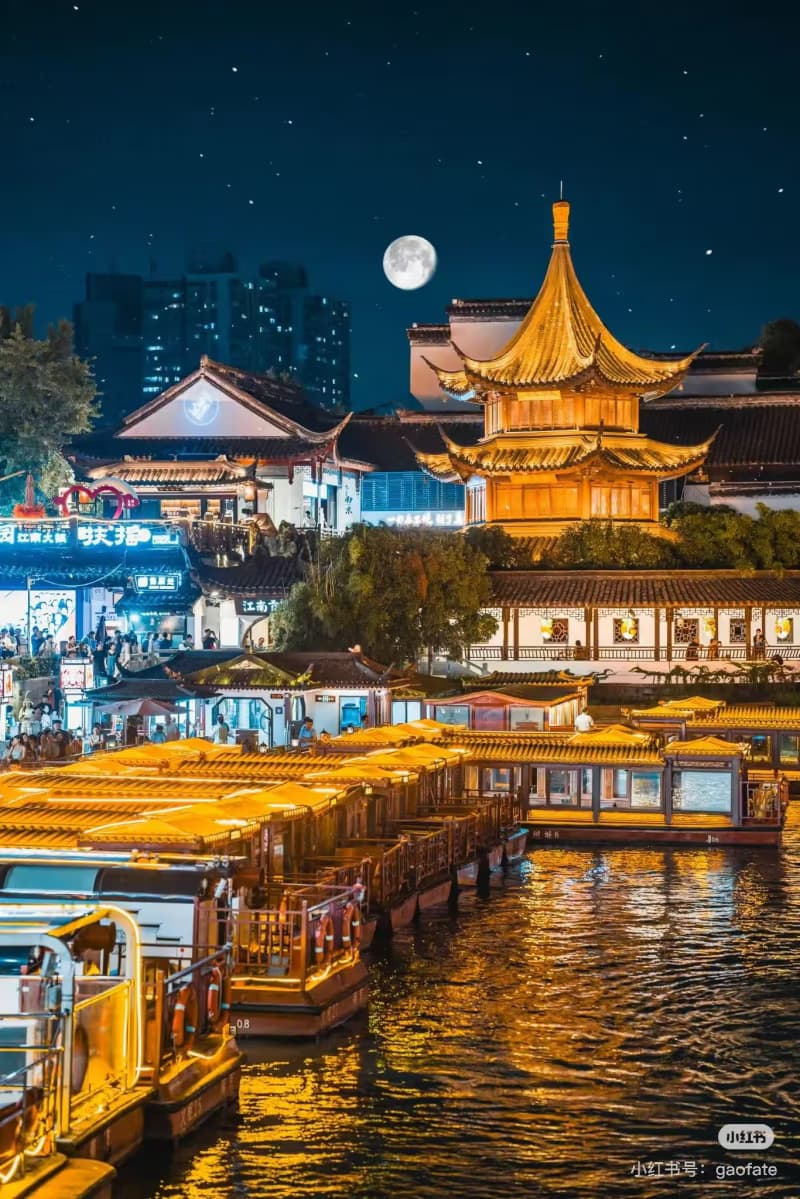
¥18–30 per portion (roughly half a duck), purchased at a heritage brand counter and carried away. Pair with a beer, find a bench along the Qinhuai River, and eat. This is the method locals recommend.
Stop 3: Afternoon Nanjing Roast Duck
Many visitors assume "roast duck = Beijing roast duck." Nanjing roast duck is a completely different dish. Beijing-style is open-flame roasted — crispy skin, drier meat, wrapped in pancakes with sweet bean sauce. Nanjing-style is oven-braised with water inside the cavity — the skin is not crispy, but the meat is extraordinarily moist and juicy, served with a dark braising sauce instead of sweet sauce.
The simplest distinction: Beijing roast duck is about the skin. Nanjing roast duck is about the meat.
¥25–40 per portion. Chopped into pieces and drizzled with braising sauce, eaten together. Multiple shops cluster around Lao Men Dong and the Confucius Temple area.
Stop 4: Evening Qinhuai Night Snacks
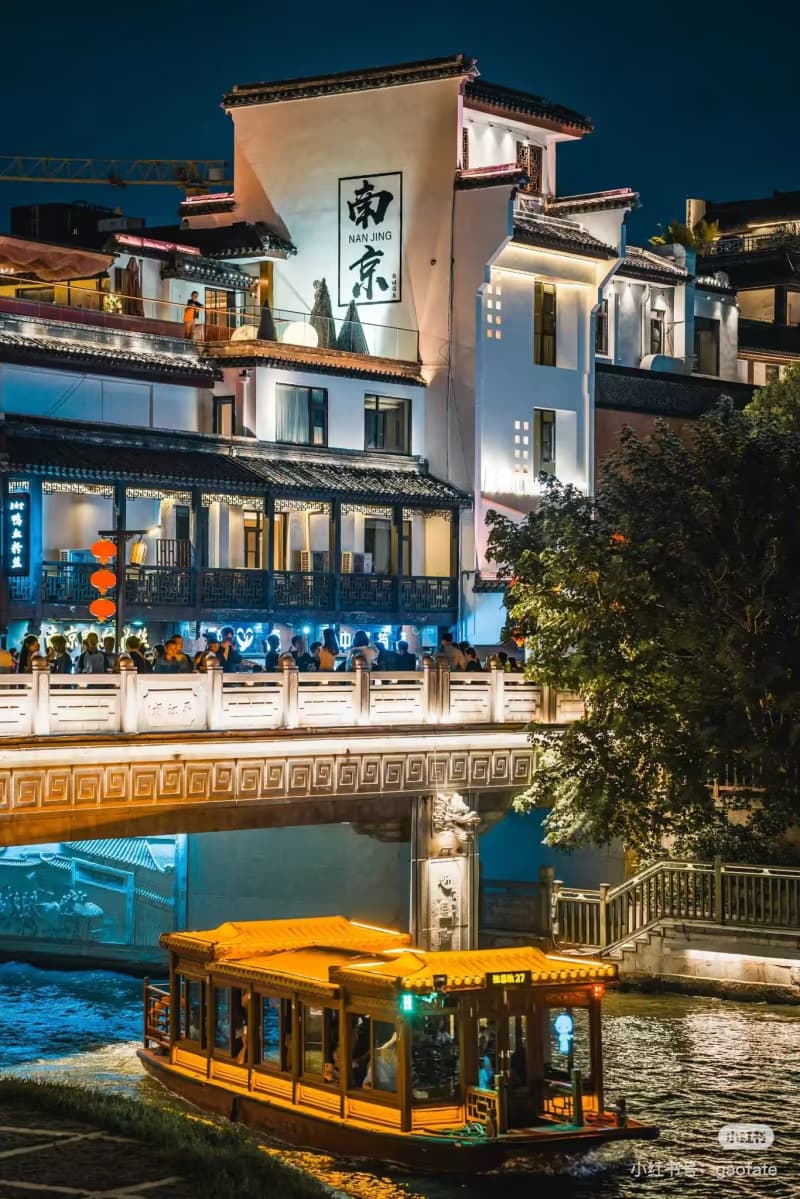
The strip from Confucius Temple to Lao Men Dong transforms into a walking street food market after dark. Beyond duck, what is worth eating:
- Beef potstickers (¥10–15): golden-crispy bottom, juicy beef filling — a Hui Muslim specialty that became a Nanjing staple
- Duck-fat sesame pancakes (¥3–5 each): baked with duck fat in the dough — flaky outside, soft inside, savory
- Sweet osmanthus taro (¥8–12): a dessert of taro chunks in osmanthus syrup — distinctly Nanjing
- Sweet-and-sour ribs (¥20–30): a Qinhuai cuisine signature — Nanjing leans sweet
Lao Men Dong is quieter than the main Confucius Temple strip, with more consistent food quality. Start at Lao Men Dong and eat your way toward Confucius Temple.
How to Do It
Suggested route: Duck blood soup (any neighborhood shop, breakfast) → Salted duck (heritage counter, lunch) → Nanjing roast duck (near Lao Men Dong, afternoon) → Qinhuai night snacks (Confucius Temple / Lao Men Dong, evening).
Payment:
- ✅ Alipay / WeChat Pay: accepted at most shops
- ⚠️ Cash: a few street vendors are cash-only — carry ¥50–100 in small bills
- ❌ Credit cards: almost never accepted
Language and ordering:
- Salted duck counters: point at the section you want + hold up fingers for quantity
- Soup shops: sit down, point at the wall menu or another table's bowl
- Useful phrase: "lai yi wan ya xie fen si tang" (one bowl of duck blood vermicelli soup)
Cost reference:
| Item | Price |
|---|---|
| Duck blood and vermicelli soup | ¥15–25 |
| Salted duck (half) | ¥18–30 |
| Nanjing roast duck (portion) | ¥25–40 |
| Beef potstickers | ¥10–15 |
| Duck-fat sesame pancake | ¥3–5 |
| Full route budget | ¥80–120 |
Common Mistakes
- Buying salted duck in the middle of the Confucius Temple tourist strip — Tourist-zone pricing is higher and quality less consistent. Walk one block into a side street, or find a heritage brand counter directly.
- Letting duck blood soup sit — The noodles turn mushy and the blood hardens as it cools. Eat immediately when it arrives.
- Not knowing "front" vs. "back" cuts — Front portion (breast) has more meat but runs drier. Back portion (leg) has less meat but is more tender and flavorful. When unsure, ask for half a duck ("ban zhi").
- Expecting Beijing-style roast duck — If you want crispy skin wrapped in pancakes, Nanjing does not serve that. Nanjing roast duck is moist, sauced, and completely different.
- Confucius Temple on a holiday evening — Crowds become physically uncomfortable. For a calmer food walk, choose Lao Men Dong or go on a weekday.
Before You Go Checklist
- □ Alipay or WeChat Pay set up on your phone — most shops are mobile-payment only
- □ ¥50–100 in cash — for the few vendors that do not accept digital payment
- □ Empty stomach — this route requires the capacity of four meals
- □ Wet wipes — street food without napkins happens more often than you expect
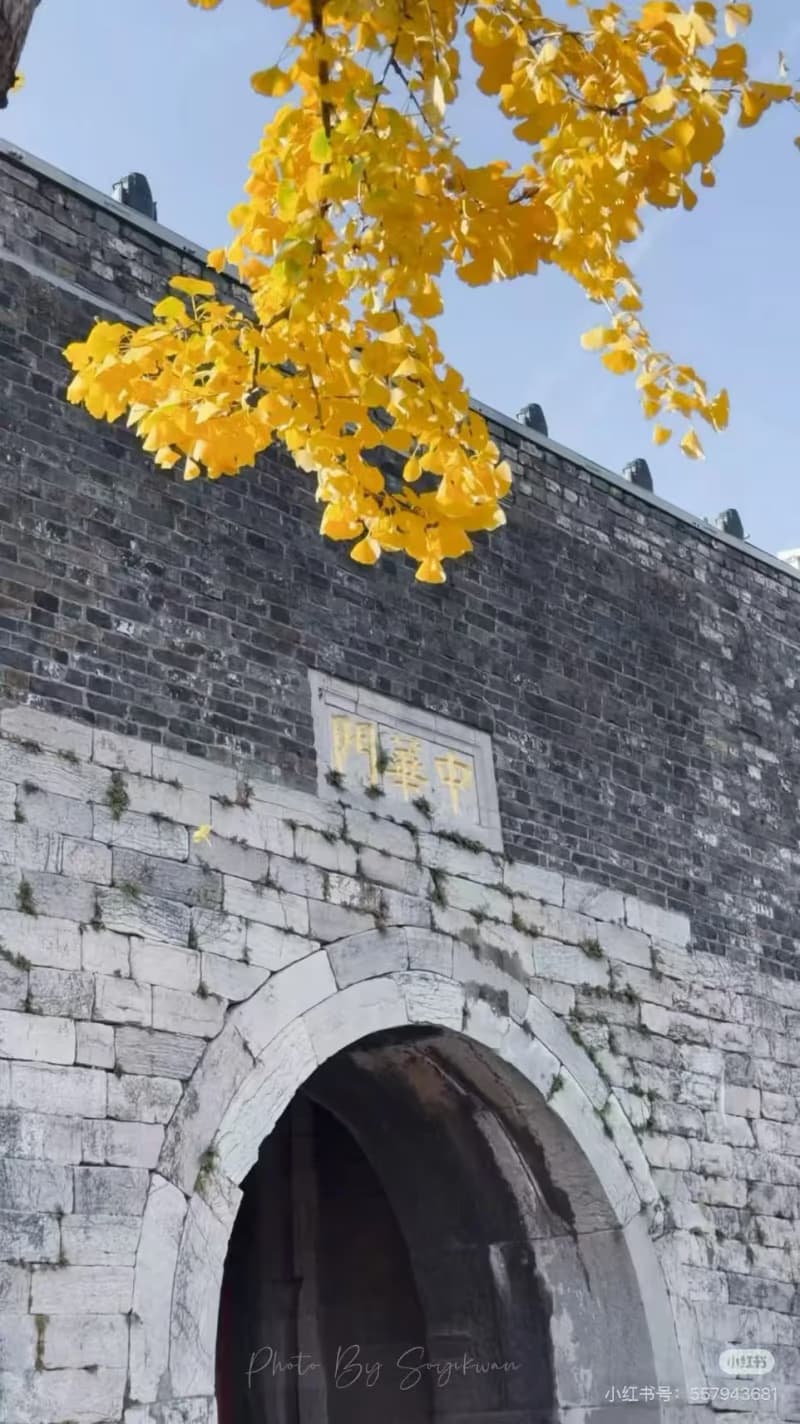
Nanjing has 600 years of imperial history, the world's longest city wall, and Sun Yat-sen's mausoleum — but ask a local what Nanjing is actually proud of, and the answer is duck. Under ¥100, half a day, from morning soup to late-night pancakes by the river, you'll see why. This is not a tourist thing. This is what people in Nanjing eat.
- Nanjing City Guide — Full city overview with accommodation and transport
- Confucius Temple and Qinhuai River — Detailed guide to the night snack area
- How to Pay in China — Mobile payment setup