Last updated: May 2026. Hutong neighborhoods change quickly—shop hours and availability may vary. Verify before visiting.
What This Experience Is
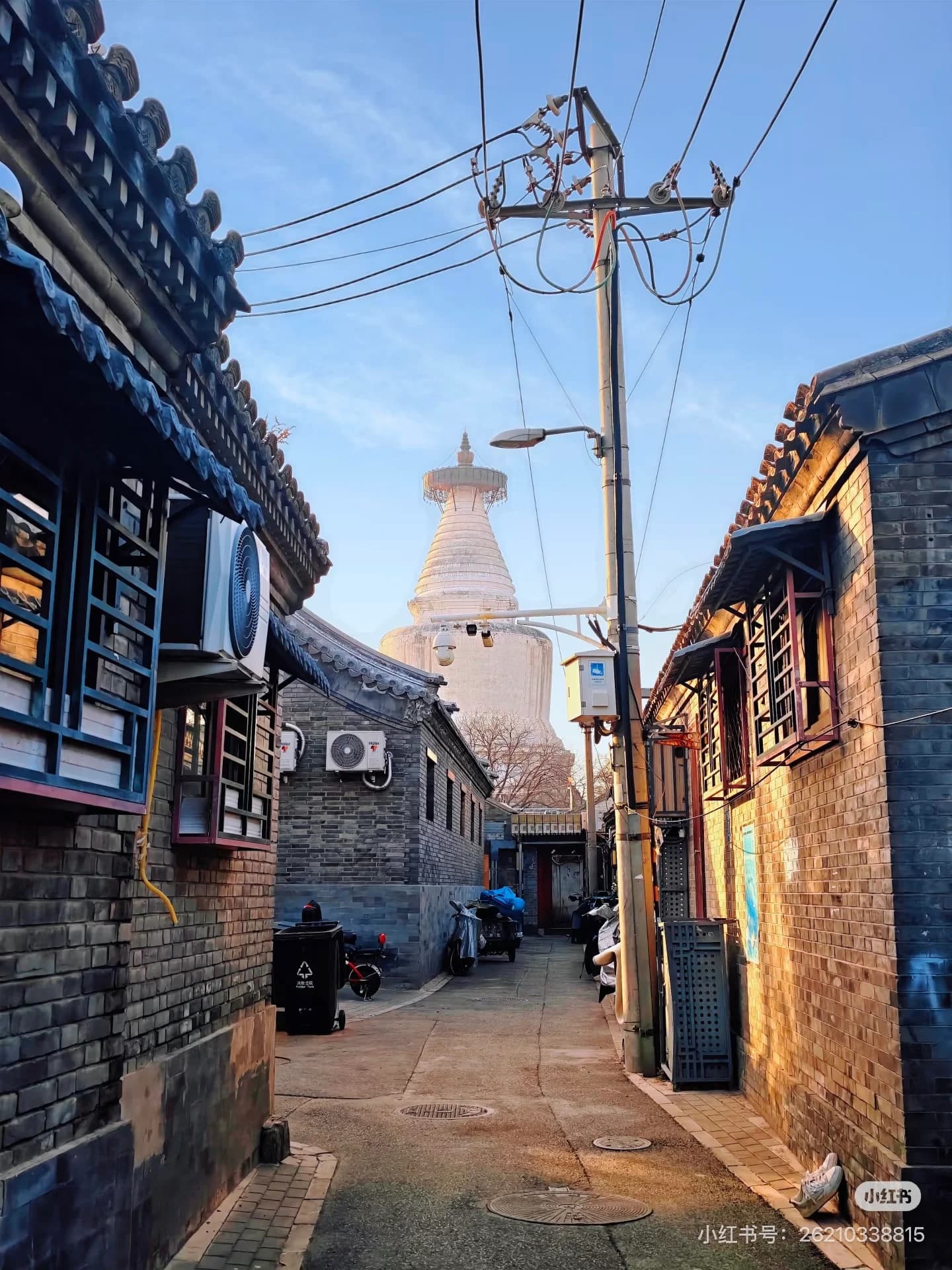
Riding or walking through the narrow, crisscrossing alleys of old Beijing, passing gray-walled courtyard houses, elderly residents sunning themselves on doorsteps, and the smell of home cooking drifting from kitchens—this is hutong exploration, touching the true heartbeat of the city.
One-sentence summary: Not tourist attractions, but stepping into the real daily life of Beijing locals.
The Actual Experience
Starting Point: North Entrance of Nanluoguxiang (9:00 AM)
Nanluoguxiang itself has become heavily commercialized, but the surrounding fishbone-pattern hutong cluster is worth exploring.
Yu'er Hutong: The free Lao She Memorial Hall (9:00 AM–5:00 PM) shows where this "People's Artist" lived in an ordinary siheyuan.
Mao'er Hutong: Qing Dynasty officials' residences with noticeably higher-grade gatehouses—you can directly see how hierarchy manifested in architecture.
Ju'er Hutong: A sample of old-new architectural fusion, where a controversial 1990s renovation experiment remains debated today.
What it actually feels like: Arrive before 9 AM when tourists are scarce. You'll see elderly residents returning from grocery shopping, parents taking kids to school—the real routine. After 10 AM, tour groups arrive and the atmosphere completely changes.
Midway: Wudaoying Hutong (10:30 AM)
Cycle about 15 minutes south from Nanluoguxiang to Wudaoying Hutong, near Yonghegong (Lama Temple).
This area combines independent designer boutiques, specialty coffee shops (Metal Hands, Barista), and small art spaces. Sitting outside a café, you'll see three types of people pass by simultaneously: elderly long-term residents, artsy youth taking photos, and office workers rushing by on shared bikes.
What it actually feels like: This is the best window to observe Beijing's cultural diversity colliding. You don't need to buy anything—just people-watching is worth the visit.
Turning Point: Yangmeizhu Xiejie (2:00 PM)
In the afternoon, cycle through the Qianmen area to Yangmeizhu Xiejie. The Republican-era architecture is relatively well-preserved, and the building housing Model Bookstore is itself a historic protected structure.
What it actually feels like: Much quieter than Nanluoguxiang, perfect for slow walking and photography. But shop hours are irregular—some open only in the afternoon, some close Mondays. Verify before making a special trip.
End Point: Dashilar (4:00 PM)
Yangmeizhu Xiejie leads directly into the Qianmen/Dashilar commercial district. The contrast between century-old time-honored brands (Quanjude, Ruifuxiang, Tongrentang) and the restored commercial street makes you contemplate how "tradition" is reshaped by commerce.
Is It Worth It?
Direct answer: Yes, but with conditions.
Worth it when:
- You want to see the real Beijing, not an "Old Beijing" created for tourists
- You enjoy photography—the textures of gray walls and tiles are photogenic
- You're interested in urban planning and historic architecture
- You have 4-5 hours of uninterrupted time
Maybe not worth it when:
- You hate crowds—even "non-touristy" hutongs get packed on weekends
- You expect to "discover secret spots"—hutongs are highly exposed now; there are no real undiscovered corners
- You're tight on time—rushing through means seeing only rundown alleys, and the experience suffers
Honest assessment: The joy of hutong exploration lies in the "process" rather than the "destination." If you expect a dramatic climax moment, you might be disappointed. But if you enjoy observing ordinary people's daily lives, this will be a memorable experience.
How to Do It
Booking and Preparation
No booking required: Hutongs are open spaces, accessible anytime.
Best timing:
- Seasons: Spring and autumn are ideal (March–May, September–November)
- Hours: Weekday mornings 8:00–10:00 AM for fewer crowds and better light
- Avoid: Weekends, public holidays, and Monday mornings (some shops closed)
Transportation:
- Shared bikes: Unlock with Alipay or WeChat. Meituan Bike (yellow) or Hello Bike (blue) recommended. Cost: about ¥1.5-2 per 30 minutes. Prices change—confirm current rates in app.
- Walking: Recommended inside hutongs; bikes can be inconvenient in narrow lanes
- Footwear: Comfortable flat shoes—the pavement is uneven
Important Notes
Safety:
- Motor vehicles are rare in hutongs, but watch for electric scooters and tricycles (fast and quiet)
- Some alleys lack street lighting; finish before dark
- If you get lost: hutongs follow a rough grid—head east toward main roads, or ask locals "Qianmen zenme zou?" (How to get to Qianmen?)
Etiquette:
- Some hutongs are residential—keep noise down
- Avoid photographing inside private courtyards
- Siheyuan gates are usually closed; don't push them open uninvited
Language:
- Elderly hutong residents mostly don't speak English
- Have a translation app ready (Baidu Translate supports photo translation)
- Simple Chinese greetings help: "Nǐ hǎo" (Hello), "Xièxiè" (Thank you)
Common Mistakes
Mistake 1: Only walking Nanluoguxiang's main street
- The main street is purely commercial, no different from any tourist pedestrian zone. To experience real hutongs, you must turn into the side alleys.
Mistake 2: Having unrealistic expectations of hutong conditions
- Many hutongs do have issues with garbage disposal and chaotic parking. This isn't the perfect scene from social media—it's real urban residential areas.
Mistake 3: Trying to "cover" all hutongs
- Beijing has thousands of hutongs. Choose one route for deep exploration rather than spreading yourself thin.
Mistake 4: Ignoring weather
- Summer hutongs are stifling (high walls block ventilation); winter shade makes them cold. Spring and autumn are ideal.
Who It's For / Who It's Not For
Good for:
- Travelers who enjoy observing local life
- Photography enthusiasts (rich in lighting, colors, and human subjects)
- Those interested in modern Chinese history (many historic residences hide in hutongs)
- Patient visitors—this isn't a fast-paced experience
Not good for:
- Families with toddlers—cobblestones make strollers difficult; kids may find it boring
- Elderly with mobility issues—uneven surfaces and some steps required
- Travelers seeking comfort experiences—no air conditioning, no rest areas, limited English service
- Time-pressed visitors—need at least 3-4 hours to appreciate it
Special note: If you're sensitive to air quality (asthma, allergies), avoid spring and early summer when catkins fly. Hutongs are narrow with poor ventilation, where catkins accumulate more heavily.
Related Reading
- Beijing City Guide
- The Forbidden City
- How to Pay in China
- Imperial Palaces Deep Dive
- The Central Axis Walk


