Last updated: May 2026. Ticketing rules and opening hours change often—always verify before you book.
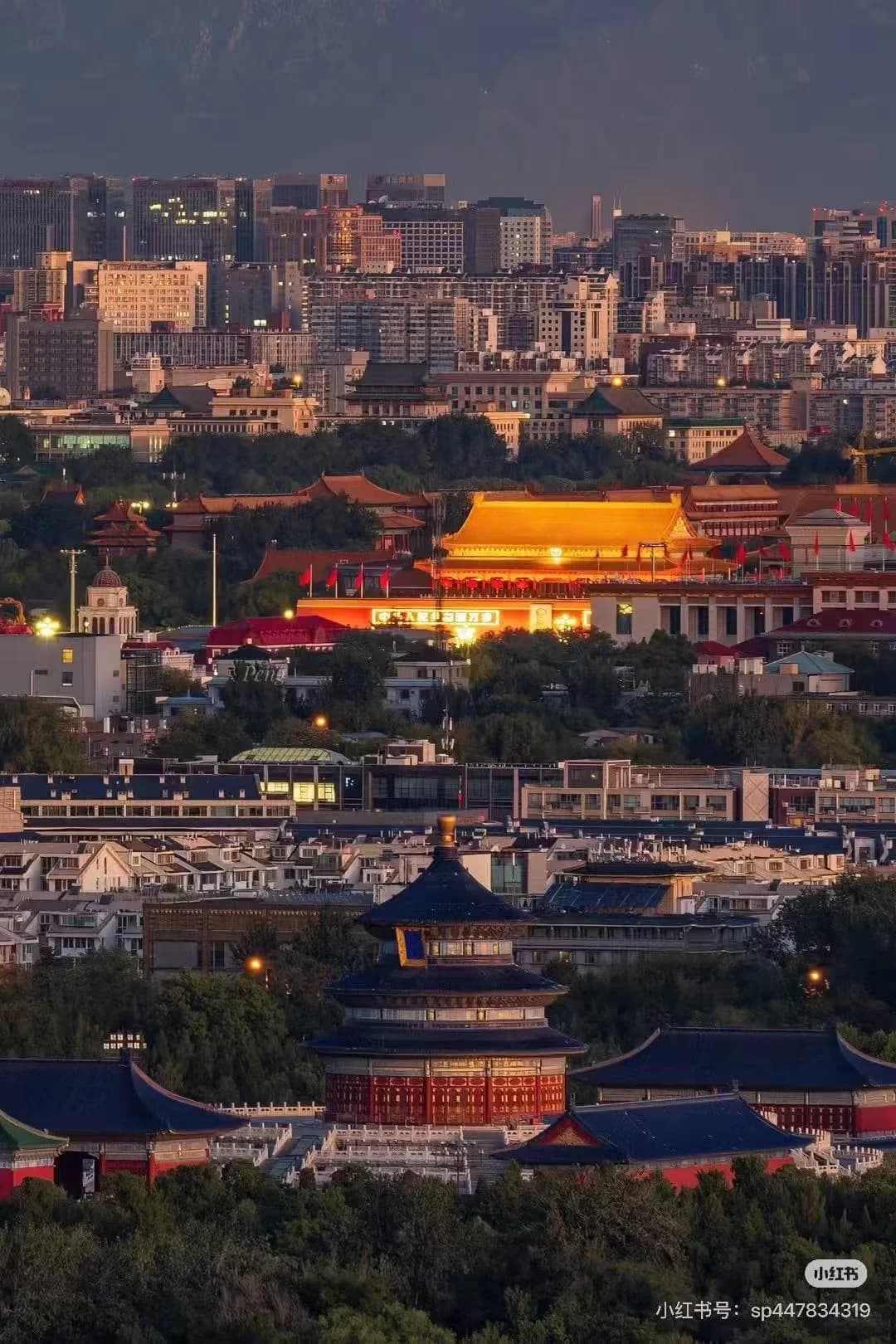
By six in the morning, Temple of Heaven Park is already full of people practicing tai chi, sword routines and group dancing. This isn’t a show for visitors—it’s simply how nearby residents start their day. Beijing is a city where imperial ritual spaces and everyday life sit on top of each other: a six-hundred-year-old altar for communicating with Heaven is now a neighborhood exercise ground; the rooflines of the Forbidden City face the glass towers of the CBD; shared bikes lean against grey-brick courtyards as you ride through hutong alleys. Here, history is not sealed behind glass. It’s the pavement under your feet and the air you’re breathing.
At a Glance
| Best time to visit | March–May, September–November (comfortable spring and fall; winter is great for Great Wall snow views) |
| Recommended stay | 4–5 days |
| Budget per day | ¥550–1000 (mid-range) |
| Getting there | Beijing Capital Airport (PEK), Beijing Daxing Airport (PKX); high-speed rail via Beijing South / Beijing West / Beijing Station |
| Known for | Imperial palaces, Central Axis, hutong culture, Peking duck |
| Special requirements | Major attractions like the Forbidden City require advance online reservations; bring your passport for entry |
Why Beijing Belongs on Your China Itinerary
Beijing concentrates a lot of what people imagine when they think of “China” into a single city: imperial palaces, city walls and gates, tree-lined old streets, plus deep bowls of noodles and bubbling hot pots. The world’s largest palace complex is here. One of humanity’s most famous man-made structures—the Great Wall—runs through the nearby mountains. Classic northern comfort food and old-school Beijing snacks are also clustered in this city. In 4–5 days, it’s possible to walk from the Forbidden City, where emperors once lived, to the contemporary galleries of 798 Art District, from traditional teahouses near Qianmen to the blockbuster rides of Universal Studios, from the Central Axis to the hilltop views over the old city from Jingshan Park. If the goal is to compress a “from imperial capital to modern capital” time-travel experience into a short vacation, Beijing does the job well. One honest note: Beijing is big, dense and a little exhausting—in a way that’s usually worth it. Expect to walk more than you planned, queue longer than you hoped, and still feel, when you leave, that you could have used “just one more day.”
Ways to Experience Beijing
Step into Imperial Palaces and Royal Gardens
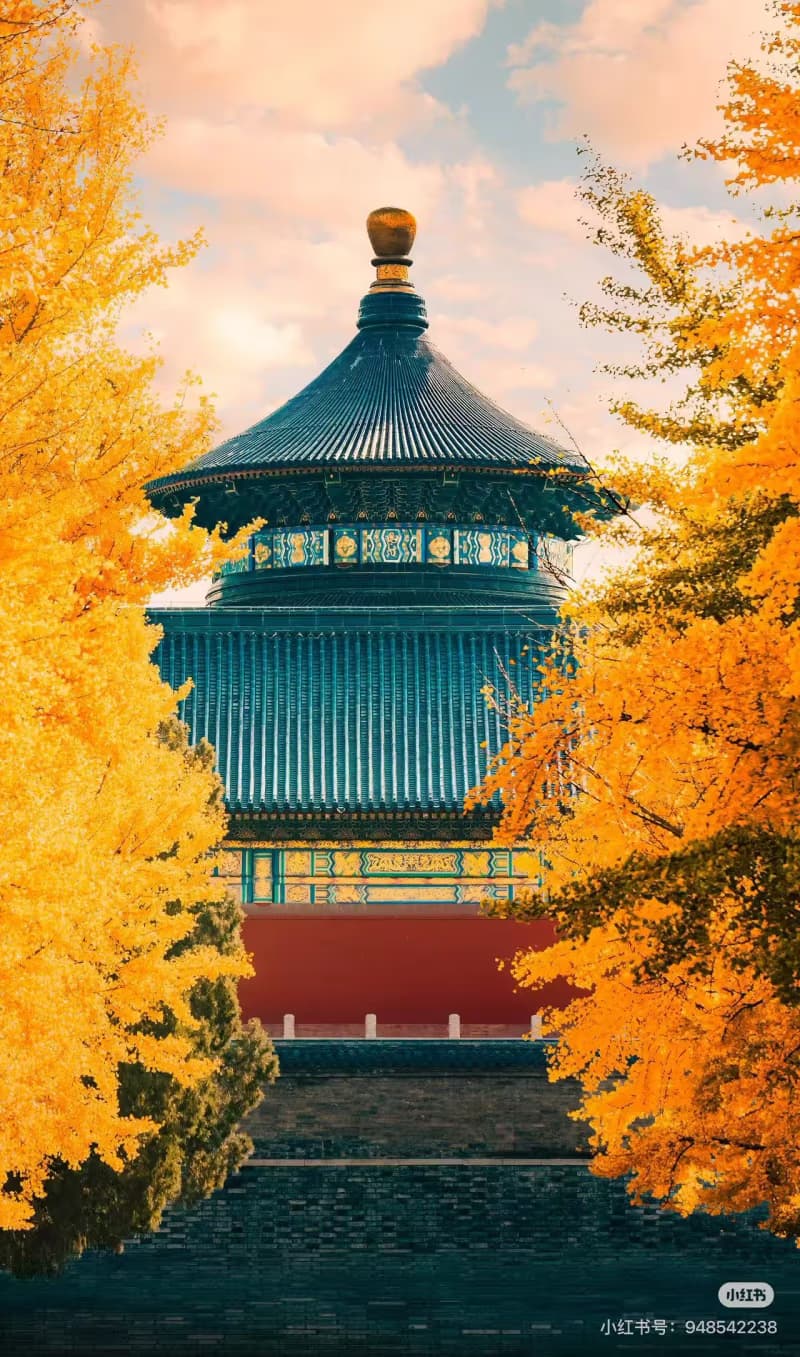
Walk across Tiananmen Square, through the Meridian Gate and into the Forbidden City, and it quickly becomes clear that it’s far larger and more complex than most people expect. The ceremonial halls on the central axis are only the beginning. The real interest lies in the side halls, the inner courtyards and the exhibition rooms, where you get glimpses of court life: how the emperors and their households ate, dressed, studied and governed, along with the exam system and diplomatic rituals that underpinned the empire. The Temple of Heaven expresses a different kind of order: the circular Hall of Prayer for Good Harvests, the round Altar of Heaven and the Echo Wall all reflect the ancient Chinese ideas of “round Heaven, square Earth” and carefully designed ritual space. Summer Palace and Beihai Park show how rulers turned landscape into something like a “livable ink painting”—lakes, artificial hills and long corridors recreating southern scenery on the outskirts of the northern capital.
Chase Memories in the Hutongs
Rent a shared bike and ride from the independent boutiques and small bars on Yangmeizhu Xiejie to the cafés of Wudaoying Hutong, then turn into any quiet side alley that looks interesting. You’ll see courtyard houses with quilts drying in the sun and red lanterns hanging by the door. Behind the grey brick walls are real Beijing families. Couplets are pasted by the doors; on the street, tiny stalls sell jianbing (breakfast crepes), lu zhu stews and steamed buns. Ordering with basic English, translation apps or just pointing at pictures works surprisingly well, and the food and atmosphere feel far more “local” than most restaurants inside major tourist sites.
Read the City Along the Central Axis
From Yongdingmen Gate in the south to the Drum and Bell Towers in the north, a roughly 7.8-kilometre north–south axis stitches Beijing together. Temple of Heaven, Qianmen Street, Tiananmen Square, the Forbidden City, Jingshan Park and the Drum and Bell Towers all sit along this line, which has guided the planning of the imperial capital for centuries. If you have time, set aside half a day to experience it in segments: start in the morning at the Temple of Heaven to watch locals exercise; pass through Tiananmen and the Forbidden City around midday; then climb Jingshan or walk up to the Drum Tower towards sunset for views of tiled roofs and distant mountains.
Listen to Beijing Accents in Teahouses and Theatres
At venues like Huguang Guild Hall, Zhengyici Opera Theatre or Lao She Teahouse, you can order a pot of tea with simple snacks, then watch Peking Opera, storytelling or cross-talk comedy. The painted masks and stylized singing can feel unfamiliar if you don’t speak Chinese, but the live atmosphere goes a long way toward explaining why this art form is considered a “national treasure.” If you’re not ready to sit through a full-length performance, look for programs built around several classic scenes—these condensed shows are easier as a first encounter.
Dress Up in Historical Costumes for Photos
Around the Forbidden City and Summer Palace you’ll find studios renting hanfu, cheongsams and Qing-style court costumes. Putting on period clothing and taking photos against red walls, golden roofs and painted corridors has become a very popular way to remember a trip. Some sites limit oversized props and extremely wide skirts for safety and crowding reasons. As long as you follow staff instructions on where you can walk and pose, it’s straightforward.
Top Attractions in Beijing
The Forbidden City (Palace Museum)
Home to Ming and Qing emperors, the Forbidden City is the largest surviving palace complex in the world. The route from the Meridian Gate to the Hall of Supreme Harmony is the classic ceremonial spine. From there, you continue north through residential and administrative quarters to the Imperial Garden and side complexes with various exhibitions. To see it without rushing, plan at least half a day. Don't miss: The stone carvings and roof details around the Hall of Supreme Harmony, the clocks and treasures in the Shenyang Palace area, and the rockeries and ancient trees inside the Imperial Garden.
Important: Tickets are sold by real-name online reservation only. There are no same-day tickets at the gate. Book in advance on the official website or approved apps, and bring your passport for entry.
Mutianyu Great Wall
Mutianyu is a restored stretch of wall in the mountains northeast of the city. Compared to more heavily visited sections, it usually has fewer crowds and wider open views. The wall here offers both gentler slopes and steep flights of steps, making it suitable for a half-day or full-day trip. Spring and autumn bring the most pleasant temperatures; in autumn the hills turn red and gold, while in winter snow, when it comes, gives the wall a very different character. You can ride a cable car up and, if you like, take a toboggan (luge-style slide) down. On weekends and public holidays, lines for the toboggan can be long.
Temple of Heaven Park
This was where emperors performed rituals to pray for good harvests, and today it’s also a neighborhood park. The blue-glazed tiles of the Hall of Prayer for Good Harvests and the concentric stone circles of the Circular Mound Altar appeal to anyone who likes geometry and spatial design. Arriving in the morning, you’re likely to see retirees practicing tai chi, playing badminton and kicking shuttlecocks. The contrast between grand ritual architecture and everyday exercise is one of Beijing’s most charming combinations.
What to Eat in Beijing
Beijing cuisine leans toward wheat-based staples and lamb, with bold, savory flavors. Some dishes are oily and rich, but they pair well with beer or baijiu if that’s your thing.
Peking Duck
Peking duck is the city’s signature banquet dish: ultra-crisp skin, tender meat, rolled with scallions and sweet bean sauce in thin pancakes. Quanjude is the classic name visitors tend to recognize, while chains like Dadong and Siji Minfu are very popular with both locals and tourists. Tip: For prime dinner hours, reserve in advance. At well-known branches, expect queues if you just walk in.
Zhajiangmian (Fried Sauce Noodles)
Thick wheat noodles topped with minced pork cooked in fermented soybean paste, plus raw shredded vegetables like cucumber and radish. The best versions are often found in small, no-frills restaurants tucked inside hutongs—places that look ordinary but have steady local regulars.
Douzhir and Jiaoquan
Douzhir is a fermented mung bean drink with a sour, slightly funky flavor, traditionally eaten with deep-fried dough rings called jiaoquan. It’s very much an “acquired taste.” If you’re curious about old-school Beijing flavors and comfortable trying something challenging, order a small portion first.
Luzhu Huoshao
A hearty stew of pork offal (mainly lungs and intestines) with chunks of baked wheat bread soaking in the broth. It’s strongly flavored and not for everyone, but for travelers already familiar with Chinese food and open to offal dishes, it’s a very “only in Beijing” experience. Look for long-running shops near Qianmen and in the old city.
Tanghulu (Candied Hawthorn Skewers)
Whole hawthorn berries dipped in hard sugar syrup and skewered on a stick, sold by street vendors especially in winter. They’re tart and sweet, and you’ll also see versions with strawberries, grapes or pineapple.
Instant-Boiled Mutton (Shuai Yangrou)
Thin slices of lamb briefly swished in a copper hot pot heated over charcoal, then dipped in sesame sauce. Eating instant-boiled mutton in Beijing in winter feels exactly right. Traditional restaurants usually offer picture menus, which makes ordering much easier if you don’t read Chinese.
Where to Stay in Beijing
[First-time visitors] Around Tiananmen and Wangfujing
This central area puts you within walking distance or a short subway ride of Tiananmen Square, the Forbidden City and the National Museum. Wangfujing itself is a major shopping street with plenty of places to eat. Best for: First-time visitors who want to cover the main “must-see” sights with minimal commuting.
Keep in mind: Room rates are higher and hotel rooms can be compact. Crowds are heavy during weekends and holidays.
[Families & Theme Parks] Near Universal Beijing Resort
If Universal Studios is a major reason for your trip, staying near the resort makes it easy to arrive early and stay late without long rides back into town. Best for: Families with children and theme-park-focused trips.
Keep in mind: It’s 40–60 minutes by subway or taxi from central sights like Tiananmen and the Forbidden City.
[Business & Nightlife] Sanlitun / Guomao
Sanlitun is full of bars, malls and international restaurants, with a big expat presence and active nightlife. Guomao (the CBD) is lined with office towers and high-end hotels. Best for: Business travelers and visitors who care about nightlife and global dining options.
Keep in mind: Traffic jams are common at peak hours, and prices for both hotels and dining run higher than average. In all areas, using Booking.com or Ctrip with filters for neighborhood and distance to subway stations is a practical way to shortlist options.
Getting to and Around Beijing
Getting to Beijing
By air:
- Beijing Capital International Airport (PEK): About 25 km from the city center, with the Airport Express train reaching Dongzhimen in around 20–30 minutes, where you can connect to the subway. There are multiple terminals (T2 and T3); most long-haul international flights use T3. Always double-check your terminal before you go.
- Beijing Daxing International Airport (PKX): South of the city, linked by the Daxing Airport Express (around 20 minutes to Caoqiao station for subway transfers). Airport buses, taxis and ride-hailing services are also available. By train:
- Beijing South Station: Main high-speed hub for lines like Beijing–Shanghai and Beijing–Tianjin, connected by subway Lines 4 and 14.
- Beijing West Station: Handles routes toward the south and west (including Guangzhou and Hong Kong), linked to Lines 7 and 9.
- Beijing Station: An older central station serving some high-speed and conventional trains, connected to Line 2. When booking, pay close attention to the station name. The three main “Beijing” stations are far apart; going to the wrong one can easily cost you your train.
Getting Around the City
Subway: Covers most central districts and major sights, and is generally the most reliable way to get around. During rush hours (around 07:00–09:00 and 17:00–19:00), trains are crowded—if your schedule is flexible, try to travel just outside peak times. Most gates accept QR codes via local payment apps and transport cards. Buses: Very cheap and extensive, but more challenging if you don’t read Chinese. You can rely on map apps to plan routes, but stop announcements are mainly in Chinese. Taxis and ride-hailing: Fares are reasonable but traffic can be slow at peak times. For short trips within the center, expect roughly ¥20–50 depending on distance and congestion. Shared bikes: Everywhere inside the Second Ring and in hutong areas, perfect for short hops. They require popular Chinese apps to unlock, and you need to be careful about riding among cars and pedestrians. On foot: Great around the Forbidden City, Qianmen and hutong neighborhoods. Just keep in mind that Beijing’s scale is larger than it looks on a map—a “short” walk between two landmarks can easily take 20–30 minutes.
Before You Go
→ How to Pay in China — Set up mobile payments and understand cash options before you land
→ Staying Connected — SIM cards, eSIMs and staying online for maps and translation
→ China Visa Guide — Visa categories, requirements and entry rules
→ Beijing Air Pollution: Real-time Air Quality Index (AQI) — Check live pollution levels and health recommendations for your stay.
→ 4 Days in Beijing Itinerary — A balanced route covering the Central Axis, Great Wall, and hutong culture.
Beijing-specific notes:
- The Forbidden City, some major museums and popular exhibitions require advance online reservations. In busy seasons, tickets can sell out quickly, so setting reminders for ticket release times is wise.
- Winters are cold and often windy; for outdoor sights like the Great Wall and city walls, bring hats, gloves and warm layers.
- In spring, sand and dust storms are possible; a mask and eye protection make these days more comfortable.
- Air quality fluctuates. On poor-air days, check the Real-time AQI and prioritize indoor sights like museums and malls; sensitive travelers may want to book accommodation with air purifiers.
Beijing is not a city you “check off” by ticking through a list of sights—it’s a place to walk slowly under old palace walls and along broad avenues. You feel the scale of power between the red walls and golden roofs of the Forbidden City, experiment with ancient acoustics at the Temple of Heaven’s Echo Wall, drink warm soy milk in a hutong breakfast shop while listening to Beijing dialect, and stand on the Great Wall ridgeline watching mountains and masonry curve away into the distance. Give a few days to this city and, in return, it offers a very specific answer to how China’s past and present can occupy the same map.
Related Guides:
- Forbidden City Guide — How to make the most of a day inside the palace
- Mutianyu Great Wall — Planning a Great Wall day trip without feeling rushed
- Temple of Heaven — Ritual architecture and morning exercise culture
- Hutong Walking Guide — Suggested walking and cycling routes through old alleys
- Peking Duck Experience — How to plan a satisfying roast duck meal in Beijing