Last updated: May 2026. Per-head costs and dish prices move with the neighborhood — match the printed menu and your receipt the night you eat.
Northeastern cooking sits off to its own side inside China’s wider map: more meat, fewer dainty vegetable plates, huge servings, salty-rich bases, and a straight-up convivial feeling around the table. It is not the light, tea-house lane of small cold starters. You are more likely to land at a lazy Susan, a disposable tablecloth, and a bottle opener rattling in the condiment tray. The paper menu — or the QR code you scan — may show Chinese only. Shenyang has hosted domestic travelers for generations, though, so pointing at pictures, simple gestures, a translation app, plus asking whether a smaller portion exists is usually enough to eat well.
Quick Reference
| Topic | What to expect |
|---|---|
| Flavor profile | Salty-savory baseline; guo bao rou is sweet-sour, twice-fried pork; stews run deep and soupy; cold dishes love garlic and vinegar |
| Portion math | Northern trays run large; two hot dishes + one cold + rice often fills two people; solo diners should ask for half or small sizes first |
| Ordering | Photo walls, illustrated menus, or screenshots from Dianping’s “popular dishes” — point, don’t improvise speeches |
| Payment | WeChat Pay and Alipay dominate; a few old shops still want cash — keep under ¥100 in small bills as backup (How to Pay in China) |
| Language | Tourist-zone staff sometimes speak rough English or show picture keys; if not, digits for quantity + pointing still works |
| Budget | Everyday Northeastern restaurants often land around ¥50–¥120 per person without alcohol or luxury seafood; mall chains and viral spots can run higher |
Table Pace, Tea, and Money Customs
Tipping basically does not exist in these restaurants — good service is priced into the ticket. A polite xie xie when staff clears plates is enough.
Tea and water often arrive unasked; some houses pour weak tea into cups as soon as you sit, others charge for sealed packets — if you care, glance at the menu’s beverage column before you drink. Hot water preference is normal in northern winter; asking wen shui works when you want warm drinking water instead of ice-cold bottled.
Lazy Susan etiquette is practical, not ceremonial: give communal dishes a quarter turn so the person across can reach; take modest first portions when something arrives piping hot so everyone gets a bite before round two.
Peak crowds hit 12:00–13:30 and 18:30–20:00 on weekdays; Zhongjie-linked halls fill faster on national holidays. Arriving before noon or after 20:30 often buys quieter kitchens without sacrificing closing-hour heat.
Splitting bills is informal: one person often pays the full QR sweep and settles peer-to-peer later; asking staff to divide checks card-by-card is uncommon outside upscale malls, so agree casually before you order rounds of beer.
What Northeast Food Feels Like on the Ground in Shenyang
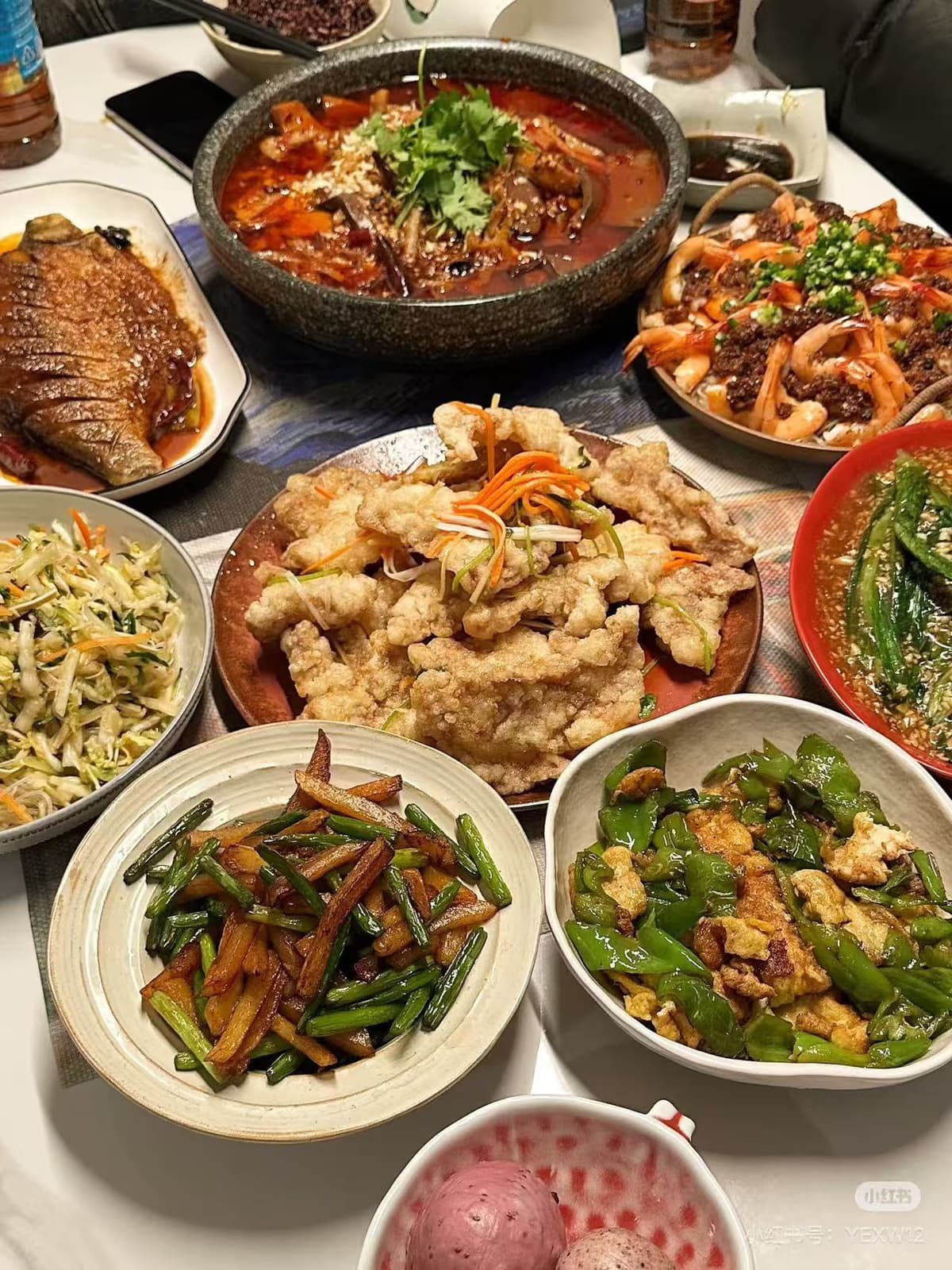
Compared with the small-plate rhythm of much southern dining, hot dishes here often arrive in wide bowls, deep plates, or iron pans with gravy. Pork, chicken, potato, eggplant, and green beans show up constantly; pickled cabbage turns more common once winter settles in. Do not expect “default low oil / low salt” — if you need it, say shao you, shao yan (“less oil, less salt”). Staff usually catch simple tweaks; execution still varies by kitchen.
Guo bao rou is the region’s famous fry: thin pork loin, battered, fried twice, then hit with a sweet-vinegar splash — crisp outside, tender inside, and that nose-clearing vinegar puff is normal. On a first visit, order a small portion or make this your only big meat dish, then decide whether you still want a stew pot underneath it.
How to Order Without Fluent Chinese
- Hunt pictures first — wall photos, laminated menu spreads, or Dianping recommendation shots. Point and say zhe ge, yi ge (“this one, one”) while holding up one finger — clearer than English digits for busy runners.
- Type characters in Notes — stash dish names in your phone memo (staff can read faster than they hear you through accent noise), or flash a translation app on full screen.
- Rice is its own line item — look for mi fan or per-head rice charges. Stews cling to starch; start with one shared bowl before doubling carbs.
- Heat vs. sweet-sour — “mild spicy” in a Dongbei kitchen can still bite; guo bao rou does not convert to spicy — it is fixed sweet-sour. If you avoid pork, print or flash bu chi zhu rou.
- Pay at the front — they scan your payment code, or you scan their table QR; glance at the printed ticket before you leave.
You do not need to perform “local insider.” For trip one, stable, hot, low-waste beats ordering the whole canon.
Pork-free travelers should assume pork fat sneaks into broths even when the protein looks like chicken — Northeastern stews love overlapping pots. Flash a typed note (no pork / no lard) and consider dry stir-fries with visible tofu or mushroom-only pots after staff confirms.
Vegetarians can survive on di san xian, vinegary shredded potato, egg-and-tomato plates where offered, and plain rice, but Dongbei halls are still meat-forward; preview photos on Dianping for “green-heavy” plates before you commit to a remote suburb spot.
First Meals That Forgive Beginners
Pork with pickled cabbage and glass noodles / chicken stew with mushrooms — stew classics with rich broth and noodles that drink it up. For two people, a small or medium pot is often plenty — resist stacking a second giant stew.
Guo bao rou — sweet, crunchy, heavy; pair with a cold starter or extra pickled cabbage so the meal does not sugar-crash.
Di san xian / jian jiao gan dou fu — vegetable-forward “safe hits” that still eat salty-savory; portions may still look huge.
Lao Bian dumplings — Shenyang’s best-known dumpling brand; flagship shops sit near Zhongjie. Pork-cabbage and “three delicacies” fillings rarely fight newcomers. Split steamed vs. boiled half-and-half to compare skins. For street rhythm and hotels, lean on the Shenyang City Guide.
Skewer grills (shaokao) — night-social food: kidneys, tendon, beef strips, grilled beans. Orders run by “hands” or bundles — ask staff to plate a two-person starter set if you are lost.
Iron-pot stalls — seasonal street spectacle where meat, potato, and pickles bubble in a cast pan at your table; loud, smoky, fun for groups, slower for solo travelers who want a quick museum-day lunch. Treat it as optional theater, not the default intro meal.
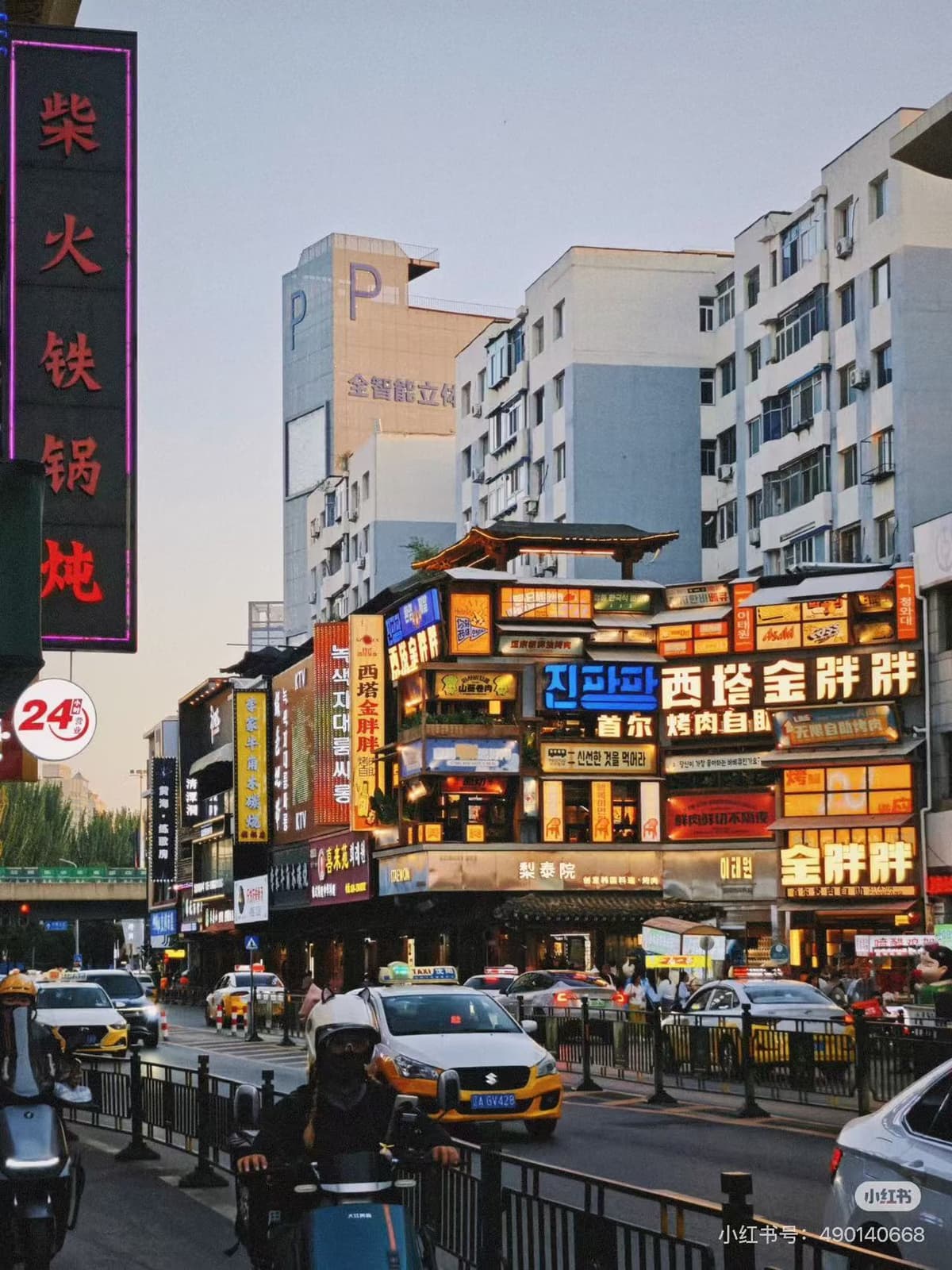
Korean strips vs. Dongbei stews — Xita’s grilled meat and cold noodles are a parallel track, not the same menu as Han-style Northeastern stew houses. For evening Korean-town pacing, still use the city guide’s Xita section — the standalone Xita deep-dive article is not live yet.
Where Food Fits in a Shenyang Itinerary
- Zhongjie + Mukden Palace + Zhang mansion day: quick dumplings or noodles at lunch, then stew + cold dish + rice on foot in the historic core for dinner.
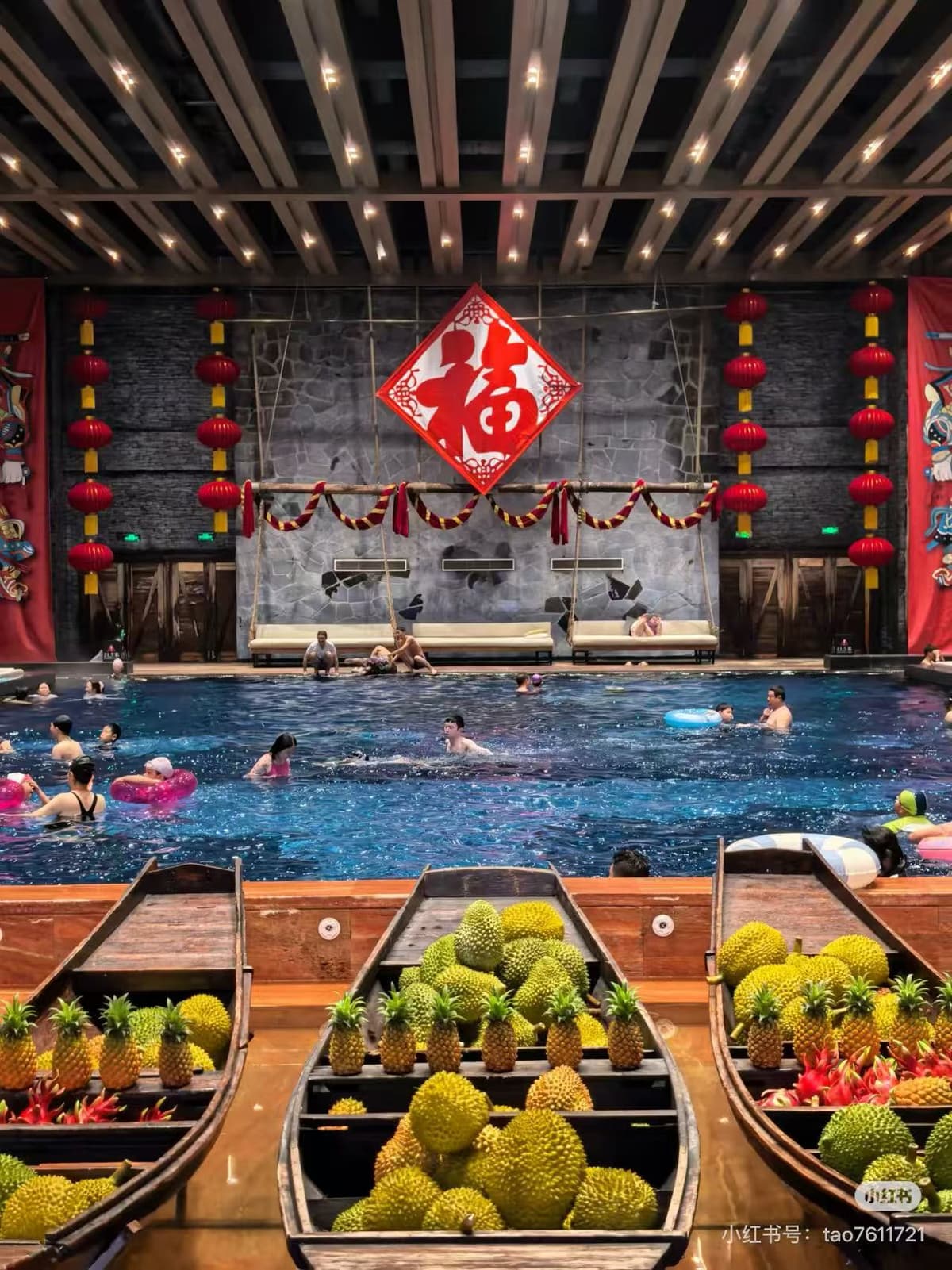
- Bath night: many clubs bundle buffets or restaurants — different calorie arc than a standalone Dongbei restaurant; budget appetite accordingly (Northeast China bathhouse culture).
- Ignore static “must-eat” lists — the same dish swings sweet or oily between kitchens; today’s queue and recent reviews beat memorizing brand names.
Common Mistakes
- Over-ordering first round — Dongbei kitchens expect takeaway boxes, but you still pay for what you trigger; start short.
- Guo bao rou as the only centerpiece — sugar-fat fatigue hits fast; add pickled cabbage dishes or cold vinegar salads.
- Expecting Korean-town plates to read as “Northeastern home cooking” — wonderful, but not the same flavor grammar as iron-pot stews in one sitting.
- Saying yes to beer rounds — skewer halls push crates; wave bu yao jiu and point at tea or soda if you do not drink.
- Relying on spoken allergy notes — flash a typed allergy line in Chinese and English; kitchens parse screens better than rushed verbal charades.
Northeastern food in Shenyang is not plating theater — it is heat, fullness, and a table that expects sharing. You do not need to become a critic; you need smaller first orders, photo pointing, and rice on the side — then let the pickle broth and vinegar steam do the rest.
If you leave still hungry, you probably misjudged depth of a single stew pot, not the whole cuisine — come back a second night with a skewer plan or a dumpling-only lunch before hopping the metro north toward Beiling. The city rewards repeat visits because portion shock fades faster than flavor memory.
- Shenyang City Guide — Zhongjie, Xita, metro, and where to sleep
- How to Pay in China — WeChat Pay / Alipay before QR menus
- Northeast China bathhouse culture — when dinner lives inside the spa stack
- Mukden Palace (Shenyang Imperial Palace) — walkable from the same eating triangle