Last updated: May 2026. Verify before booking.
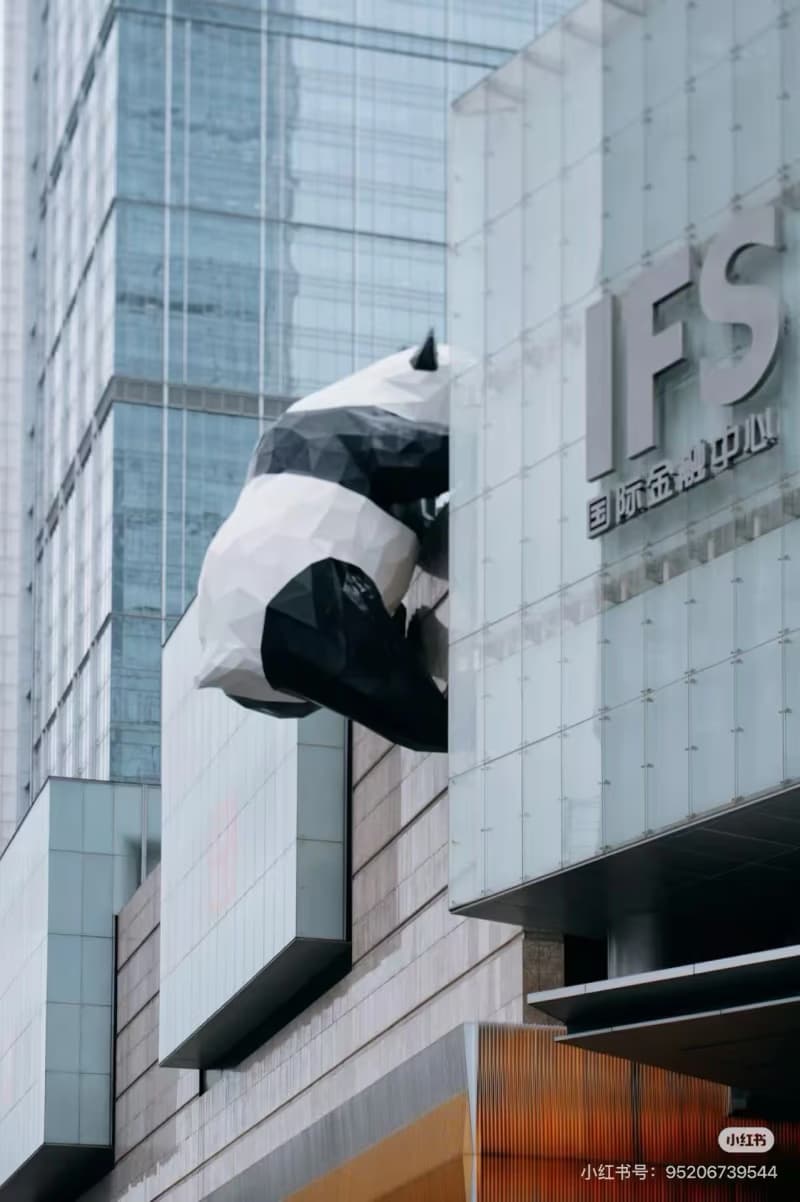
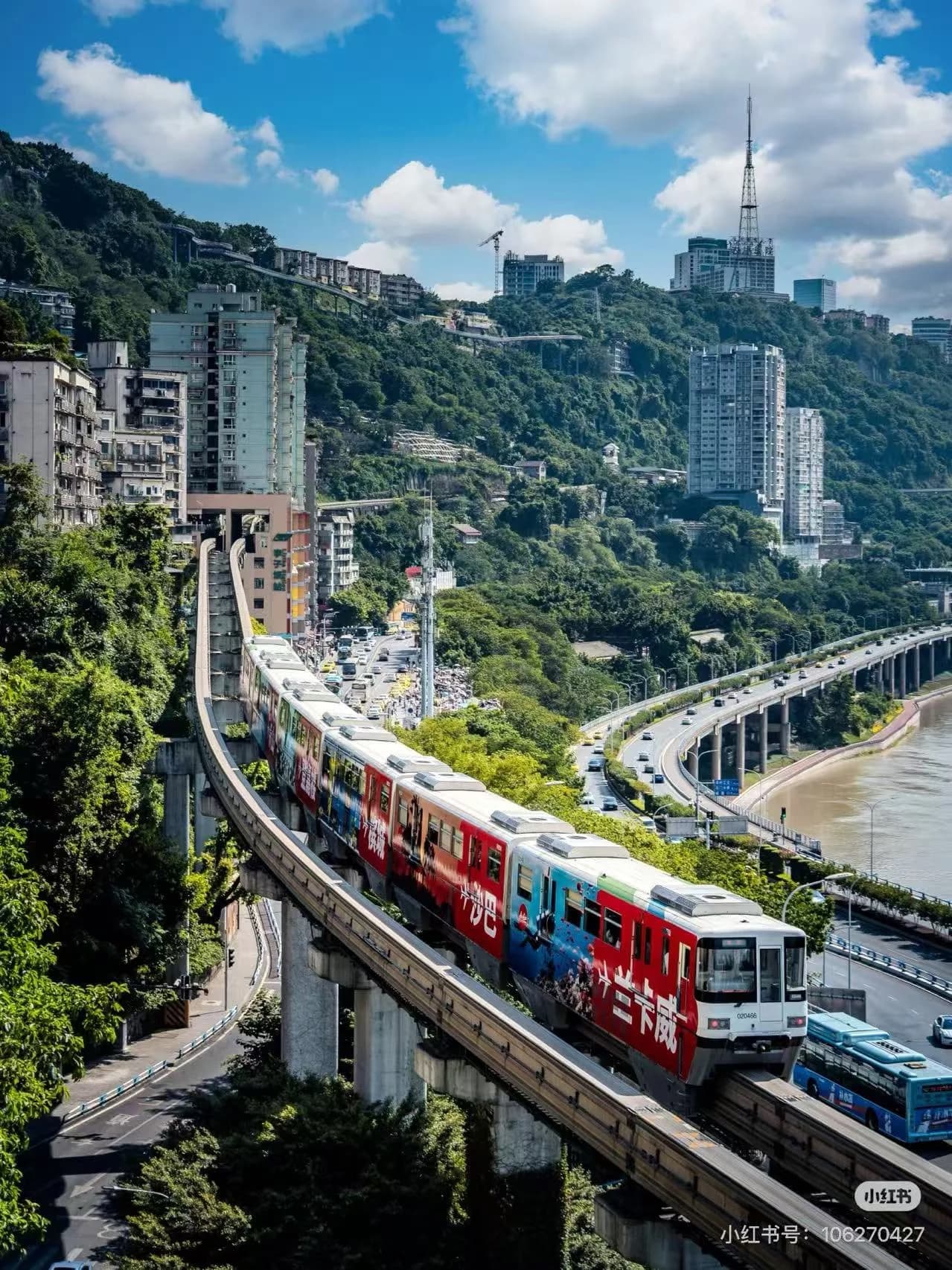
Chongqing and Chengdu sit 90 minutes apart by high-speed rail and disagree about almost everything — including, according to locals on both sides, whose hotpot is more authentic. After visiting both, most foreign travelers conclude that both are good, the differences are real, and picking a side is optional. The useful contrast is simpler than the debate: Chongqing is a vertical city built into mountain terrain, where elevated highways pass through apartment buildings and metro lines emerge from the sixth floor of residential blocks. Chengdu is flat — a plains city with a teahouse culture, a slower tempo, and one of the world's best panda research facilities within 40 minutes of downtown. Three days in Chongqing, a train, four days in Chengdu. The pacing holds up.
Is This Right For You
✅ A good fit for travelers who:
- Want to cover both cities in a single trip — the high-speed rail connection makes a two-city itinerary practical rather than punishing, and flying into one city and out of the other eliminates backtracking
- Have a specific interest in seeing giant pandas up close — Chengdu Giant Panda Research Base (成都大熊猫繁育研究基地) is the most reliable place in the world to see them at close range, and the morning feeding window makes early arrival genuinely worthwhile
❌ Not a good match if:
- Traveling in July or August — Chongqing is one of China's hottest cities in summer, with heat index temperatures regularly above 40°C; Chengdu in summer is overcast and humid, with some of the lowest annual sunshine hours in China
- Significant walking or steep terrain is a concern — Chongqing's topography means most sightseeing involves stairs or slopes; Ciqikou and the Southern Mountain require more physical effort than a flat-city itinerary
Route Overview
| Day | City | Daily Focus | Transport |
|---|---|---|---|
| Day 1 | Chongqing | Arrive, Hongyadong at night | Flight in |
| Day 2 | Chongqing | Ciqikou Old Town, Jialing River Cableway, Chaotianmen | Metro + walking |
| Day 3 | Chongqing | Southern Mountain viewpoint (night), Eling area | Didi |
| Day 4 | Chongqing → Chengdu | Morning at leisure, afternoon high-speed rail | Train ~90 min |
| Day 5 | Chengdu | Giant Panda Base (early entry), Kuanzhai Alley | Metro + Didi |
| Day 6 | Chengdu → Leshan → Chengdu | Leshan Giant Buddha day trip | High-speed rail |
| Day 7 | Chengdu | Jinli Street, Wuhou Shrine, afternoon departure | — |
Why this day split:
Chongqing's main draws — Hongyadong, Ciqikou, Chaotianmen — are all better in the late afternoon and evening. Three days lets you see each one without rushing through any of them, and still leaves a relaxed morning on Day 4 before the train. More than three days in Chongqing tends to feel like filler.
Chengdu gets four days because one of them is the Leshan day trip (about 6–7 hours total including travel), and the Giant Panda Base works best when it's the only thing on the day's agenda. Trying to compress Chengdu into two days means either skipping the pandas or skipping Leshan, neither of which is a good trade.
Budget estimate (mid-range, CNY per person per day):
- Chongqing: CNY 600–900 (accommodation, food, local transport)
- Chengdu: CNY 500–800 (excluding Leshan day trip at approximately CNY 120 extra)
Best months to go: March–May (mild temperatures, 15–25°C) or September–November (cooler and drier than summer)
Day 1: Chongqing — Arrive, Hongyadong at Night
Afternoon: Getting in
Chongqing Jiangbei International Airport (CKG) handles the city's international and domestic traffic. Most travelers from outside Asia connect through Beijing, Shanghai, Guangzhou, or Hong Kong. Journey time to the city center is 40–50 minutes — Metro Line 10 runs direct to Jiangbei city and costs CNY 10–12, avoiding traffic. If arriving after 4 p.m., a Didi is equally fast and costs around CNY 60–80.
Where to stay: Book in the Jiefangbei (Liberation Monument) district or within walking distance of Hongyadong. Both Booking.com and Trip.com's English platform index hotels under "Jiefangbei" — no Chinese required. Hotels in this zone put most of the itinerary within 10–15 minutes on foot or a short Didi.
Evening: Hongyadong (洪崖洞)
Hongyadong is the right place to start the trip, and the right time to go is the first evening — it costs nothing, requires minimal energy after travel, and the visual effect at night is the strongest version of the city's character. The full lighting comes on around 7 p.m.
The correct vantage point is from Binjiang Road below, looking up at the stacked wooden stilted buildings against the cliff face. Many people walk into the building complex first and miss the perspective entirely — the view is from the riverbank, not from inside. From the road level, the structure reads as a full stack: nine stories of lit balconies with the Jialing River in the foreground and the city rising behind.
The interior floors are restaurants and shops. Finding a window table facing the river is worth the wait. Food quality inside Hongyadong skews toward the tourist end of the spectrum and prices run 20–30% higher than comparable meals nearby — reasonable for the setting, not the best hotpot you'll find in the city. Save the serious hotpot meal for Day 2.
Hongyadong has no entry ticket. Free to enter, open late.
Day 2: Ciqikou, the River Cableway, and Chaotianmen
Morning: Ciqikou Old Town (磁器口)
Ciqikou is Chongqing's best-preserved Ming and Qing-era street district. Didi from Jiefangbei takes around 30 minutes and costs CNY 25–40. Arriving before 11 a.m. keeps the crowd density manageable.
The main commercial street runs full-length with shops selling food and souvenirs found in old-town districts across China, but the side lanes heading toward the riverbank have noticeably less foot traffic and a better sense of the neighborhood as it actually functions. The Mahuatang area (toward the pier) has local restaurants that serve maoxuewang (毛血旺) — a Chongqing standard of offal and vegetables in chili broth, available in virtually every restaurant on the street. Menus typically have photos; a translation app with camera mode covers the rest.
Ciqikou is walkable in 1.5–2 hours. Lunch here is a reasonable choice.
Afternoon: Jialing River Cableway + Chaotianmen
The Jialing River Cableway (嘉陵江索道) was originally built as a commuter crossing. The ticket costs CNY 8 per direction, the crossing takes about four minutes, and from the cable car the full span of the Jialing River is visible in both directions. Taking it south-to-north and back north-to-south takes under 30 minutes and gives the trip a specific piece of evidence for what "commuting in Chongqing" looked like. Cash or mobile payment at the booth.
Chaotianmen (朝天门) is where the Jialing River meets the Yangtze — the two rivers run at visibly different colors where they converge (the Yangtze carries more silt and runs yellower; the Jialing runs greener). The viewing area is free. River cruises depart from Chaotianmen pier: a basic two-river loop costs CNY 50–150 depending on the boat, and Klook has English-language booking. The cruise is optional — the confluence is clearly visible from the bank and the boat adds time rather than a fundamentally different perspective.
Evening: Proper hotpot
Chongqing and Chengdu hotpot differ in base stock and setup. Chongqing's mainstream style uses tallow-based broth, typically in a nine-compartment grid (九宫格) or a single undivided pot — spicy and numbing are the defining notes. Chengdu runs more toward yin-yang pots (one spicy side, one clear), with a more aromatic heat profile.
For those not used to eating from a communal pot, some chain restaurants — certain branches of Xiaolongkan (小龙坎), for instance — offer individual single-serving hot pots where each person gets their own pot and portion. The setup is cleaner and easier to manage spice levels, but local Chongqing eaters would consider this a departure from how the meal is actually eaten. If there are two or more people and no strong objection to sharing, the standard grid pot is the right call.
Recommended area for this meal: around Jiefangbei or Jiaochang Kou. Budget CNY 100–150 per person. Order maodukou (毛肚 — tripe), ya chang (鸭肠 — duck intestine), and dou fu nao (豆腐脑 — tofu; not a dessert here, a savory item). For spice: "wei la" (微辣) means "mild" on the menu but registers as moderately spicy in practice — a realistic starting point.
Most large restaurants accept foreign-linked Alipay or WeChat Pay; international Visa/Mastercard has a higher acceptance rate at chain restaurants than at smaller local spots.
Day 3: The Best View in Chongqing and How to Get There
Morning: Eling and Liziwa
The Eling area (鹅岭) is a former industrial district converted into a creative space — old printing factory buildings now house independent bookshops, coffee, and local design brands. Less foot traffic than Ciqikou, and more genuinely local in character. From Jiefangbei it's one metro stop (Line 1 to Liziwa) or a short Didi.
While in this area: Metro Line 3's Liziwa Station (李子坝站) is where the train passes through the eighth floor of an occupied residential building. The platform itself is inside the building — when the train enters the station, the structure vibrates. Standing on the overhead walkway outside the station to watch several trains pass takes 20–30 minutes and costs nothing.
Afternoon: At leisure / Dapin district
Dapin (大坪) is a dense local commercial area one metro stop from Liziwa. No tourist sites, but the street food concentration is high and the neighborhood gives a version of the city that operates independently of visitors. Good place to spend an hour if the itinerary pace needs to slow down before the evening.
Evening: Southern Mountain One-Tree Viewpoint (南山一棵树观景台)
This is the best full-city panorama in Chongqing — better than any viewpoint in the urban core because the distance is enough to take in both river confluences, the Yuzhong Peninsula's skyline, and the layered highway interchange system that makes the city look structurally impossible. No entry fee. Open until around 10 p.m.
Getting there: Didi from Jiefangbei takes 30–40 minutes and costs CNY 35–55 depending on time of day. The viewpoint is on Nanshan (South Mountain) in Nan'an district. Go up by Didi, spend 45–60 minutes, return by Didi. Late-night Didi availability in this area can be unpredictable — ordering the return before starting the walk down is worth doing.
Day 4: Morning in Chongqing, Afternoon Switch to Chengdu
Morning: Small noodles and checkout
No heavy sightseeing on Day 4. The right use of the morning is finding a local breakfast spot near the hotel and trying Chongqing xiao mian (重庆小面 — sesame-chili dry noodles). Cost is CNY 10–15 per bowl. Vegetable noodles are cheaper than meat versions and the sauce layering is identical. After checkout, luggage can be stored at the hotel until departure.
Afternoon: High-speed rail to Chengdu
Chongqing has two main high-speed rail stations: Chongqing North (重庆北站) and Chongqing West (重庆西站). Both have services to Chengdu, arriving at either Chengdu East (成都东站) or Chengdu Station (成都站). Book on Trip.com's English platform or 12306 (requires registration) 3–7 days in advance. Journey time is approximately 1.5 hours; second-class seats cost CNY 100–150. Passport number required at booking.
From Chengdu East, Metro Line 7 connects to the central districts. No Didi needed unless hotel location is inconvenient from a metro station.
Evening: Kuanzhai Alley (宽窄巷子)
Kuanzhai Alley is a renovated historic neighborhood with Qing-dynasty courtyard architecture. More commercial than the name implies, but the street layout is pleasant and dinner options here are genuinely accessible for travelers who don't read Chinese — many restaurants have photo menus or English menus, which makes the first evening in a new city easier to navigate. Walkable in 1–1.5 hours.
Day 5: Giant Panda Base — Go Before 10 a.m.
Critical: enter by 8 a.m.
Chengdu Giant Panda Research Base (成都大熊猫繁育研究基地) is the most practical place in the world to see giant pandas at close range. Admission is CNY 55 per person. Foreign passport holders cannot buy tickets at the gate window — the on-site window accepts Chinese ID cards only. Tickets must be booked in advance via the base's official English website (base.pandaclub.cn) or Klook. Book at least 3 days ahead; a full week ahead in peak season (April–May, October, Chinese school holidays).
Pandas are active from approximately 8–10 a.m. during feeding. After 10 a.m. they sleep, and by noon most are entirely stationary. The difference between visiting at 8 a.m. and 11 a.m. is not marginal — it's the difference between watching them eat bamboo, roll around, and climb, versus watching them sleep in a pile. Arriving at gate opening (8 a.m.) and heading directly to the Moonlight Nursery area (月亮产房) — where the cubs are — gives the best density of visible activity.
Getting there: Metro Line 3 to Panda Avenue Station (熊猫大道站), then a 20-minute walk or short Didi to the base. Didi wait times near the base on weekend mornings can be long — the metro option is more reliable.
Afternoon: Wuhou Shrine or rest
Wuhou Shrine (武侯祠) commemorates Zhuge Liang, the strategist from the Three Kingdoms period. Admission CNY 50. The site has genuine historical depth, but most of the interpretive content is in Chinese — the experience is richer with background context. Jinli Street (锦里) runs directly off the shrine's south gate and is free; it's a Three Kingdoms-themed commercial street with street food, tea, and craft stalls. The covered walkways and wooden architecture make it comfortable to wander without a plan.
If the panda base morning was well-spent, the afternoon can be light — Chengdu's teahouse culture rewards slowing down.
Evening: Chengdu hotpot
Chengdu hotpot typically uses a yin-yang pot (鸳鸯锅) — one half spicy red broth, one half clear. The spice profile is aromatic rather than purely numbing, which makes the heat more manageable for most palates. Budget CNY 80–130 per person. Recommended area: Yulin Road or Shuangnan — local residential neighborhoods where prices run 30% lower than the Kuanzhai Alley zone. Order shrimp paste (虾滑), thin beef (嫩牛肉), and fresh blood tofu (鲜血旺).
Day 6: Leshan Giant Buddha Day Trip
Leshan Giant Buddha (乐山大佛) is a Tang-dynasty cliff carving 71 meters tall — the largest stone Buddha statue in the world. Its toes are 8.5 meters long. The size registers differently in person than in any photograph.
Getting there:
- Chengdu East Station → Leshan Station: high-speed rail, approximately 35–50 minutes, CNY 27–50, frequent departures
- Leshan Station → scenic area: Didi (CNY 15–20, about 15 minutes) or Bus 13 (slow but inexpensive)
- Target: leave Chengdu by 8 a.m., arrive at the site by 10 a.m.
Recommended order:
River boat first (CNY 70, departing from the pier below the statue): The boat circles around to the front of the Buddha and gives a complete frontal view of the full figure from water level. This is the angle that properly conveys scale — from the cliff-side path, you're next to individual sections of the statue rather than seeing the whole. Approximately 30 minutes per trip.
Walk the cliff path (scenic area ticket CNY 80, purchased separately): From the summit, the Nine-Bend Plank Road (九曲栈道) descends along the cliff face to the base of the statue's feet. Standing next to the toes provides direct scale comparison. The descent takes 30–40 minutes; the ascent back up takes longer. In peak season (April–May, July–August, October), the plank road queues can reach 1–2 hours on weekends — a weekday visit is noticeably easier.
Practical notes for foreign visitors:
- Scenic area tickets and boat tickets are purchased separately. Both can be booked via Klook with a passport number; the boat can also be bought at the pier on the day.
- Signage inside the park is primarily in Chinese, but the path layout is straightforward and a downloaded map handles navigation.
- On the boat: there are no fixed seats. Position on the right side of the boat (facing the statue) gives a slightly better sightline. Board early in the queue.
Return: Leave the site by 4 p.m. for the high-speed rail back to Chengdu. Evening free in the city.
Day 7: Jinli Street, Wuhou Shrine, and Afternoon Departure
Morning (9 a.m. to noon)
If Wuhou Shrine was skipped on Day 5, today is the time. The shrine and Jinli Street can be covered in 2–3 hours at a comfortable pace. Jinli works well for last-minute purchases: Sichuan peppercorns, panda-themed items, and locally branded snacks are easier to find here than at the airport.
For a lower-key version of the morning: People's Park (人民公园), about 15 minutes by metro from the Wuhou area, has Heming Teahouse (鹤鸣茶社) in its grounds — one of the oldest teahouses in the city, where locals play mahjong and drink covered-bowl tea (盖碗茶) at small tables. A bowl costs CNY 15–20. On a weekday morning it runs at full local operation and gives a version of Chengdu that Jinli does not.
Getting to the airport:
Chengdu has two airports: Tianfu International Airport (TFU), the new airport, is further from the city center — allow 2.5 hours before departure. Shuangliu International Airport (CTU), the older airport, is closer — 1.5 hours is generally sufficient. Confirm which airport your flight departs from at booking; they are connected by different metro lines.
Getting There and Getting Around
Arriving in Chongqing: Chongqing Jiangbei Airport (CKG) connects domestically to all major Chinese cities. International direct routes are limited — most travelers route through Beijing, Shanghai, or Hong Kong. From Southeast Asia, direct flights exist from Bangkok, Kuala Lumpur, and Singapore. Visa-free entry applies to certain nationalities; see Visiting China Visa-Free for current eligibility.
City-to-city transfer: High-speed rail from Chongqing North or West Station to Chengdu East or Chengdu Station: approximately 1.5 hours, CNY 100–150 second class. Book on Trip.com English platform 3–7 days ahead. Passport number required at booking. Tickets are collected at the station on the day using the passport (or downloaded to the Trip.com app).
Getting around Chongqing: Metro covers the main tourist corridor, but Chongqing's terrain means some destinations require a Didi to avoid extended stair climbs. Didi prices run about 20% higher than Chengdu. Set up Didi before arrival — the app requires a phone number to register, and entering a destination in Chinese text is all that's needed to complete a ride.
Getting around Chengdu: Metro Line 3 reaches the Giant Panda Base area. Lines 1, 3, 4, and 9 collectively cover most of the itinerary's locations. Chengdu's flat layout makes street navigation easier than Chongqing.
Practical Information
| Item | Details |
|---|---|
| Visas | Visa-free entry available for many nationalities (72-hour or 144-hour transit, or bilateral visa-free); check Visiting China Visa-Free |
| Payment | WeChat Pay and Alipay both support foreign card linking since 2024; large restaurants and chain hotels accept Visa/Mastercard; carry CNY 300–500 cash as backup. See How to Pay in China |
| Language | Main scenic areas have English signage; restaurants, taxis, and street stalls operate in Chinese. A translation app with camera mode (Google Translate with offline pack downloaded) handles menus and signs |
| Accommodation | Chongqing: Jiefangbei district for central location; international chain brands available. Chengdu: Chunxi Road or Wuhou district; guesthouses bookable via Booking.com |
| Best months | March–May or September–November |
| Daily budget | CNY 600–900 (Chongqing), CNY 500–800 (Chengdu), mid-range |
| Difficulty | Moderate — Chongqing involves significant stair climbing; Chengdu is flat |
Book These in Advance
- Chongqing → Chengdu high-speed rail — Book 3–7 days ahead on Trip.com English platform. During Chinese public holidays (National Day, May Day, Spring Festival), book further in advance — trains fill faster than flights
- Chengdu Giant Panda Research Base — Must book before arrival. Foreign passport holders cannot buy tickets at the gate. Official English site: base.pandaclub.cn, or book via Klook. Book at least 3 days ahead; 7+ days during peak season. Specify the earliest entry time slot available
- Leshan Giant Buddha scenic area — Available via Klook with passport number; or buy at the gate (accepts mobile payment). The boat ticket is purchased separately at the pier on the day — no advance booking needed
- WeChat Pay or Alipay foreign card setup — This must be done before or on the first day of arrival. It becomes necessary at the panda base ticket check; don't leave it until Day 5
Tips and Tricks
- Hongyadong: stand below, not inside. The view that defines Chongqing is looking up from Binjiang Road at the full stacked structure. Many visitors walk into the building first and miss the perspective. Walk to the river level before going up
- Chongqing metro for Line 3 at Liziwa: The train passes through the eighth floor of an occupied building. Position yourself on the outdoor walkway above the station entrance to watch the train enter from the outside — this is more visually clear than being inside the station when it arrives
- Hotpot ordering: "fan qie guo" (番茄锅) is the genuinely non-spicy option. "Wei la" (微辣, labeled mild) is still spicy. Tomato broth base is available at almost every hotpot restaurant and is legitimately mild — the right choice for travelers with low heat tolerance
- Giant Panda Base: don't Didi on weekend mornings. Wait times near the base during peak morning hours can exceed 30 minutes. Metro Line 3 to Panda Avenue Station is more reliable; the 20-minute walk is flat and clearly signed
- Leshan in peak season: If the Nine-Bend Plank Road queue exceeds 1.5 hours, taking only the river boat and skipping the cliff walk is a reasonable call — the boat view of the full statue is arguably the stronger experience of the two
- People's Park teahouse vs. Jinli Street: Both are in the same area of Chengdu. People's Park Heming Teahouse is for watching how the city actually functions on a slow morning; Jinli is for buying things and eating street food. They serve different purposes and can both fit into Day 7 morning if starting by 9 a.m.
What to Cut If You're Short on Time
5-day version:
- Remove Day 3 afternoon and the Southern Mountain evening. Use Day 4 morning to take the train directly
- Chengdu: keep the Giant Panda Base (non-negotiable), Leshan (if it's a priority), and Jinli for a half-day wrap
- Cut: Ciqikou is the most skippable Chongqing stop — the old-town concept is better executed in Fenghuang or Lijiang; if Day 2 is the only full day in Chongqing, prioritize the cableway and Chaotianmen
4-day (minimum) version:
- 1 night in Chongqing: Hongyadong evening, hotpot, morning noodles, train to Chengdu early
- 3 nights Chengdu: Panda Base + Leshan + Jinli/Wuhou
- Tradeoff: Chongqing becomes a one-night stopover rather than a destination. The mountain viewpoint, Ciqikou, and the cableway are all lost
Do not cut:
- Giant Panda Base morning timing — arriving late means watching pandas sleep; the early entry is the entire point
- Leshan boat ride — the cliff path alone doesn't show the full statue; the boat view is the one that registers scale correctly
- Hongyadong at night — it is the visual anchor for the Chongqing section of the trip and doesn't require meaningful extra effort to include
Before You Go Checklist
- □ Visa / entry eligibility — Confirm your nationality's current status for China visa-free entry. See Visiting China Visa-Free
- □ Passport validity — China requires at least 6 months validity beyond the entry date
- □ Chongqing → Chengdu train ticket — Book 3–7 days in advance; earlier during public holidays
- □ Giant Panda Base ticket — Book before departure. Confirm earliest entry time slot. Do not leave this for the day before
- □ Payment setup — Link an international card to WeChat Pay or Alipay; carry CNY 300–500 cash for markets and smaller vendors. See How to Pay in China
- □ Didi account — Register before travel using an international phone number; set your home-country card as payment. The app works in China without a VPN
- □ Translation app offline pack — Download the Chinese language pack for Google Translate's camera mode before departure. Data connectivity is inconsistent inside some scenic areas
FAQ
Which city should I visit first?
Chongqing first, then Chengdu. The practical reason: most travelers route through a hub city and fly into Chongqing, then high-speed rail to Chengdu, and fly out from Chengdu — this creates a clean one-way route. If the flight pricing works out cheaper in reverse (fly into Chengdu, rail to Chongqing, fly out of Chongqing), the itinerary works in either direction with no meaningful difference to the experience.
What's the actual difference between Chongqing and Chengdu hotpot?
Chongqing's standard setup: tallow-based broth, one pot for the table, nine-compartment grid. The dominant flavor is numbing heat from Sichuan peppercorn combined with chili oil. Chengdu runs more toward yin-yang pots — one spicy half, one clear half — with a more aromatic spice profile. The distinction is real and noticeable to anyone who eats both. Neither city's version is objectively correct; Chongqing's is more aggressive, Chengdu's is more accessible to a wider palate.
Is the Giant Panda Base worth it for adults without children?
Yes. The research base houses over 100 giant pandas across multiple age groups, including cubs in the nursery. The appeal is not primarily about cuteness — it's about proximity to an animal that is genuinely difficult to observe anywhere else. The early morning visit is calm, unhurried, and organized enough that the experience holds regardless of age.
Does Leshan fit comfortably into a single day?
It fits, but only just. High-speed rail from Chengdu East to Leshan takes 35–50 minutes each way, the boat ride runs 30 minutes, and cliff path exploration with queuing takes 2–3 hours in shoulder season. Total time out of Chengdu: 6–7 hours. Starting from Chengdu by 8 a.m. and returning by early evening works; pushing departure to 9 a.m. or later creates a rushed afternoon.
Is Chongqing's metro enough, or do I need Didi constantly?
The metro handles the Jiefangbei–Liziwa corridor comfortably. Ciqikou is reachable but involves a transfer. The Southern Mountain viewpoint is not metro-accessible — Didi is required. Chongqing's terrain means some connections that look short on a map involve significant elevation change, which the metro doesn't solve. Plan for a mix of metro and Didi, and budget for slightly higher taxi costs than Chengdu.
How do foreign visitors handle payments on this trip?
WeChat Pay and Alipay both allow foreign card linking since 2024. Setup takes about 10 minutes with an international Visa or Mastercard. Do this before or on Day 1 in Chongqing — it's needed at the Giant Panda Base and at most restaurants that don't have card terminals. Large chain hotels and international shopping centers in both cities take foreign cards directly. Street food stalls and small local restaurants are cash or mobile payment only.
Both cities take longer to register than a highlights list suggests. Chongqing's topology only makes sense once you're standing inside it, watching a metro train emerge from the side of an apartment building at the sixth floor. Chengdu's pace only becomes clear after the first afternoon in a teahouse, watching locals play mahjong while the city moves at a different speed around them. Seven days is enough to get both impressions without rushing either. For a longer trip that incorporates these cities into a broader China loop, see China 10-Day Itinerary and Chongqing City Guide and Chengdu City Guide.