Last updated: May 2026. China’s State Council publishes an official holiday calendar each year with occasional tweaks; for snow and exact temperatures, trust the forecast right before you fly.
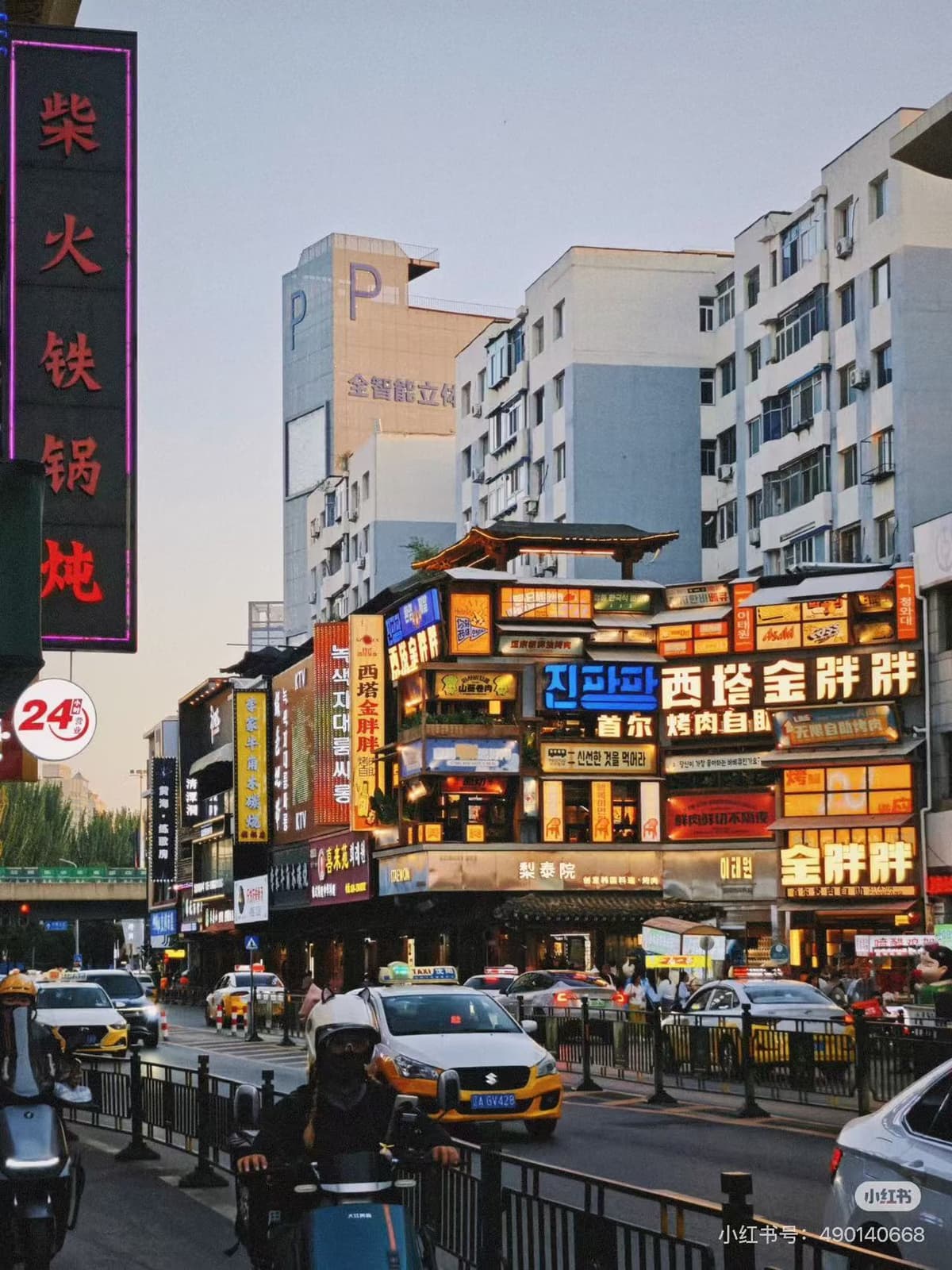
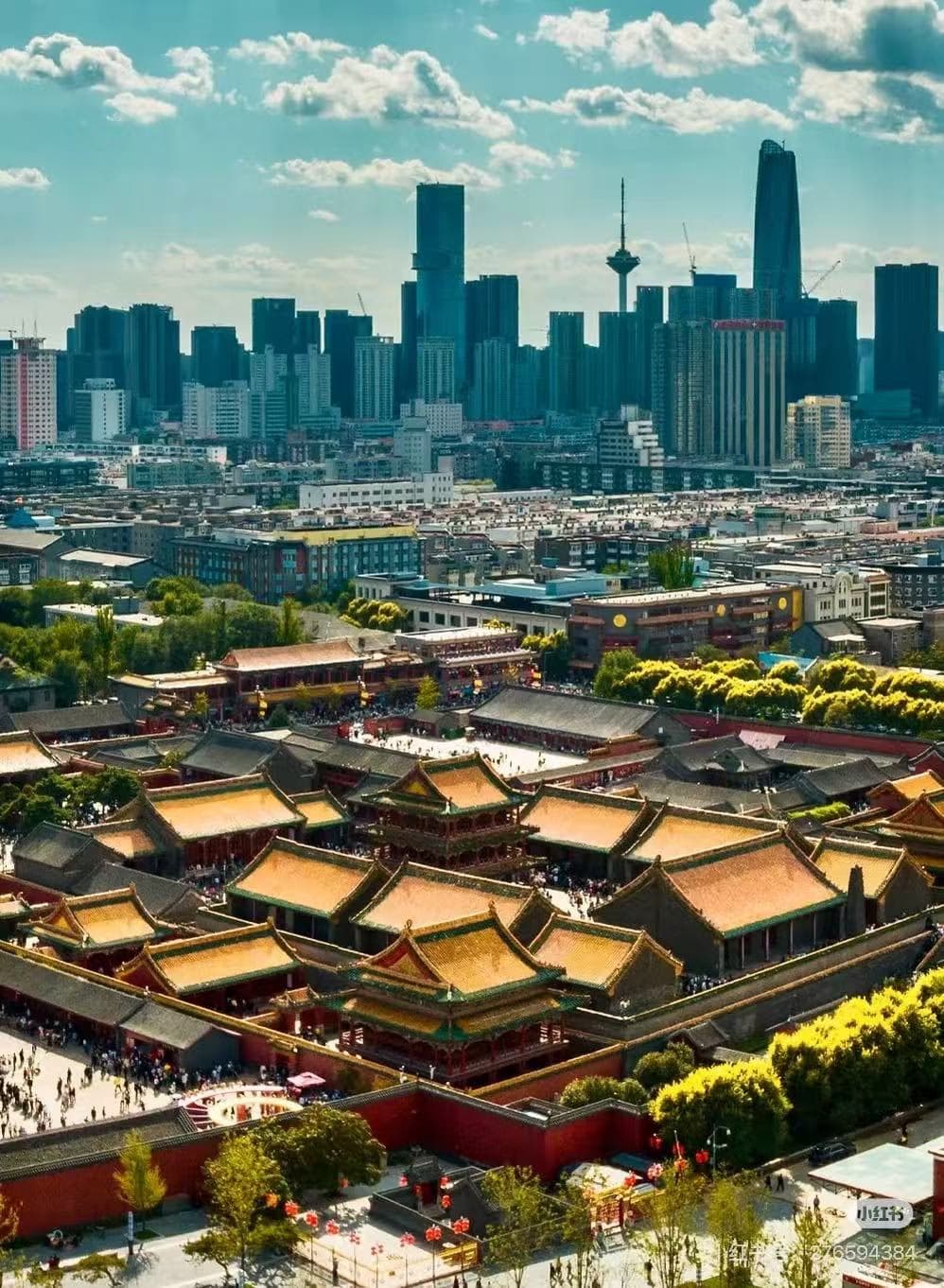
When you drag the calendar slider on a flight app, Shenyang often earns an extra pause—that flash of red walls at the Mukden Palace, pine shadows at Beiling, the windows of the Marshal’s Mansion, and late-night grill smoke in Xita. The sooner those images land on your wish list, the sooner you want the season that fits your rhythm. The city wears four distinct faces: spring and autumn feel crisp and ideal for stringing the palace and tomb into one full day; summer brings long daylight and lively night markets; winter is dry-cold but memorable, and once district heating switches on, hotels, malls, and most residential buildings run warm—often much warmer indoors than outdoors. Those few seconds in the foyer adding or shedding a layer are a local ritual too. That sharp indoor-outdoor swing is part of why some travelers schedule Shenyang specifically for winter. Flying from Bangkok or Guangzhou in deep winter, leave space in your suitcase for down layers; in spring through autumn you can pack lighter—hat, water bottle, and you’re set for sun or wind. If large bathhouses are your main theme, they stay rewarding year-round: soak through the chill in winter, escape the noon heat in summer—see the Northeast bath guide linked below. Around Qingming and National Day, the city fills with energy—come for the festival vibe, or shift your dates a day or two off the peaks for breathing room. Ordering with gestures plus a translation app is everyday stuff; set up scan-to-pay before departure (payment guide below). There’s no wrong month—only the calendar row that hasn’t matched your trip yet—the quick table helps you pair faster.
Quick reference
| Angle | Spring (Mar–May) | Summer (Jun–Aug) | Autumn (Sep–Nov) | Winter (Dec–Feb) |
|---|---|---|---|---|
| How it feels | Still warming; winds bite; Apr–May layers work well | Midday often near 30°C, moderate humidity; thunderstorms possible | Dry and mild—October is great for walking | Dry cold; nights often −15°C to −25°C range; radiators blast indoors |
| Contrast with home | Temperate early spring, but windier | Think humid-city summer—don’t muscle through noon sun | Feels like crisp North American or Central European fall | Much colder than South China or Southeast Asia—grip soles matter |
| Crowds | Qingming & Labor Day spikes | School summer holidays, families | National Day week packs everything; right after Oct 8 it eases | Busy around Lunar New Year; otherwise often quieter |
| Best fit if you… | Want outdoor sights without deep winter | Must travel in July–August | Want Mukden → mansions → Zhongjie in one swing | Chase lower fares and own serious cold gear |
| Pause if you… | Pollen issues with no mask | Hate sun exposure but insist on noon hiking | Fixed dates in Golden Week but hate queues | Won’t buy down or grip boots coming from the tropics |
Short answers:
- Most first-time overseas visitors: aim for mid/late April–early May (skip Qingming day & Labor Day week) or after Oct 8 through early November.
- Locked to summer break: run early mornings at sights, malls or spas at midday, streets again after dusk.
- Budget-first and gear-ready: December–February (avoid Lunar New Year peak) often brings friendlier air and hotel rates—after non-slip boots and down go in the bag.
Spring (March–May): Your gentle introduction to Northeast China
Weather: March still feels like winter’s tail on many days; April stretches daylight; May can flirt with early summer. A jacket with a removable liner beats one giant coat—subways and shops still run heat.
Why it works:
- Mukden Palace and the Marshal’s Mansion are mostly courtyard walks—spring beats peak humidity for lining up outdoors.
- Beiling Park greens up; around Qingming you’ll sometimes see short flower events (names and dates move yearly—check the park’s official social feed before you go).
- Evenings cool down in time for Xita grills without wrestling a parka at the table.
Trade-offs:
- Qingming (~Apr 4–6) and Labor Day (May 1–5) are legal long weekends—locals move, hotels rise, taxis queue. If your passport holidays collide, lock hotels ~3 weeks ahead.
- April can bring poplar/catkin fluff—masks beat antihistamine regrets.
Best for: First-time Northeast visitors who want “open sights + not brutal cold.”
Summer (June–August): Keep the worst heat outside the itinerary
Weather: Strong UV; afternoon pavers radiate heat; Jul–Aug thunderstorms can flip sun to rain in half an hour.
Why it still delivers:
- Palace & mansions: the first hour after opening buys angled light and thinner crowds before big buses arrive.
- Mega bath complexes (pools, scrub, buffet under one roof) are a year-round social habit—summer is a legit excuse to escape midday sun (flow in the bath guide below).
- Xita grills and beer fit sunset onward.
Trade-offs:
- Standing noon-exposed at the palace square or Zhongjie can feel Bangkok-hot with slightly lower humidity—sunscreen, hat, water bottle are non-negotiable; elders and kids should skip 11:00–15:00 outdoor marathons.
- Global summer holidays overlap—restaurant waits stretch.
Best for: Families or teachers only free in July–August—accept a two-part daily rhythm and you’re fine.
Autumn (September–November): Sweet spot for many overseas visitors
Weather: September may hold summer echoes; early–mid October is often “one jacket” weather; November cools fast—late month wants down.
Why veterans recommend it:
- Dry air and visibility make Mukden’s red walls and Beiling’s pines pop for phones and cameras.
- Walking strings palace → mansions → Zhongjie → Xita without losing afternoons to heatstroke.
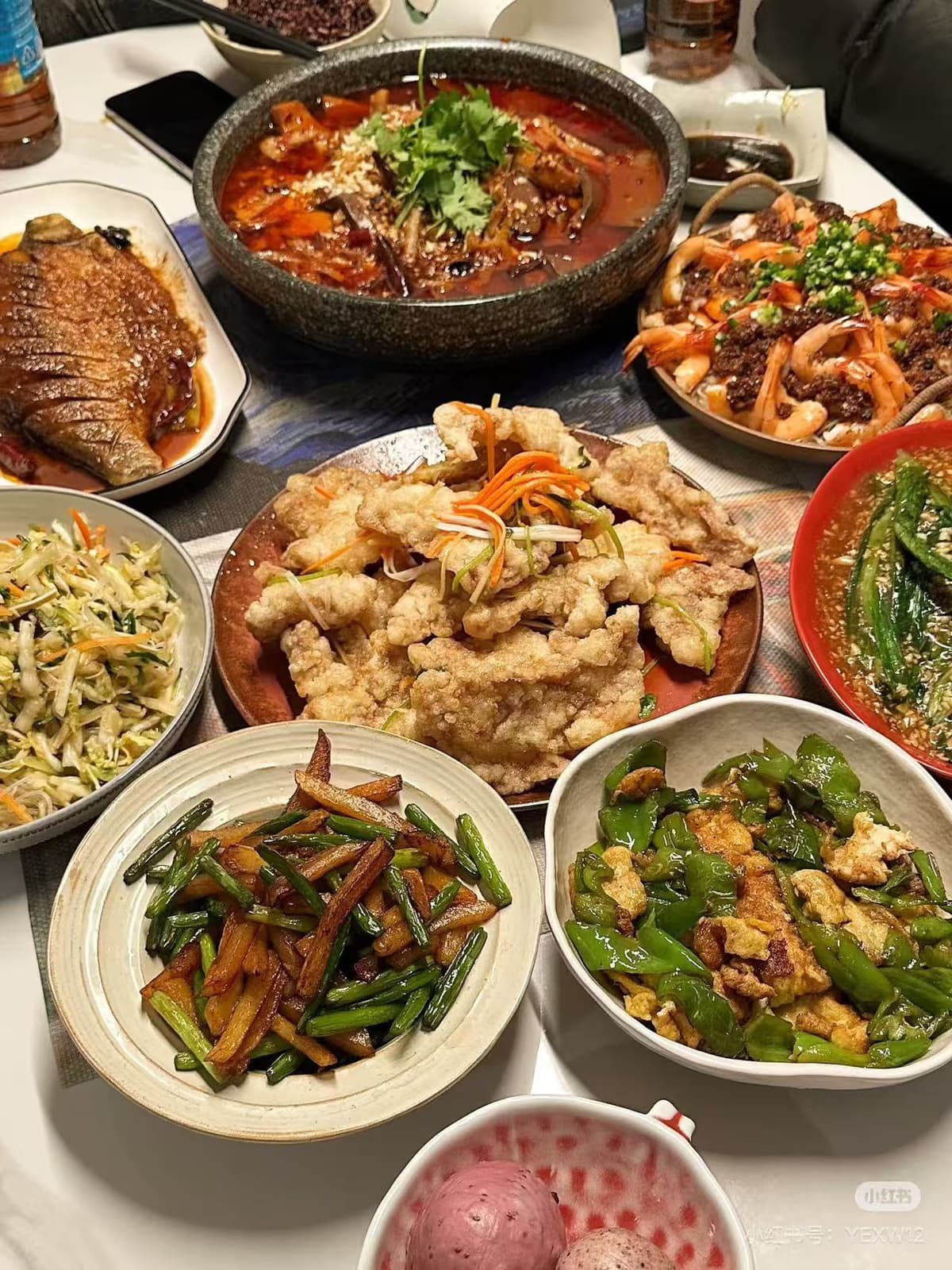
- Hearty dumplings and stews taste even better as temperatures dip (ordering tactics live in the city guide’s food section).
Trade-offs:
- Oct 1–7 National Day Golden Week is one of China’s busiest travel waves—trains sell out, palaces and metro pack tight. If that week is fixed, book timed tickets and hotels early and shift popular restaurants past 20:00.
- From Oct 8 onward, crowds and prices often drop sharply—a reliable “shoulder season” window.
Best for: Travelers who want UNESCO + Republican-era architecture in one efficient swing with forgiving weather.
Winter (December–February): Trade cold for calm—after gear checks
Weather: Classic continental dry cold—wind can sting cheeks; stepping indoors means instant sweat. Snow isn’t guaranteed drama—you might get ink-wash scenes, or dry skies with no flakes; don’t pin the whole trip on “blizzard photos.”
Why people still choose it:
- International low season + softer hotel rates (except Lunar New Year) helps budget minds.
- Snow-days rewrite Mukden Palace and Beiling moods versus warm months.
- Radiators run hot: museums, malls, and spas often see locals in tees—pack onion layers, not only one ultra-thick shell.
Trade-offs:
- Tropical passports without grip boots, gloves, ear coverage may bail on day one. On icy pavement don’t copy locals darting diagonally.
- Around Lunar New Year (roughly lunar Dec 25–Jan 15 corridor) shops fragment hours and venues post notices—screenshot official bilingual feeds before flying.
Best for: Travelers who treat Northeast winter as the experience, not a bug, and can spare suitcase space for real cold gear.
Public holidays you might not know—but your calendar will
These dates move national schedules—foreign passport holders get swept into the same queues:
| Holiday | Typical window | What changes |
|---|---|---|
| New Year’s Day | Jan 1–3 (± make-up workdays) | Short-trip surge—manageable |
| Spring Festival / Lunar New Year | ~1 week bracketing Lunar New Year’s Day (Gregorian date shifts yearly) | Mixed shop closures; massive travel rush |
| Qingming | ~Apr 4–6 | Tomb-sweeping + park outings; traffic near cemeteries/parks |
| Labor Day | May 1–5 | “May Golden Week”; Shenyang as a rail hub feels it |
| National Day | Oct 1–7 | Peak domestic tourism week |
Ops checklist:
- Search “State Council + year + holiday arrangement” for the PDF with official swaps (sometimes weekends become workdays).
- Mukden Palace is closed Mondays unless the museum’s holiday calendar says otherwise—plan indoor/alternate sights that day (details in the palace guide). Marshal’s Mansion often follows Monday closures too; verify the venue’s same-week notice before locking a tight loop.
- Ride-hailing surges during long breaks; overseas cards don’t always bind—carry cash backup.
Match the guide to your passport situation
| Your profile | Suggested window | Notes |
|---|---|---|
| First China trip, Shenyang is stop one | Non-holiday May / mid-late October | Easier jet lag + gentler food transition |
| Young kids + stroller | Late spring or early autumn | Extreme heat/cold inflate parenting costs; palace stone can jolt wheels—go compact |
| North America/Europe winter break (~2 weeks) | Check overlap with Chinese Spring Festival; if yes, prefer deep autumn | Spring Festival crush is extreme |
| Southeast Asia resident, cold-sensitive | Avoid Dec–Feb unless you invest in gear | Extra down beats optimism |
| Photography-led | Clear autumn days or fresh snow mornings | Cold drains batteries—tuck power banks near body heat |
| Food-first routing | Any season | Summer nights + spas; winter stews—pair city guide + food features |
Booking & packing tied to season
- Tickets: Mukden Palace & mansions may use timed entry on peak days; overseas SMS can glitch—pre-bind email or WeChat where offered.
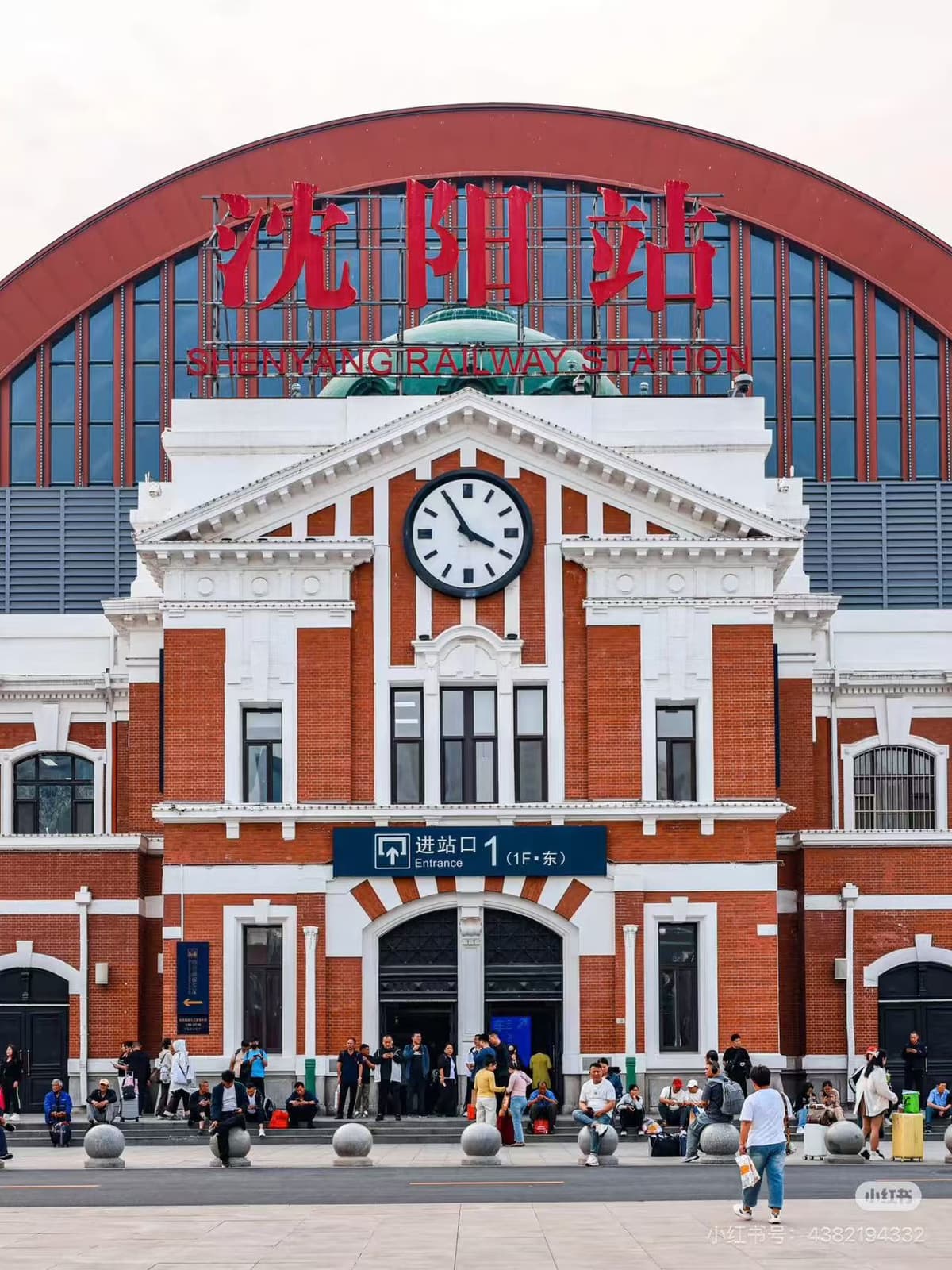
- International connections: Common hops via Beijing, Shanghai, Guangzhou, or Seoul—blizzards occasionally ripple schedules; ≥3-hour layovers in winter feel safer.
- Payments: Alipay / WeChat Pay foreign-card rules shift—run a small test payment before departure (guide below).
- Clothing: Spring/autumn—packable windshell; winter—stash thick socks + thin base tees for overheated rooms.
- Bathhouses: Weekend scrubs may issue queue tokens; for quieter halls try weekday afternoons (flow in bath guide).
Shenyang won’t hand you one universal “best month”—it hands you the window that fits your visa holidays, cold tolerance, and budget. Most first-timers win by spring or autumn outside legal long weekends, placing palace & Beiling in the best light hours and Xita & spas after dark.
- Shenyang City Guide — districts, metro, food overview
- Mukden Palace Visitor Guide — tickets, slots, Monday closures
- Zhaoling (Northern Tomb) Guide — park vs tomb pacing
- Northeast China Bathhouse Culture — scrub queues & etiquette
- How to Pay in China — apps, cards, cash backup
Beyond the city guide’s dining chapter, browse the series Northeast food walkthrough and Xita evening pieces on the site map when you’re ready for deeper rabbit holes.