Last updated: May 2026.
At a Glance
| Item | Details |
|---|---|
| Best time to visit | March–May, September–November (avoid July–August peak crowds and heavy rain) |
| Recommended stay | 3–4 days: Old Town 1 day + Jade Dragon Snow Mountain 1 day + Tiger Leaping Gorge optional 1–2 days |
| Budget per day | Mid-range ¥350–600 (accommodation, food, local transport); Jade Dragon Snow Mountain: entrance ¥130 + Glacier Park gondola ¥180 + bus ¥20 — book gondola online in advance |
| Getting there | From Dali: high-speed rail ~2 hours, from ¥72; from Kunming: fly ~50 minutes |
| Known for | Naxi Old Town (UNESCO World Heritage), Jade Dragon Snow Mountain, Tiger Leaping Gorge, Tea Horse Road history |
| Special requirements | Old Town maintenance fee ¥50; Jade Dragon Snow Mountain gondola tickets must be booked online in advance — no walk-up counter |
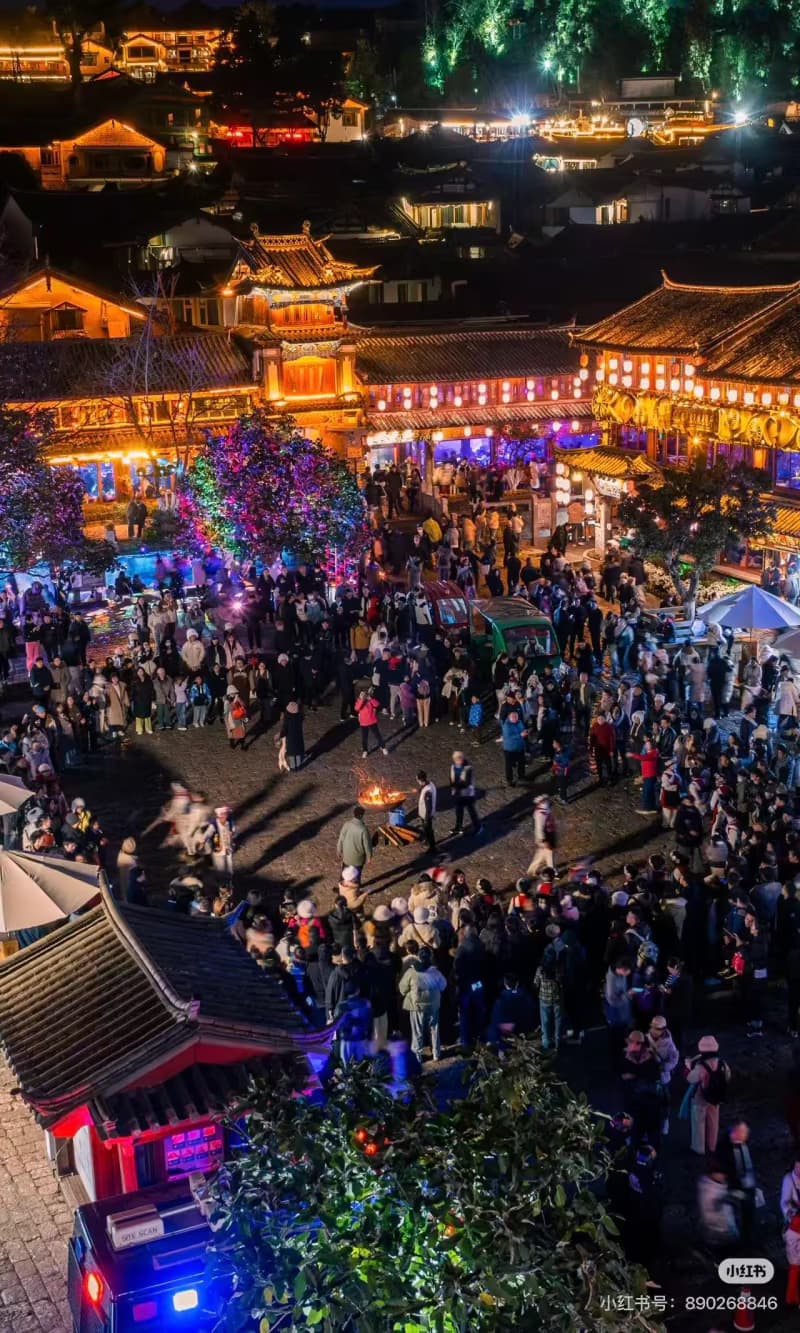
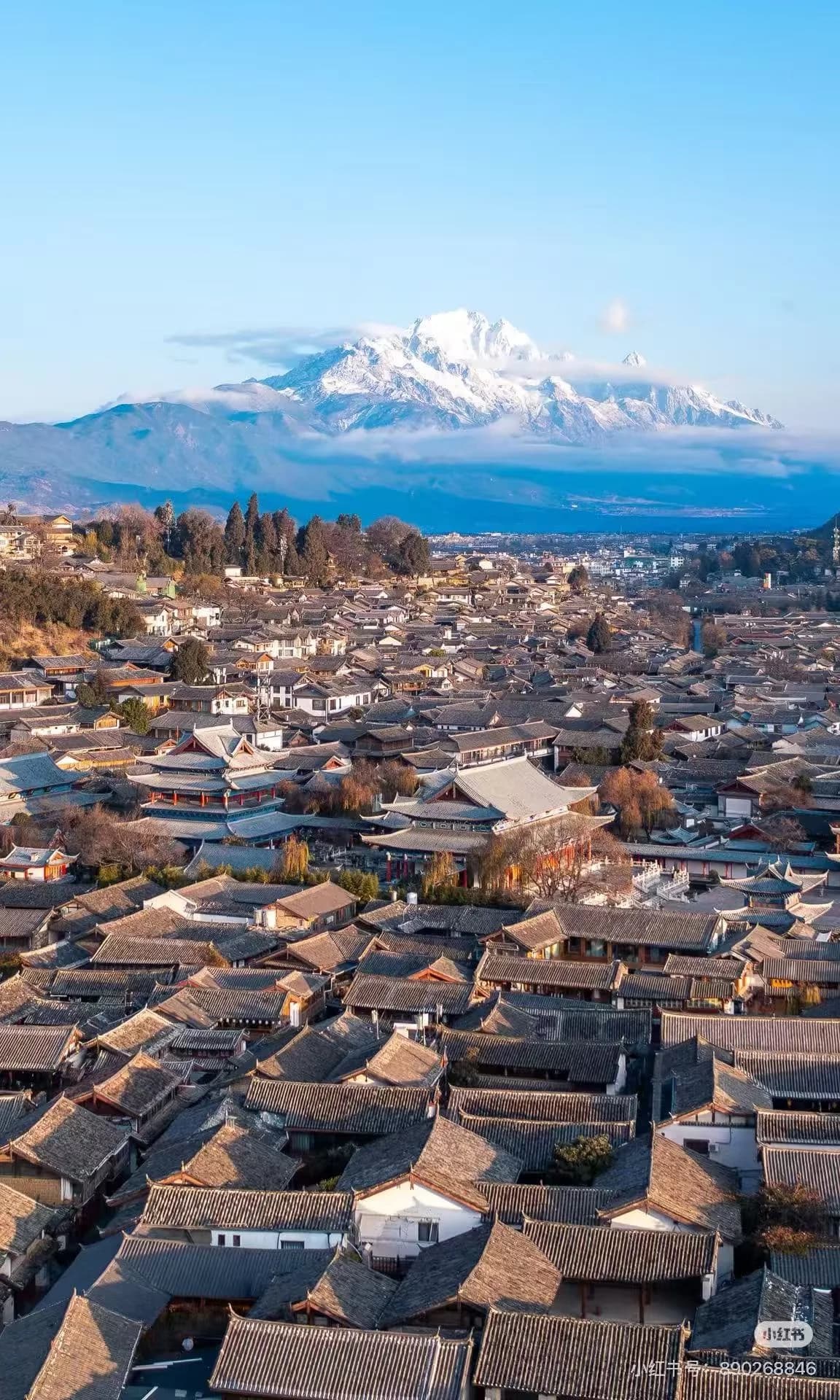
The Tea Horse Road ran southeast from Tibet, through the foothills below Jade Dragon Snow Mountain, and stopped at a basin where several rivers converged. That stopping point became Lijiang. Unlike most historic towns in China, Lijiang has no city wall — the Naxi people relied on terrain and trade networks rather than fortifications, a deliberate choice that left the town unusually open in its design. The streets are paved with five-colored stone, smooth from centuries of foot traffic, with branches of the Yu River running under stone bridges on either side. The buildings and waterways are genuinely old. The shops occupying their ground floors are largely not.
Why Lijiang Belongs in Your China Trip
Treating Lijiang as a historic town to walk around is likely to disappoint. Treating it as a base for the surrounding high country is a different calculation.
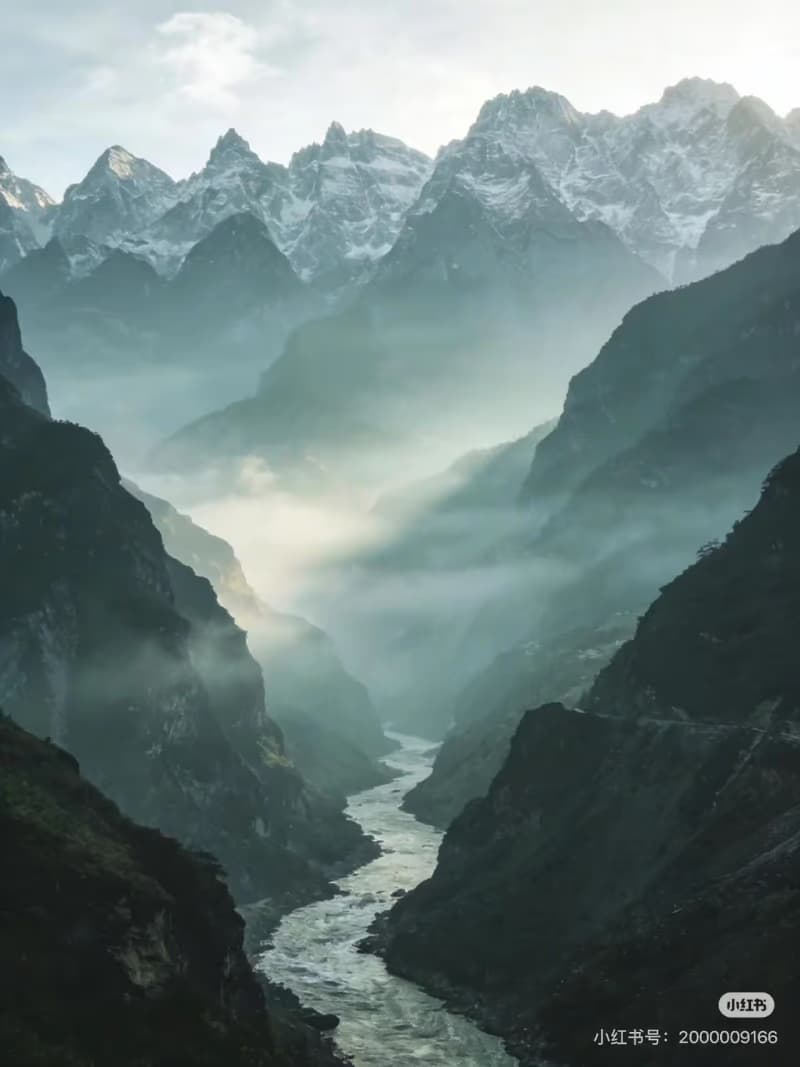
Jade Dragon Snow Mountain is 30 minutes by car from the Old Town, with gondolas reaching 4,680 meters into the glacier zone. Tiger Leaping Gorge — a canyon more than 3,000 meters deep, with the Jinsha River running through the bottom — starts 1.5 hours away. The two-day high trail is the most logistically accessible serious trek in Yunnan, and Lijiang is the closest practical departure point.
The Old Town itself is a genuine UNESCO World Heritage Site, not a reconstruction. Mu Family Mansion, Sifang Square, and the Yu River canal system are real remains from one of the busiest hubs on the Tea Horse Road. Walk away from Sifang Square toward the quieter lanes, and the commercial density drops quickly. The further you go, the more you find courtyards where people still live.
Ways to Experience Lijiang
Jade Dragon Snow Mountain
30 minutes by car from the Old Town. The upper gondola reaches a viewing platform at 4,680 meters in the glacier area. Altitude response varies — some visitors develop headaches or shortness of breath above 4,500 meters. Oxygen canisters are available to rent at the park for ¥50–80. Gondola tickets are quota-controlled. During peak season, book online at least 2 days ahead — there is no walk-up ticket window for individual travelers. Jade Dragon Snow Mountain
Tiger Leaping Gorge
1.5 hours by car from Lijiang. The classic route is the high trail: roughly 20 kilometers one way, 5–7 hours of hiking, with sections running along exposed cliff edges. Not suitable for anyone with a fear of heights. Most visitors plan one night at a guesthouse inside the gorge, then continue or return the following day. No technical skills required, but the sustained elevation gain is real — some prior hiking experience helps. Tiger Leaping Gorge
Lijiang Old Town Walk
The core of the Old Town centers on Sifang Square and Mu Family Mansion, with five-colored stone paving, Naxi wooden courtyard houses, and the Yu River threading through. Before 8 a.m., the crowds are minimal — the best light of the day, and a few older residents still opening up for the morning. Mu Family Mansion (¥60) was the residence and governing seat of the Naxi chieftains for over 400 years; the layout of the main hall, assembly chambers, and garden is the clearest way to understand how the Naxi ran this place. Lijiang Old Town
Naxi Music Performance
Naxi classical music was brought in from central China and preserved by the Naxi people across several hundred years. Today's performers are mostly elderly Naxi musicians in their 60s and 70s — that is part of what makes attending worthwhile. Tickets run ¥120–160 at established venues. The Old Town has commercial street shows using the same label; confirm you are going to an actual performance venue before handing over money at the door. Naxi Music and Culture Evening
Shuhe Ancient Town Half-Day
6 kilometers from the Old Town. Lower commercial density, smaller canals, stone paving, and a morning market that still serves local residents. A useful option when the Old Town is overcrowded, or a quieter way to close out the afternoon. 15 minutes by taxi from the Old Town, or bikeable. Shuhe Ancient Town Half-Day Walk
Lashi Lake — Horse Riding and Birdwatching
15 kilometers from the Old Town: a high-altitude lake set in open grassland. Between November and March, migratory birds from Siberia arrive in significant numbers. Year-round, horse rides along the lakeshore run about ¥120–180 per hour on flat, easy trails — no prior experience needed. 30 minutes by taxi; no advance booking required.
What to Eat in Lijiang
Naxi food is milder than most Yunnan cuisine — less spice than Xishuangbanna, less sourness than Kunming. Portions are filling and the ingredients are straightforward.
Lijiang Baba (¥5–10)
A Naxi flatbread baked from wheat flour. Savory versions are filled with egg and pickled vegetables; sweet versions are spread with rose jam. Easiest to find near Sifang Square in the morning, straight off the griddle.
Yak Meat (¥30–80)
From plateau herds, with firmer, more textured meat than standard beef. Common preparations are charcoal-grilled cuts and dry-pot dishes. Dried yak jerky is widely available to take away. Look for signs marked "high-altitude yak."
Cured Pork Rib Hot Pot (¥60–120)
Pork ribs are salted, spiced, and air-dried before slow braising. Clear broth, tender meat, low heat level. A standard item at any restaurant advertising Naxi cuisine — a reliable main dish if nothing else on the menu looks familiar.
Black Bean Tofu (¥10–20)
Made from black soybeans rather than white, with a dark grey color and firmer texture. Usually grilled over charcoal and served with chili powder or a dipping sauce. More common at street-side grill stalls in the side lanes than in sit-down restaurants.
Where to eat: Morning market around Sifang Square for baba and rice noodles; the side lanes beneath Lion Hill for smaller, more local-facing restaurants; Xinyi Street for the main tourist dining strip. The large restaurants in the center of the main streets charge more and deliver less — avoid them.
Where to Stay in Lijiang
[Best Atmosphere] Inside the Old Town
Walking distance to everything in the Old Town. Most accommodation is in converted Naxi courtyard guesthouses, ¥150–450 per night. During peak season (May–October), bars in the area generate noise on weekend nights — when booking, specifically ask for a room facing away from Sifang Square.
Good for: 2–3 night trips; first-time visitors to Lijiang Note: Book 1–2 weeks ahead for Golden Week and summer holidays
[Quieter] Around Shuhe Ancient Town
6 kilometers from the Old Town. Quieter setting, small canals nearby, ¥100–300 per night — roughly 30% lower than equivalent Old Town options. Getting to the Old Town requires a taxi (¥25–30) or cycling.
Good for: Stays of 4+ nights; travelers who prioritize sleep quality Note: Late-night taxis occasionally surge in price
[Convenient for Transit] New Town
Close to Lijiang rail station and long-distance bus terminal, ¥80–200 per night. No Old Town character, but the right choice if you are catching an early departure for Tiger Leaping Gorge or leaving Lijiang the next morning.
Good for: One-night layovers; early departures
Search by area on Booking.com or Trip.com.
Getting to Lijiang and Getting Around
Getting to Lijiang
From Dali (recommended)
High-speed rail runs roughly 8 times daily, taking about 2–2.5 hours from ¥72. From Lijiang station, a taxi to the Old Town is 30–40 minutes and costs ¥60–80. An airport bus runs directly to the Old Town for ¥15.
From Kunming
- By air: Lijiang Sanyi Airport (LJG), ~50-minute flight; total travel time including airport transfers is about 3 hours. Book early in peak season — prices move significantly
- By rail: Kunming → Dali → Lijiang, around 4.5–5 hours total, no airport time needed
Kunming to Dali to Lijiang by High-Speed Rail
Getting Around Lijiang
The Old Town core is pedestrian-only; luggage transport by electric cart is available for ¥5–10. Jade Dragon Snow Mountain: Shared minibuses from the main transport hub near the Old Town entrance, or private car hire — round trip takes roughly half a day including gondola time. Tiger Leaping Gorge: A daily morning bus departs from outside the Old Town for ¥25–35, or hire a car for ¥350–500 return. Lashi Lake and Shuhe: Both are straightforward by Didi — no need for a full-day car charter.
Before You Go
- How to Pay in China — Alipay and WeChat Pay work at almost all places in the Old Town; carry ¥100 in cash for market stalls and older vendors
- Staying Connected in China — 4G signal is reliable throughout the Old Town and in Shuhe
- China Visa Guide
Lijiang-specific notes:
- Lijiang sits at 2,400 meters. Mild altitude effects — headache, tiredness — are possible on the first day and typically ease with rest. Anyone with heart or lung conditions should check with a doctor before the trip
- Jade Dragon Snow Mountain reaches 4,680 meters; the altitude risk is significantly higher there. Go light on exertion, rent oxygen if needed, and do not push through severe symptoms
- The Old Town maintenance fee is ¥50 (reduced from ¥80 as of August 2025), collected at main entry points. Keep the receipt — valid for unlimited re-entry for 365 days, and also covers Shuhe and Baisha
- Jade Dragon Snow Mountain gondola tickets are quota-limited. During peak season (May–October), book at least 2 days ahead online. There is no walk-up window for individual travelers.
Shuhe is 6 kilometers from the Old Town; Baisha is 12. Both have far lower commercial density than the main Old Town, and both still have local residents going about their days. Baisha holds Ming dynasty murals — painted during the Naxi chieftains' rule, with imagery that mixes Tibetan Buddhist, Taoist, and Han Chinese elements, with no single origin dominating any of it. That mix is not incidental: the Naxi were the intermediaries of the Tea Horse Road, everything passed through here, and traces of everything stayed. Spend three days in Lijiang without piling them all into the blocks around Sifang Square, and the place has considerably more to give than most people expect going in.
Related Guides:
- Jade Dragon Snow Mountain — gondola booking, altitude prep, and what to expect at 4,680 meters
- Tiger Leaping Gorge — the two-day high trail in full
- Kunming to Dali to Lijiang by High-Speed Rail — planning the Yunnan rail journey
- Dali City Guide — the other stop on the Yunnan circuit