Last updated: May 2026. Market layouts and hours subject to change—verify before travel.
What Is Yiwu?
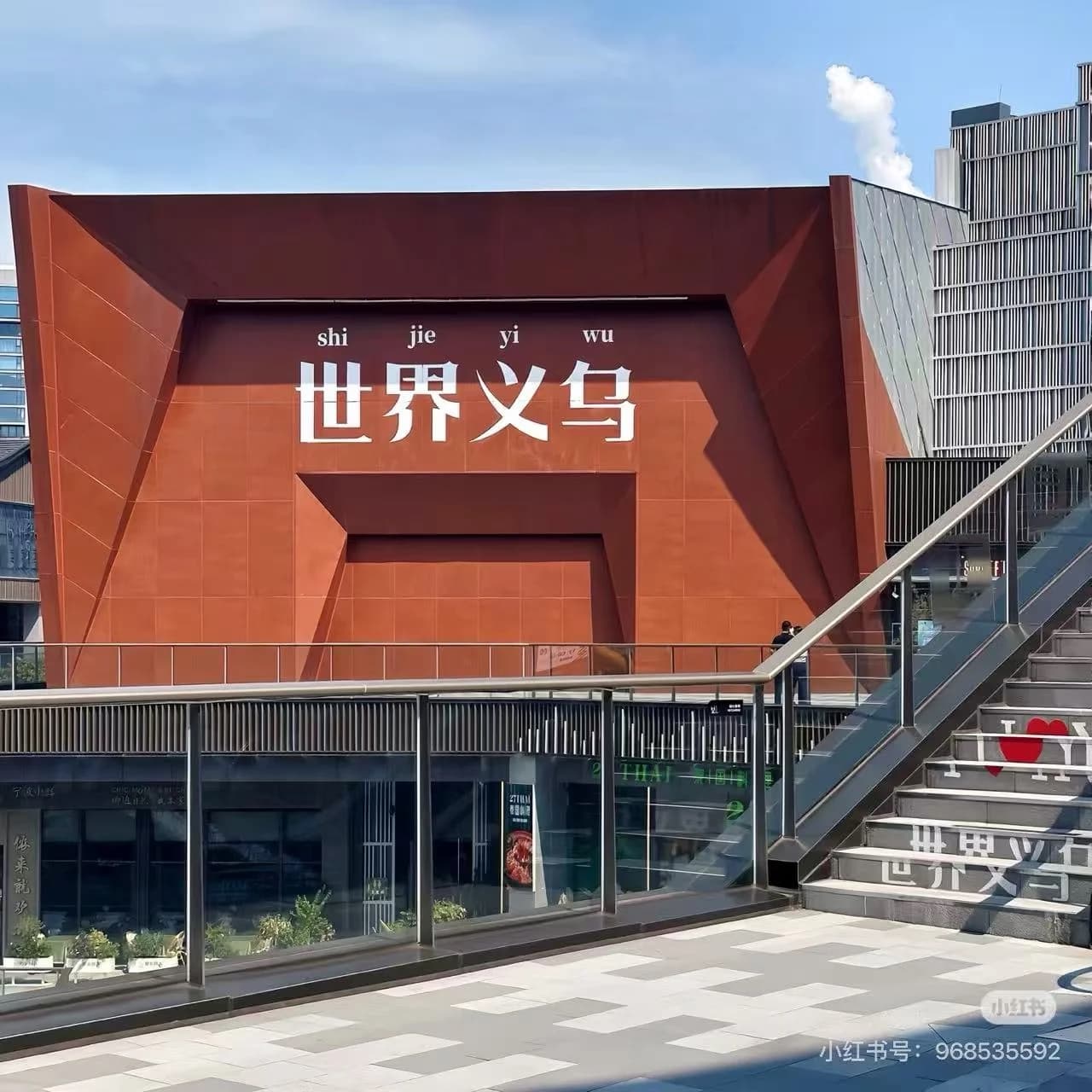
Yiwu is not a tourist city in the traditional sense. It doesn't have historic landmarks like the Forbidden City or the Great Wall, nor natural scenery like Guilin or Zhangjiajie. But this city has a unique appeal—it's the world's largest small commodities distribution center, a modern city that rose to prominence through trade.
Walk through Yiwu and you'll find streets filled with foreign buyers, Middle Eastern restaurants outnumbering Chinese ones, and everyone talking business, sourcing, and prices. There are no "attractions" here, but the entire city is a massive commercial ecosystem.
The heart of Yiwu is the International Trade City. Covering over 4 million square meters with 75,000 shops and more than 2 million types of products, it's the world's largest small commodities wholesale market. Five districts stretch along Chouzhou Road for 4-5 kilometers, each a giant shopping mall connected by corridors. But the trade city is just one part of Yiwu, not the whole story.
In one sentence: Whether you want to test the waters of small business or are simply curious what the "world's supermarket" looks like, Yiwu is worth a visit—though your purpose determines which Yiwu you'll see.
Is Yiwu Right for You?
Might be a good fit if you:
- Are considering starting an online or physical store and looking for product sources
- Are simply curious what the "world's supermarket" looks like
- Are interested in the atmosphere of an entrepreneurial city where everyone's talking business
Probably not a good fit if you:
- Expect traditional tourist attractions
- Only enjoy natural scenery and have no interest in markets and people
- Have zero tolerance for hustle and bustle
How Big Is Yiwu? Getting a Sense of Scale
The five districts of Yiwu International Trade City are massive structures connected along Chouzhou Road, stretching about 4-5 kilometers total. Corridors link each district, so theoretically you can walk from District 1 to District 5 without going outside—but it's exhausting.
Free shuttle buses run between districts inside the complex, or you can take a taxi directly to any district entrance from outside.
First-timers should start with District 1: The most visually stimulating and visitor-friendly.
What each district specializes in:
- District 1: Flowers, toys, jewelry, crafts—most colorful, most visitors, ideal first stop
- District 2: Hardware tools, clocks, umbrellas—industrial feel, skip if not professional sourcing
- District 3: Stationery, sporting goods, cosmetics—mainly wholesale, limited retail
- District 4: Socks, hats, textiles—massive textile district
- District 5: Imported goods, auto accessories—ground floor is Global Imported Goods Center, good for snacks and souvenirs, visitor-friendly
Hours: Generally 9:00 AM–5:00 PM (some districts until 5:30 PM). Vendors start packing up around 4:30 PM—don't arrive too late.
How much time you need:
- 1 day: Visit 1-2 districts, get a basic impression
- 3 days: Deep dive into 2-3 product categories, plus city exploration
- 1 week: Systematic sourcing for serious buyers
What You Can Do as a Visitor
Explore the Market (Like Visiting a Giant Museum)
Even if you're not buying, wandering Yiwu International Trade City is an experience:
- See what the "world's supermarket" actually looks like—everything from 10-cent keychains to hundred-dollar crafts
- Watch buyers from around the world negotiate with vendors (many use calculators to haggle)
- Pick up small souvenirs in District 1 or District 5 (many trinkets cost just a few RMB)
Retail reality:
- Retail-friendly areas: District 1 (jewelry/toys), District 5 (imported goods), 5th floor of District 4 (tourist shopping center)
- Likely wholesale-only: Many shops in Districts 2 and 3 may say "no retail"
- Strategy: When interested in something, ask first: "Can I buy just one?"
Nightlife
Yiwu's nightlife includes: Santing Road Night Market (the city's largest), Jiming Pavilion night views, and cafes/bars at the 1970 Creative Park.
Dining
- Middle Eastern cuisine: Thanks to the large Arab merchant community, Turkish kebabs and hand-grabbed rice are authentic here
- Korean food: An entire street of Korean restaurants in the Korean Business District
- Local snacks: Donghe meat pancakes, brown sugar twisted dough
The City Itself
Yiwu has a large community of long-term foreign buyers. Merchants from the Middle East, Africa, Southeast Asia, and Korea have formed a genuine international community. If you want to test small business waters, there's an existing circle to plug into—you won't feel like the only foreigner.
Practical Tips for Buyers
If you're seriously sourcing, here's what to know:
Language: English proficiency is decent in District 1's jewelry area (it sells export goods), but other districts rely on translation apps. Prepare cards with key terms in Chinese.
Payment: Most vendors only accept Alipay or WeChat Pay. No credit cards, no USD cash. [How to set up→]
Logistics: Freight agents around the trade city can handle packing, customs, and shipping to your country.
Mindset: You won't find a bestseller immediately. Winning products emerge through trial and error, requiring multiple visits and relationship-building. First trips are mainly for making contacts and understanding the market.
Before-You-Go Checklist
If visiting as a tourist:
- [ ] Set expectations—this isn't a traditional tourist spot, but a "giant market + entrepreneurial city" experience
- [ ] Wear comfortable shoes—lots of walking
- [ ] Set up Alipay—credit cards barely accepted
- [ ] Bring a large bag or folding shopping bag—you might buy small items in District 1 or 5
If sourcing as a buyer:
- [ ] Define target product categories—know what you're looking for
- [ ] Set up mobile payment and test it works
- [ ] Allow sufficient time—you won't find good sources by rushing
- [ ] Prepare a notebook—record prices, item numbers, vendor contacts (many add WeChat)
Further Reading
- Canton Fair Guide — Better for B2B-focused business
- Trade & Business Guide — General China business travel tips
- How to Pay in China — Mobile payment setup guide


