Last updated April 2026. Verify before booking.
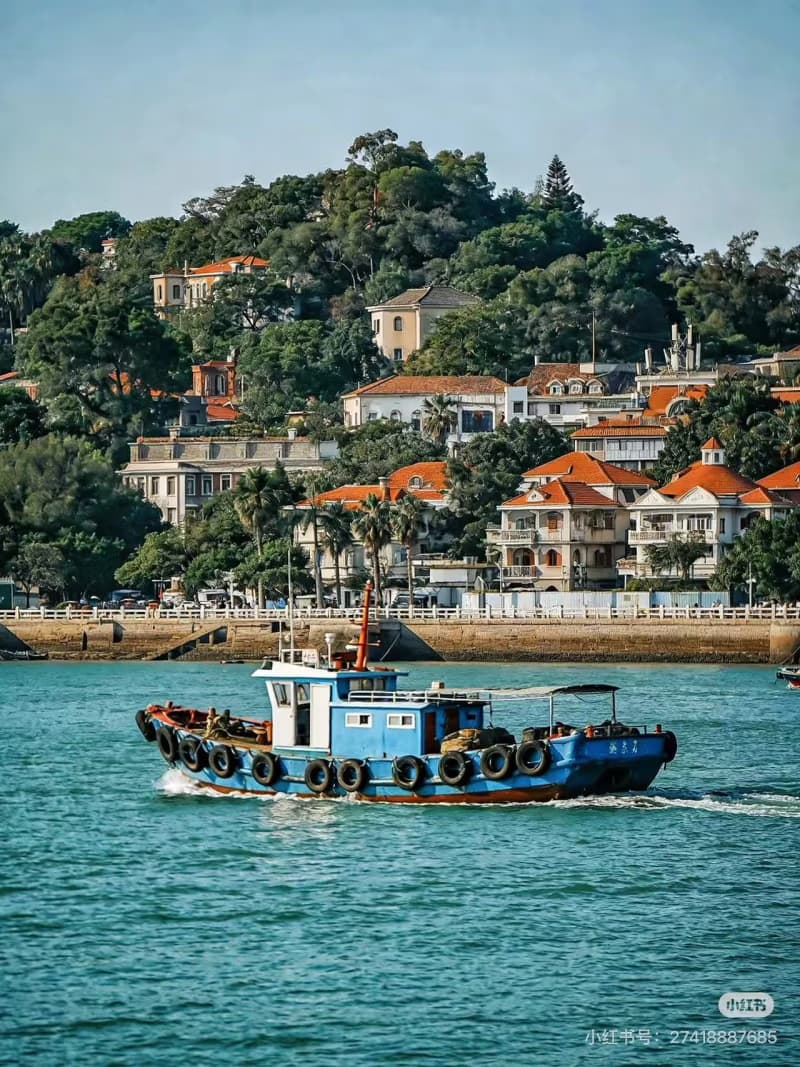
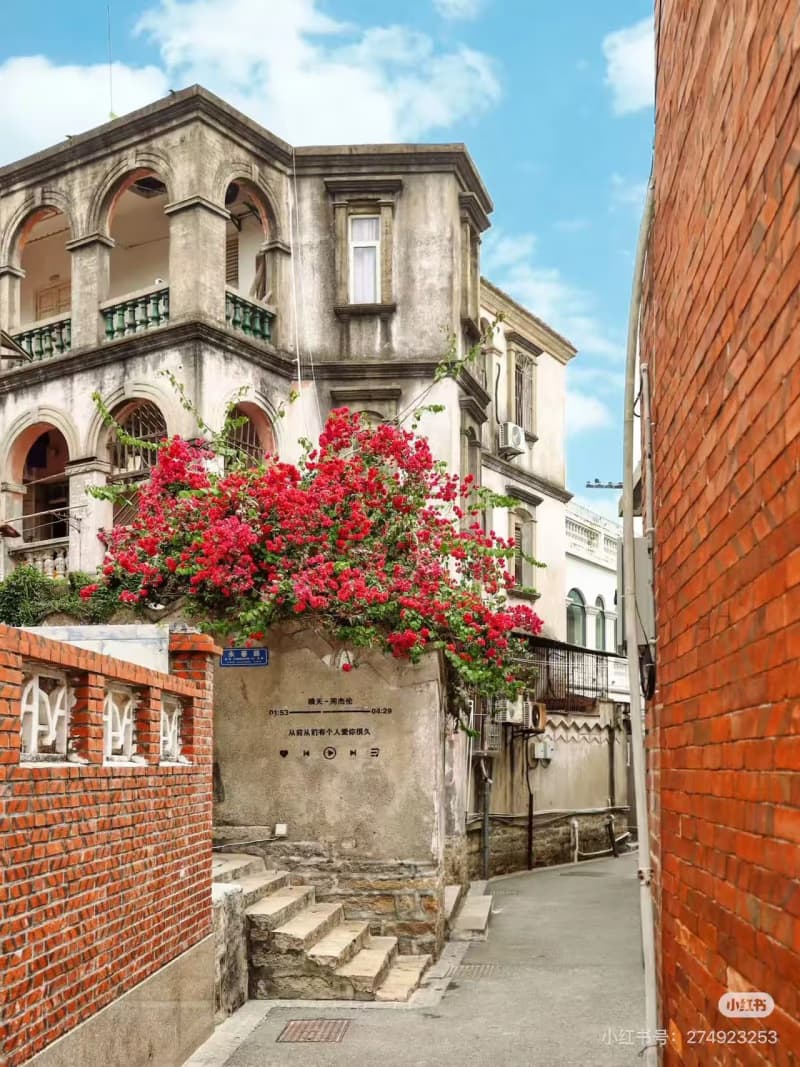
Morning on Gulangyu Island — no cars, no bikes, just narrow lanes between 1920s colonial mansions, someone selling peanut soup at a corner stall. Afternoon back on Xiamen Island, twenty minutes by metro to Zhongshan Road, where satay noodle vendors line up from one end of the alley to the other. Xiamen photographs well in almost any direction — blue sky, old buildings, coastline, and tropical plants all packed together. The city is straightforward to navigate: small enough to walk, well-connected by public transit, and easy to explore without much planning. You can show up without a detailed itinerary and the place essentially sorts itself out.
At a Glance
| Item | Details |
|---|---|
| Best time to visit | March-May, October-November (avoid typhoon season June-September) |
| Recommended stay | 2-3 days |
| Budget per day | Mid-range 400-600 yuan (accommodation, food, transport, admission) |
| Getting there | HSR from Fuzhou (2 hrs), Shenzhen (2.5 hrs), Shanghai (~6 hrs); Xiamen Gaoqi Airport (XMN) for domestic flights |
| Known for | Gulangyu Island (UNESCO), Minnan cuisine, colonial architecture |
| Special note | Gulangyu ferry tickets sell out in peak season — book at least 3 days ahead |
Why Xiamen Deserves a Spot in Your China Itinerary
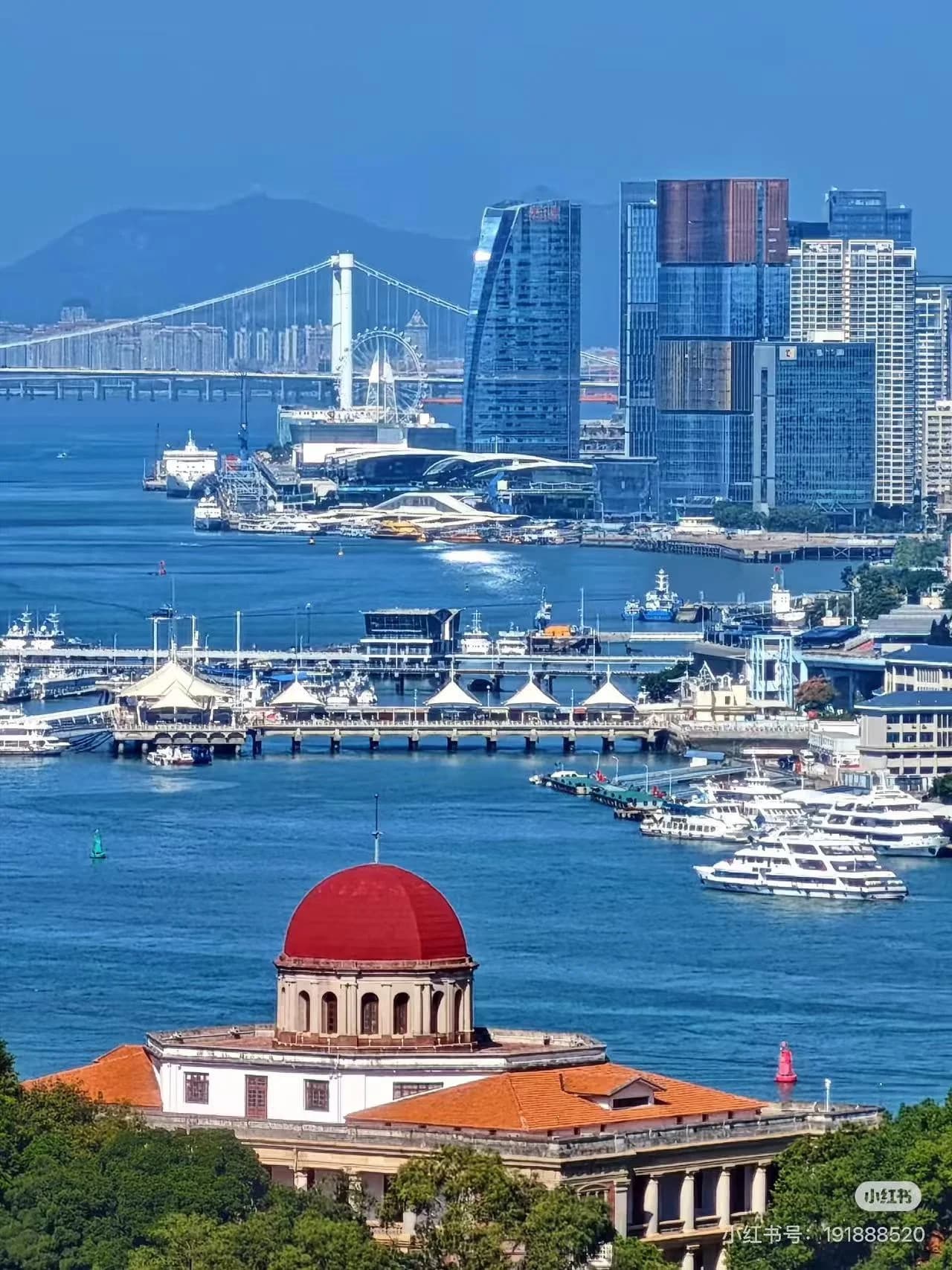
China has plenty of coastal cities — Qingdao has beer and German architecture, Sanya has beaches and resort hotels, Dalian has its northern port character. What makes Xiamen different comes down to two things. First, it's small: major attractions are all within 30 minutes of each other by metro or bus, and walking works for most of them. No rushing between sites, no early morning scrambles for tickets. Second, it's photogenic in a way most Chinese cities aren't — the proportions between coastline, colonial buildings, tropical greenery, and modern city blocks just work. It's not that individual sights are pretty; the entire city has strong visual cohesion. Cycling the Island Ring Road, wandering Gulangyu lanes, even ordinary street corners look good on camera. Xiamen fits into a China itinerary as the chapter where you slow down and just walk around.
Then there's Gulangyu. A five-minute ferry ride to a small island with no cars — not even bicycles. The entire island is a UNESCO World Heritage Site, covered in 19th and 20th century mansions built by foreign consuls and overseas Chinese merchants. There's nothing quite like it elsewhere in China.
Ways to Experience Xiamen
Gulangyu Day Trip
Take the ferry over and spend a full day on the car-free island. Colonial architecture, the world's largest piano museum, small beaches, cafes, and alleyways — no itinerary needed, just wander. Gulangyu Island
Eighth Market and Zhongshan Road Food Crawl
Eighth Market has been one of Xiamen's oldest markets since the 1920s. Go in the morning for seafood, then eat your way along Zhongshan Road pedestrian street — satay noodles, oyster omelettes, peanut soup, spring rolls. None of it costs much. Xiamen Seafood and Local Street Food
Island Ring Road Cycling
Xiamen Island has a coastal ring road with a dedicated bike lane. A full loop takes about 3-4 hours. If you're not in a rush, this is the best way to see Xiamen's coastline.
Gulangyu Architecture Walk
If colonial architecture interests you, there's a walking route on Gulangyu from the Bagua Building to the former American Consulate, connecting over a dozen buildings in different national styles. Gulangyu Architecture and Piano Museum Walk
Top Attractions in Xiamen
Gulangyu Island
UNESCO World Heritage Site. Ferry 35 yuan, no motorized vehicles on the island. Colonial-era architecture, piano museum, Sunlight Rock (the island's highest point, with views across Xiamen Bay). Peak season tickets sell out fast — book at least 3 days ahead via the WeChat ferry mini-program. Gulangyu Island
Nanputuo Temple
An important Buddhist temple in the Minnan region. Free admission (WeChat reservation required). Behind the temple, a trail leads up to Wulao Peak in about 20 minutes, with views over Xiamen University and the sea. Nanputuo Temple
Hulishan Fortress
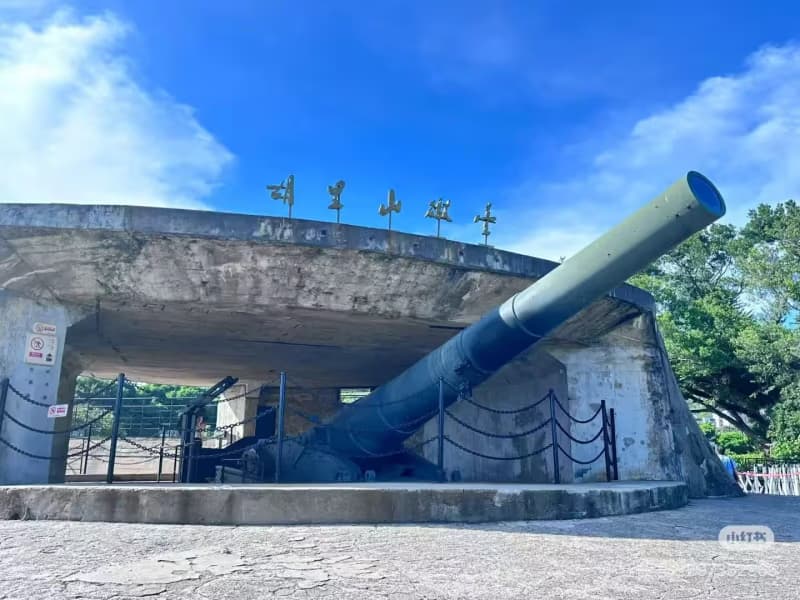
A Qing Dynasty military fortification. Admission 25 yuan. Houses a massive 1893 Krupp cannon purchased from Germany — one of the largest surviving coastal defense guns in the world. Hulishan Fortress
Xiamen Botanical Garden
Admission 30 yuan. Tropical and subtropical plant collections spread across a hillside. The cactus and succulent section is particularly photogenic. Go in the morning for fewer crowds and better light in the cactus area.
What to Eat in Xiamen
Satay Noodles (Shacha Mian)
Xiamen's signature dish — pork bone and shrimp broth with satay paste, toppings chosen by you. Each bowl runs 15-30 yuan depending on what you add.
Oyster Omelette (Hai Li Jian)
Fresh oysters mixed with sweet potato starch and egg, pan-fried and served with garlic chili sauce. Available everywhere around Eighth Market and Zhongshan Road.
Peanut Soup (Huasheng Tang)
A sweet soup where peanuts are simmered until they dissolve. Eaten for breakfast with fried dough sticks or steamed buns.
Popiah (Bo Bing)
Not a fried spring roll — this is served cold. A thin wrapper filled with over a dozen ingredients: vegetables, crushed peanuts, seaweed, pork floss, dipped in Xiamen-style sweet chili sauce.
Where to eat: Eighth Market for morning seafood and local snacks; Zhongshan Road pedestrian street for variety; Zengcuo'an village for a more relaxed, cafe-heavy scene.
Where to Stay in Xiamen
[Convenient] Zhongshan Road / Ferry Terminal Area
Closest to the Gulangyu ferry terminal, steps from Zhongshan Road pedestrian street and Eighth Market. Budget-friendly options concentrated here, 150-300 yuan per night for clean chain hotels.
Good for: First-time visitors, Gulangyu-focused itineraries Note: Zhongshan Road gets noisy at night — request a higher floor if sensitive to sound
[Laid-back] Zengcuo'an
Near Xiamen University and the Island Ring Road. Guesthouses and boutique stays in the 200-400 yuan range. Good for people who like beachside walks and small shops.
Good for: Couples, travelers who prefer a slower pace Note: Slightly further from central attractions, but buses and ride-hailing are easy
[On the Island] Gulangyu
Staying overnight means you get the island in early morning and evening, without the day-trippers. Prices run higher (400-800 yuan), facilities tend to be older. No ferry service after the last boat.
Good for: People who want to experience Gulangyu without crowds Note: Not great value for money — one night is enough for the experience
Getting to Xiamen and Getting Around
Getting to Xiamen
By train: Xiamen North Railway Station is the main HSR hub. Fuzhou to Xiamen takes about 2 hours, Shenzhen about 2.5 hours, Shanghai about 6 hours. Direct trains also run from Hong Kong West Kowloon. By air: Xiamen Gaoqi International Airport (XMN), connected to the city by Metro Line 4.
Getting Around Xiamen
Five metro lines cover major attractions and transport hubs. Buses and BRT (bus rapid transit) fill in the gaps. Ride-hailing via DiDi is cheap and widely available. Xiamen Island is compact enough that walking works for many routes.
Getting to Gulangyu requires a ferry — 35 yuan per person. Book ahead on the Xiamen Ferry WeChat mini-program. During peak season, same-day tickets are almost always sold out.
Before You Go
- How to Pay in China — Set up Alipay or WeChat Pay
- Staying Connected in China — SIM card and eSIM options
- China Visa Guide — Visa requirements and transit visa-free policies
Xiamen-specific tips:
- Gulangyu ferry tickets are extremely hard to get during peak season — book at least 3 days ahead via the Xiamen Ferry WeChat mini-program
- Typhoon season runs June through September — check forecasts, as ferries suspend service during typhoons
- Motorcycles and mopeds are banned on Xiamen Island — don't plan on renting one
- Cash is more widely accepted in Xiamen than in most Chinese cities (historical presence of Taiwanese tourists), but mobile payment is still recommended
Prices are indicative — confirm before booking.
Final Word
Xiamen isn't the type of city where you feel like you've checked off a list of major sights. It works better as a break in the itinerary — walk around Gulangyu, eat satay noodles, sit by the sea. If the rest of your China trip is packed with information-dense cities like Beijing, Shanghai, and Xi'an, putting Xiamen in the middle or at the end gives you a chance to slow down.
- Gulangyu Island — Ferry details, architecture, and piano museum guide
- Xiamen Seafood and Local Street Food — What to eat from Eighth Market to Zhongshan Road
- Shanghai to Nanjing by High-Speed Rail — East China HSR connections