Last updated: April 2026
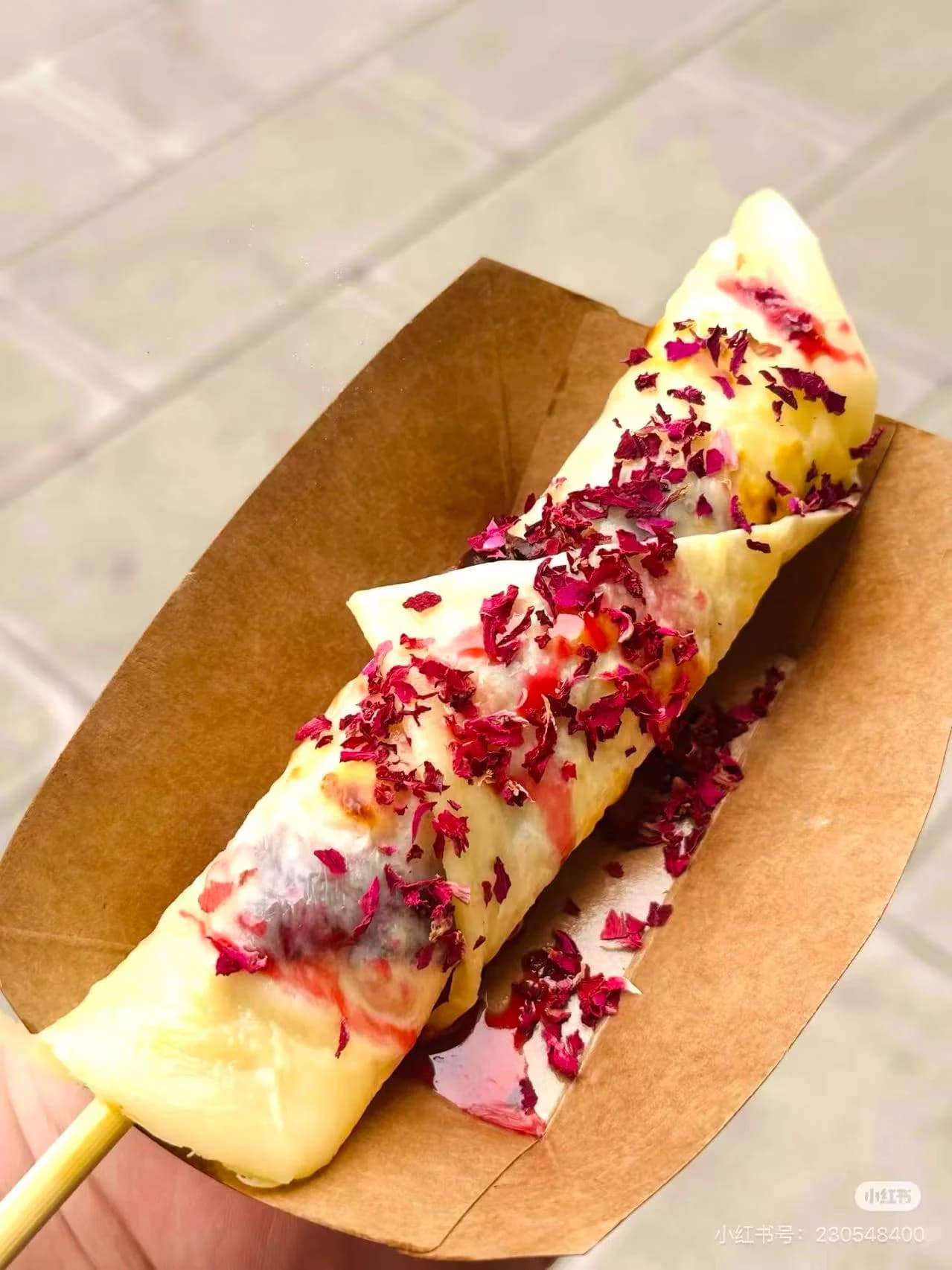
By 7:30 AM, the pastry stalls at Xizhou's Four Corners Market are already firing up. A vendor slaps layered dough onto the hot griddle, flips it after five minutes, and a golden-brown crust puffs up—the smell of caramelized sugar mixing with scallions. ¥10 per pastry, sweet or savory, eaten standing right there. Next to this, someone threads a milk-white sheet of curdled dairy onto a bamboo stick and holds it over the charcoal fire until it's soft, then brushes it with rose sauce and rolls it up. ¥6. These two things exist nowhere else in China because they belong to the Bai, a distinct ethnic group.
Dali's food does not fit into China's eight major regional cuisines. The Bai have their own food system: more dairy products than any Han Chinese regional cuisine (dairy sheets are proof), lake fish from Erhai are the protein base, sour-sweet-spicy balance matters equally, and the ingredient list includes rose flowers, wild mushrooms, and a dozen plants with names you won't recognize. The cooking style reflects the geography—mountains provide foraged ingredients, the lake provides fish, and local dairy production supplies milk and cream in ways you won't find elsewhere in China. For foreign visitors, Bai cuisine has one of the lowest entry barriers—not dangerously spicy, seasoning is gentle, ingredients are recognizable. One dish is a genuine challenge; that comes later.
What This Actually Is
Eating in Dali isn't about sitting down at a restaurant and ordering from a menu. The better way is to spend half a day walking and eating—early morning at the market or Xizhou village, sampling as you walk, then a proper midday lunch at a local restaurant with sour-spicy fish, then an afternoon bowl of cold chicken noodles from a street stall. Dali's food is scattered across markets, street corners, small shops, and villages; it doesn't concentrate in one place. Tourists often miss the real food because they stay on the main commercial streets. You find the best version by moving around, and the local aunties will usually recognize that you're making an effort to eat properly rather than just passing through. This walking-and-eating approach also manages portion sizes naturally—individual dishes are small, but you hit maybe eight different foods over the course of a morning, so you end up very satisfied without feeling stuffed.
Is It Worth It
If you're curious about food, Dali has more interesting eating than most Chinese tourist cities. The reason is straightforward: Bai cuisine looks completely different from Han cuisine. Dairy sheets, Xizhou pastries, three-course tea—none of these exist in Beijing, Shanghai, or Chengdu. And the price is almost nothing: ¥50–80 covers a morning of eating your way through markets and streets.
If food isn't a priority and you just need to eat, the People's Road in the old city has random options that won't disappoint you. Fine either way.
The Real Experience
Must-Try List
Xizhou Pastry (¥10 each)
Traditional Bai layered pastry, fried on charcoal grills. Sweet version has brown sugar and rose sauce inside; savory version has scallions and ground pork. The outside is crispy, inside stays soft. The real deal is at Xizhou's Four Corners Market—this pastry comes from Xizhou. You can buy versions in the old city, but the heat control and dough feel noticeably drop off.
Dairy Sheet (¥6–10)
Dali's most recognizable food. Fresh milk curdled with sour water, pulled thin into a sheet, then dried. Street-food style: thread it on a bamboo stick, hold it over charcoal until soft, brush with rose sauce or dust with sugar. The taste sits between cheese and a thin pancake; foreign visitors accept it easily. Yang's Dairy Sheet (杨记乳扇) near the Fuxing Road entrance in the old city is the established shop.
Cold Chicken Noodles (¥8–15)
Dali's cold noodle version. Shredded poached chicken piled on rice noodles, dressed with sour plum vinegar and chili oil. Mix and eat. Summer standard lunch. Back Again (再回首) on People's Road is the place locals accept; it's a Hui family operation and has been around forever.
Sour-Spicy Fish (¥40–80 per serving)
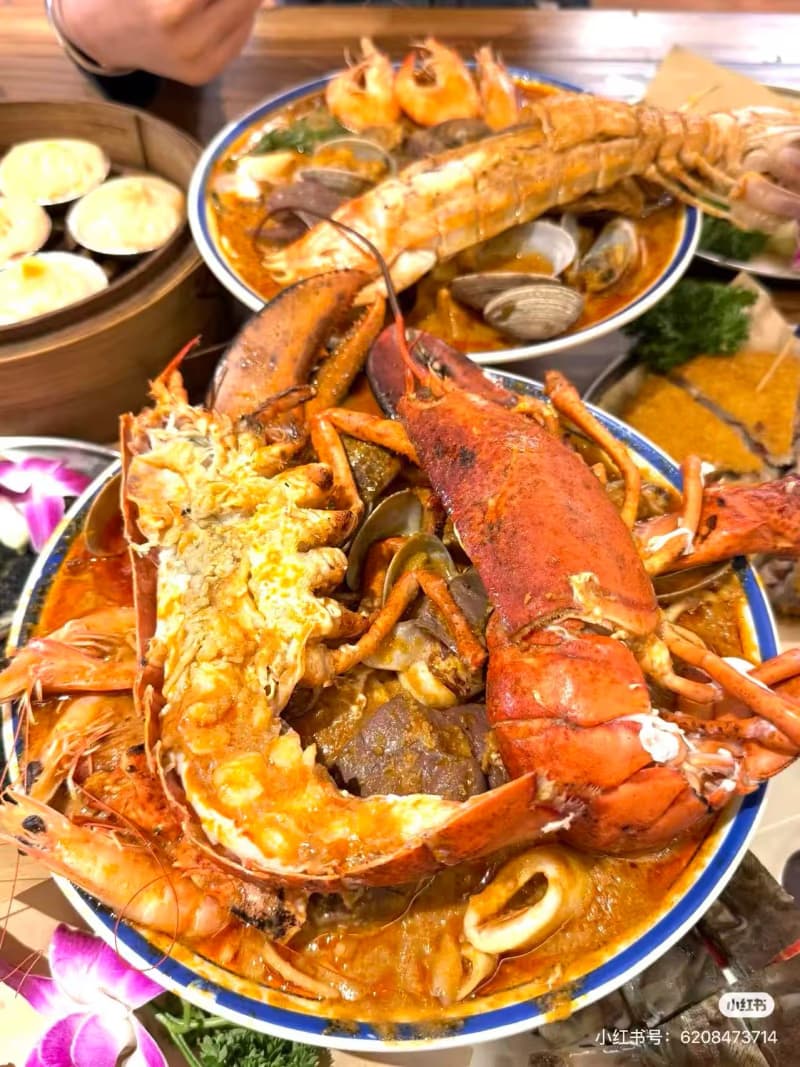
Erhai carp cooked in a sour-spicy broth made with papaya, unripe plums, and chili—slow-cooked in a clay stove over open flame for hours. The broth flavor develops in layers: sour hits first, spice comes after, then sweetness follows. The fish itself is incredibly tender from the long cook. This is Bai cuisine's most representative main dish and arguably the meal you should prioritize. It's harder to find a bad version than a good one, because the cooking method masks mistakes. Guo's Shashe Fish House (郭氏沙坝鱼庄) on the middle section of People's Road (¥79–95 per person) and Bai Family House (白族人家) on Bo'ai Road (¥76 per person) both execute it well. Pair with rice and a local beer (¥5–8); this is Dali's best value meal.
Rice Cake / Rice Noodle Cake (¥3–5)
Rice formed into a cake or strip. Charcoal-grilled rice cake is most common—grill until both sides puff up, roll it around a fried dough stick, brush with sauce. It's Dali's daily breakfast, available everywhere in the old city.
Three-Course Tea (approximately ¥30–50)
A Bai hospitality ritual designated as national intangible cultural heritage. Three cups represent bitter, sweet, and the aftertaste—first cup is pure bitter tea, second cup adds walnuts and brown sugar, third adds Sichuan pepper and ginger. In traditional Bai households, this ceremony accompanies important conversations or guest arrivals. The ritual has more symbolic weight than taste experience, but trying it once is worth it for understanding how the Bai frame food as communication rather than just sustenance. Yan Family Courtyard (严家大院) in Xizhou has dedicated three-course tea performances with English explanations.
Challenge Level: Raw Pork Skin
Traditional Bai preparation that requires real decision-making. Pig skin is briefly torched with straw until golden-brown and partially cooked, then sliced thin, and dipped in sauce (sour plum vinegar, Sichuan pepper, garlic). The Bai call it "heige," which means "raw meat."
For Western visitors, the direct challenge: this is partially raw pork. The flavor is acceptable though—pork skin is chewy, and the sauce's sour-spicy profile masks the meat taste. It's less about "raw meat" panic and more about what "cooked" means in different food cultures. Food safety matters though: only try this at established Bai restaurants with good hygiene and lots of customers; skip it at street stalls or places that look questionable. Not trying this won't ruin your Dali food experience—most visitors skip it without regret. If you try it at a proper restaurant, you'll probably find it's less shocking than you expected.
How to Do It
Suggested Routes
Option A: Xizhou Half-Day Food Walk (Recommended)
- Leave the old city at 6:30 AM; taxi or electric bike to Xizhou (30–40 minutes)
- Arrive at Four Corners Market by 7:00 AM; first walk the morning market—watch Bai women selling vegetables, buy dried mushrooms and spices
- Start eating by 7:30 AM: pastry → dairy sheet → rice cake
- 8:30 AM: walk through Bai courtyard mansions, try three-course tea
- 10:00 AM: return to old city, save your appetite for lunch
Option B: Old City All-Day Grazing
- Breakfast: North Gate Market (arrive before 8 AM; follow the aunties carrying baskets)
- Morning: Fuxing Road → People's Road, walk and snack—dairy sheet, rice cake, small bites
- Lunch: find a Bai restaurant on People's Road, order sour-spicy fish with cold chicken noodles
- Afternoon: Erhai Food Street, a 500-meter pedestrian lane
Huguo Road (the Foreign Quarter)
English menus available, ordering is straightforward, but prices are markedly higher and food skews toward tourist tastes. If language stress is too high, this is a backup option.
Common Mistakes
- Eating Xizhou pastry anywhere but Xizhou — The old city versions aren't as good; the heat control and dough hand-feel are clearly different
- Going to the market after 10 AM — Best window is before 8 AM; stalls begin packing up past 10
- Not carrying cash — Older market stalls may take cash only; bring ¥100 in small bills
- Raw pork skin without judgment — Real food safety risk; only try at established restaurants, not street stalls
- Eating dinner on Huguo Road — Convenient, but the price-to-quality ratio is poor; People's Road and Bo'ai Road have better options
Before You Go Checklist
- [ ] Alipay or WeChat Pay set up + carry ¥100 in cash
- [ ] Download a translation app with photo translation (Google Translate photo mode works)
- [ ] If you have food allergies, prepare a Chinese note: "I am allergic to ___"
- [ ] Go hungry—portions are small per item, but add up fast
- [ ] If you're going to Xizhou: arrange transport in advance (taxi or electric bike rental)
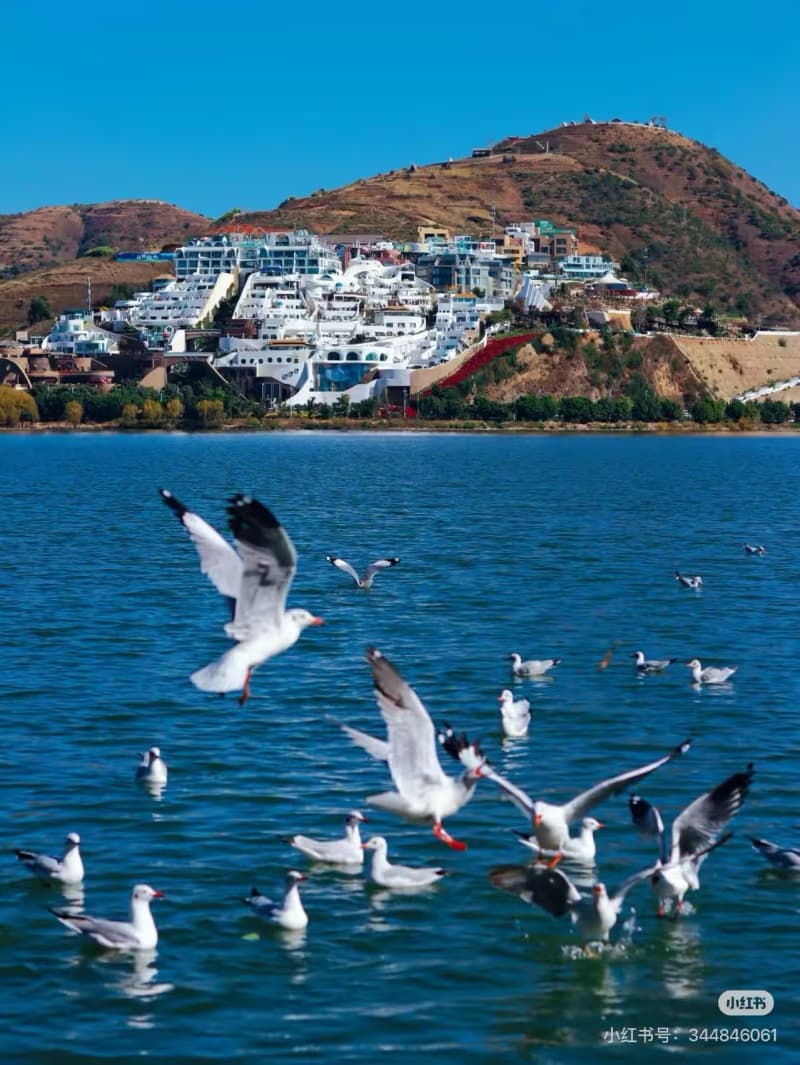
Bai cuisine never shows up on "must-eat in China" lists because it only exists here—only Dali has the real thing. Dairy sheets, Xizhou pastries, sour-spicy fish—they only taste right in the space between the Cangshan Mountains and Erhai Lake. On a ¥50–80 budget and half a day, you can eat through a thousand years of what the Bai people have cooked.